


The Song as a Soundbite
Before we can talk about the festival set, we have to talk about the song itself. The TikTok-era hit is a different beast. Where songs once built verses to arrive at a chorus, many are now engineered for instant impact. The goal is to create a moment
so catchy, so meme-able, that it can be looped endlessly in short-form videos. Think of a track with a dramatic beat drop, a quirky lyric, or a ridiculously infectious chorus that hits within the first 20 seconds. This structure rewards instant gratification, conditioning listeners to hunt for the peak moment rather than absorb a three-minute narrative. This has fundamentally changed music discovery, turning songs into bite-sized cultural objects before they're ever heard in full.
The Lost Art of the Slow Burn
A traditional festival set was an exercise in storytelling and pacing. Artists would craft a journey, opening with a bang, settling into a groove with fan-favorite album cuts, creating intimate moments with slower tracks, and building toward a massive, cathartic finale. This structure was designed for an audience familiar with entire albums, not just singles. It assumed a shared patience and a willingness to follow the artist's lead. Those mid-set deep cuts weren't filler; they were the connective tissue that gave the hits their power. They provided the valleys that made the peaks feel so high, creating a collective experience that unfolded over 60 to 90 minutes. That shared journey was the point.
The Setlist as a Viral Highlight Reel
Today, that slow burn is a commercial risk, especially at a festival where attention spans are short and competition is fierce. Artists now face pressure to deliver a set that feels less like a narrative arc and more like a relentless highlight reel. Many sets are front-loaded with recognizable hooks to grab the crowd immediately. You might hear medleys of viral hits, with artists playing just the famous chorus before transitioning to the next big moment. The priority is immediacy. There can be no dead air. This approach caters to a crowd that may only know an artist from a handful of 15-second clips and has a limited attention span. The result is a performance built from a series of explosive peaks, designed to hold the interest of an audience accustomed to scrolling.
The Audience as Content Creators
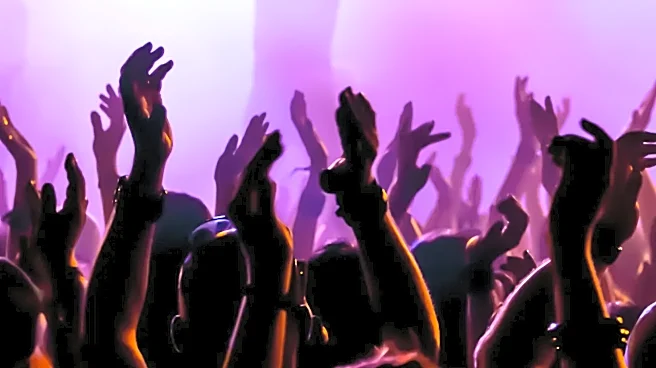
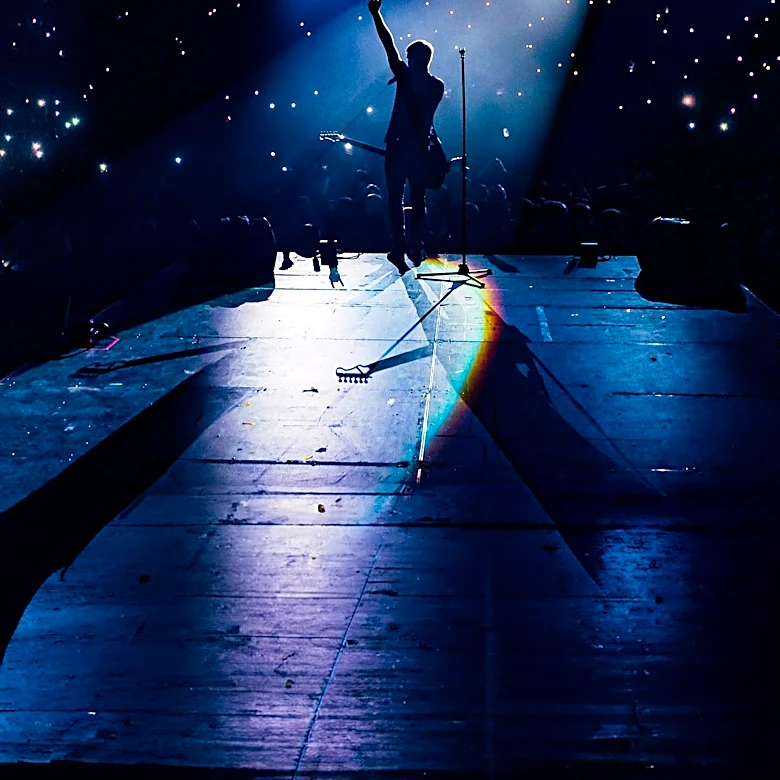
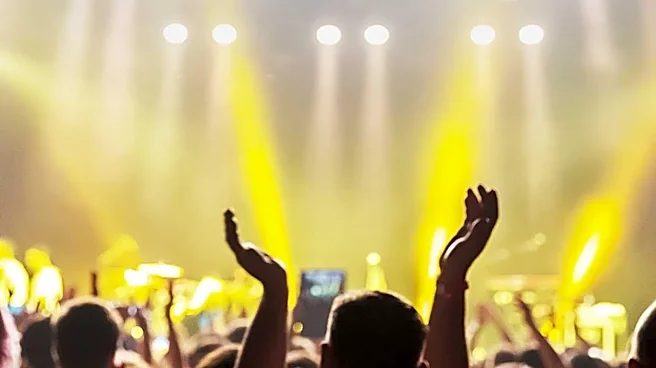
The dynamic between the performer and the crowd has also shifted. A sea of phones at a concert is nothing new, but the purpose has changed. It’s no longer just about capturing a memory; it’s about participating in the viral lifecycle of the music. The audience is there not just to watch the show, but to create their own content from it. This creates an expectation for performers to deliver moments specifically designed to be captured and shared. Surprise guests, unique cover songs, or choreographed bits that reference online trends are now practically part of the show. These moments serve a dual purpose: they entertain the live audience while providing ready-made viral fodder for the digital audience at home, effectively turning the concert into a content-creation event.
The Artist's Dilemma
This new landscape presents artists with a difficult choice. Do they adapt their sets to cater to the TikTok algorithm and the scrolling-addled minds of the crowd? Or do they risk losing engagement by sticking to a more traditional, album-focused performance? For rising artists, especially those who blew up on the platform, the pressure is immense. Their booking at the festival may have even been influenced by their TikTok reach. For established acts, it's a balancing act between servicing their legacy fans and remaining relevant to a new generation. Some artists have embraced it, cleverly weaving viral moments into their shows, while others seem to be struggling with crowds who grow restless during any song that isn't a certified TikTok hit.