







The Birthday Party We Can’t Agree On
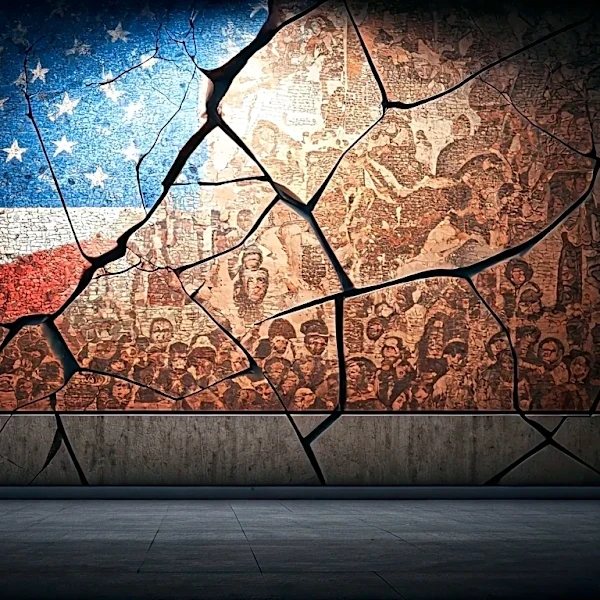
The United States Semiquincentennial is not one celebration, but two competing visions unfolding in real time. On one side is America250, the official nonpartisan commission created by Congress back in 2016. Its stated mission is to facilitate a commemoration
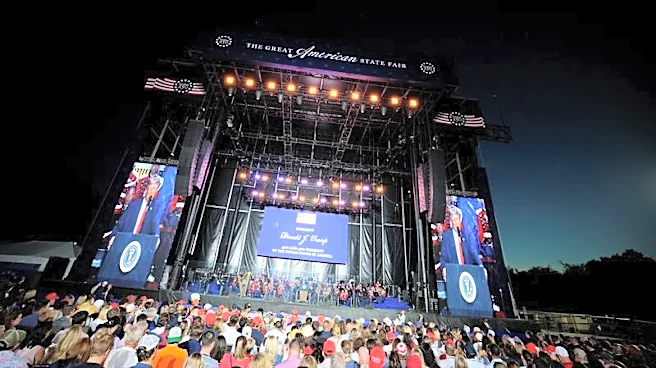
that encourages reflection, service, and an inclusive look at the nation's past. On the other side is Freedom 250, a parallel entity established by the Trump administration in 2025. This has created a deeply fractured and politicized landscape. While America250 plans for shared experiences and community service, Freedom 250 has organized its own slate of events, leading to public confusion and accusations that the anniversary has been hijacked for political purposes. This division has turned the national birthday party into a battleground over American identity itself.
The Push for a Patriotic Reboot
The headline of the piece hints at a specific outcome: turning founders into figures of 'fandom.' This is the implicit goal of the more nationalist-tinged celebrations. The Freedom 250 initiative aims to “inspire a renewed love for American history” through events like a proposed National Garden of American Heroes and “Freedom Trucks” serving as mobile museums telling the story of the nation's founding. This approach seeks to reaffirm a heroic narrative, positioning the founders as icons to be revered, much like fans revere cultural figures. By focusing on exceptionalism and simplifying complex histories, this wing of the 250th anniversary hopes to counter recent trends of historical reappraisal and instill a more celebratory, less critical form of patriotism. It’s an effort to make Americans fans of the founders, not just students of their work.
A Complicated Public Opinion
But are Americans looking for a simpler story? Recent polling suggests a far more complex relationship with the nation's origins. A July 2026 poll found that while two-thirds of Americans view the founders as courageous leaders, a staggering 77% also believe those same founders would be disappointed with the state of the country today. There’s a widespread feeling that America has strayed from its founding principles. This disconnect is even sharper among younger generations, who are significantly more likely to hold a critical view of the founders than their parents and grandparents. Most Americans seem to hold two ideas at once: they respect the founders' achievements but are deeply unsettled by the current reality. This complicates any effort to create a simple, celebratory “fandom,” suggesting the public mood is more reflective and critical than organizers of a purely patriotic reboot might hope.
History as an Open Conversation
The original America250 commission offers a different path. Instead of focusing on generating fandom, its programming leans toward education, service, and telling the “rich tapestry” of all American stories. In partnership with organizations like the Daughters of the American Revolution, it aims to honor patriots while also supporting efforts to tell the stories of underrepresented figures from the era. Initiatives like “America Gives,” designed to make 2026 a record year for volunteer service, attempt to translate historical ideals into present-day action. This approach frames the anniversary not as a final verdict on history, but as the start of a conversation. It invites Americans to engage with the complexities and contradictions of the founding—the ideals of liberty alongside the realities of slavery and conquest—and to consider what those founding principles mean for the nation now.