



The Dress Code Conundrum
First, let's talk rules. Royal Ascot, particularly within the prestigious Royal Enclosure, has a famously exacting dress code. For women, this often involves rules around shoulder straps. While regulations have relaxed slightly over the years, many elegant
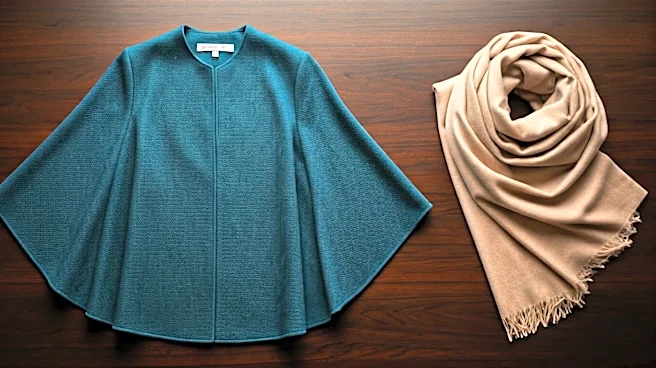
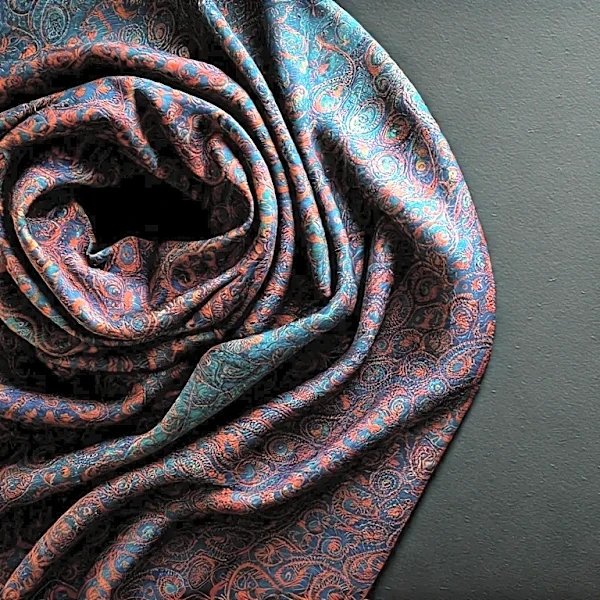
dresses feature spaghetti straps, bardot necklines, or other styles that require a 'jacket or pashmina' to be deemed appropriate. This isn't just a suggestion; it’s a mandate. As a result, your choice of covering isn't merely an accessory for warmth; it's an integral, and often required, part of your outfit. For decades, the default solution has been the pashmina or shawl—a simple, elegant swathe of fabric to be draped artfully over the shoulders. It’s a classic for a reason, but it’s not without its flaws.
The Problem With the Pashmina
Picture the scene: you’ve finally secured a glass of Pimm's, you're trying to read the racecard, and a gust of British summer wind decides your beautiful silk shawl would look better on the floor. The classic shawl, for all its grace, is a fidgety companion. It slips. It slides. It requires constant readjustment. Holding a clutch, a drink, and greeting a friend becomes a masterclass in juggling as you try to keep the fabric from bunching unattractively or falling off completely. When you want to take a photo, one hand is invariably occupied clutching your shawl in place. It’s an accessory that demands your attention, pulling focus from the actual experience of being at one of the world's most glamorous sporting events.
Enter the Hands-Free Capelet
This is where the capelet proves its intelligence. Unlike a shawl, which is a loose piece of fabric, a capelet is a structured garment. It’s a sleeveless cloak, cut to sit perfectly on the shoulders and fasten, usually at the neck. Once it's on, it stays on. There is no slipping, no sliding, and no frantic grabbing. Your hands are completely free. You can gesture emphatically while discussing a longshot bet, hold your binoculars to your eyes without a cascade of fabric getting in the way, and navigate the crowded lawns with effortless poise. It provides the required coverage for the dress code without demanding constant management. In a social setting that requires mobility and interaction, this freedom is not a small luxury—it’s a game-changer.
A Statement in Structure
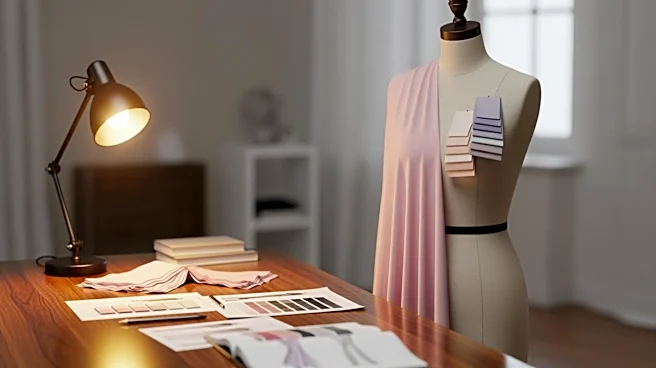
Beyond sheer practicality, the capelet offers a distinct stylistic advantage. While a shawl softens a silhouette, a capelet adds architectural interest. It creates a clean, sharp line across the shoulders that can feel more modern and intentional than a draped piece of cloth. It doesn’t obscure the waist or the cut of the dress beneath it; instead, it frames the upper body. Designers have embraced this, offering capelets that are fully integrated into dresses or sold as perfectly matched companions. From a sharp, tailored crepe capelet that evokes a powerful, commanding presence to a delicate, sheer one embroidered with florals, the options provide more personality than a simple pashmina. It transforms the need for a cover-up from a sartorial obligation into a deliberate style statement.
An All-Weather Ally
Finally, there’s the weather. Ascot in June can mean brilliant sunshine one moment and a chilly breeze the next. A lightweight wool or cashmere shawl offers warmth, but it can feel bulky to carry if the sun comes out. A silk shawl offers little protection from a genuine chill. A capelet, however, can be found in a variety of fabrics to suit the forecast. A fine, unlined lace or organza capelet provides dress-code compliance without adding heat on a warm day. Conversely, a structured wool-crepe capelet offers genuine warmth against the wind, acting like a miniature coat without the fuss of sleeves. It's a more adaptable and purpose-built solution for the notoriously fickle English climate.