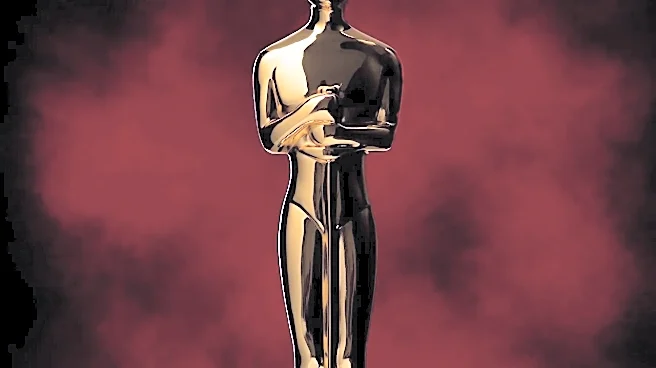






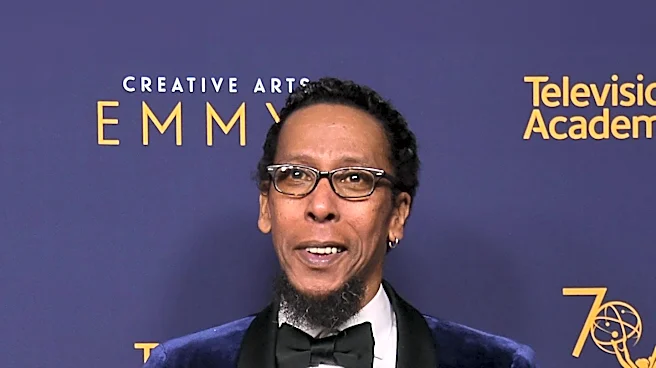
The Reunion vs. The Royal Ball
The fundamental difference in energy starts with the people in the room. The Emmys often feel like a boisterous, slightly chaotic summer camp reunion. Actors, writers, and directors on television shows can spend years working together, forging tight-knit
bonds over 22-episode seasons and grueling production schedules. When they gather for the Emmys, it’s a genuine chance to reconnect with colleagues who have become a second family. This creates a looser, more collegial atmosphere where inside jokes land and the celebration feels shared across rival shows. The Oscars, by contrast, feel more like a royal ball. Film production is a transient state; a cast and crew come together for a few intense months and then disperse. The Academy Awards, therefore, aren't a reunion of work families but a gathering of individual titans from separate, completed projects. The stakes feel higher and more individualistic, lending the night a more formal, almost reverent, and certainly more tense, atmosphere.
Celebrating the Novel vs. the Short Story
The art forms themselves dictate the energy. Television is a marathon. It’s the art of the long-form novel, with character arcs that unfold over dozens, sometimes hundreds, of hours. An Emmy award often recognizes a fraction of a much larger, ongoing performance. This serialized nature lowers the temperature of any single award; there's always next season. Film is a sprint. It’s a self-contained short story, a two-hour burst of concentrated narrative designed to deliver a complete experience. An Oscar honors a singular, finite achievement. The performance is done, the story is over. This finality makes each nomination feel more monumental and the wins more like a definitive career coronation. You can’t get nominated next year for the same role, a rarity at the Oscars but a common occurrence at the Emmys.
The Sheer Volume of It All
Another key factor is simple math. The Academy Awards hands out trophies in just over 20 categories during its main broadcast. Every single one feels momentous. The Emmy Awards, on the other hand, are a sprawling affair. The Television Academy gives out well over 100 awards, with the vast majority presented at the Creative Arts Emmys ceremonies in the days before the main telecast. This sheer volume democratizes the act of winning. With so many categories, from stunt coordination to hairstyling to guest actor, hundreds of people get to call themselves "Emmy winner." While this might slightly dilute the prestige compared to the rarer Oscar, it also infuses the entire Emmy season with a more celebratory and less cutthroat vibe. More people are there to celebrate a win rather than anxiously await a potential loss.
A Different Appetite for Risk
This difference in tone is most visible in the broadcasts themselves. The Emmys have historically been more willing to experiment with hosts, comedy, and unexpected moments. There's a self-deprecating quality to the proceedings, a sense that television, despite its cultural dominance, doesn't take itself with the same deadly seriousness as capital-C Cinema. The Oscars, weighed down by nearly a century of history and its status as the definitive global entertainment award, often feels more cautious. The humor is frequently safer, the production more polished, and the moments of genuine spontaneity are fewer and farther between. While both shows face dwindling broadcast viewership, the Emmys' slightly scrappier, more television-native DNA gives it a flexibility and playfulness that the more august Academy Awards struggle to replicate.