







Welcome to the Westerosi Bar Association
Forget trial by combat. The real courtroom in Westeros is the Small Council chamber. Each meeting is a high-stakes legal proceeding where the case being argued is the future of the Seven Kingdoms. The king or queen acts as the judge, but they’re often
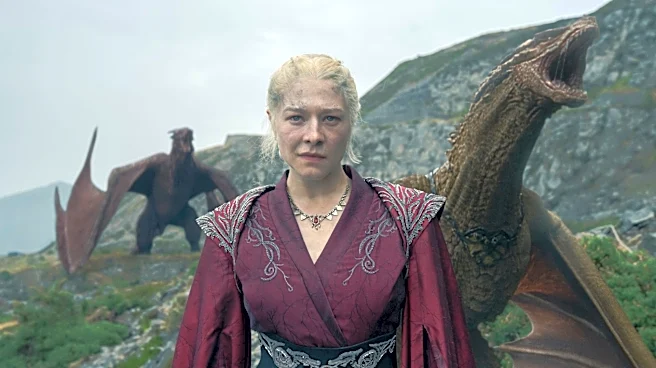
just the most powerful person in a room full of sharks. The other members are a mix of prosecuting attorneys, defense lawyers, and expert witnesses, all presenting their version of the facts to sway the verdict. Think of Otto Hightower in *House of the Dragon*, methodically building his case against Rhaenyra’s succession over years, planting seeds of doubt that he hopes will one day yield a legal (or at least justifiable) coup. Or consider Ned Stark in *Game of Thrones*, arriving in King’s Landing like an out-of-town lawyer who drastically underestimates the corrupt local judiciary. These scenes aren’t just exposition dumps; they are arguments in motion. Every agenda item is a motion filed, every whisper a sidebar, and every royal decree a binding judgment that sets a new precedent.
Dialogue as Cross-Examination
In a legal thriller, the most electric moments come from a sharp cross-examination that exposes a lie or reveals a hidden motive. The same is true around the council table. The dialogue, penned with surgical precision, is the main event. Characters don't just speak; they parry, thrust, and deflect. A seemingly innocent question from Lord Varys is actually a subtle probe for weakness. A dry observation from Tywin Lannister is a death sentence wrapped in administrative language. Fans rewatch these scenes with the intensity of a law student studying case files because every word matters. Subtext is everything. When Viserys Targaryen asks, “Who is it that is truly being served?” he’s not just asking a question; he’s challenging the entire council’s legitimacy. When Lord Corlys Velaryon recounts his own naval victories while discussing a new threat, he’s reminding everyone of his value and, implicitly, the consequences of ignoring him. It’s a masterclass in passive aggression, where saying what you mean is a sign of weakness and the real conversation happens between the lines. This verbal sparring is the show’s most intricate form of combat.
The Power of a Single Glance
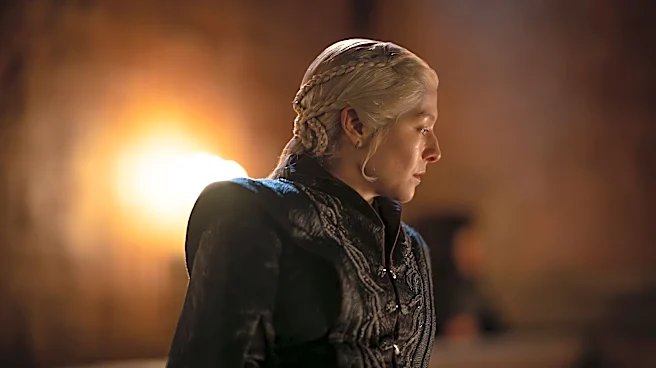
If the dialogue is the script, the performances are the closing arguments. The actors in these scenes deliver powerhouse performances often through sheer stillness. A rewatch allows you to focus not on who is speaking, but on who is listening. The slight tightening of Tywin Lannister’s jaw as he hears of Robb Stark’s latest victory. The flicker of panic in Grand Maester Mellos’s eyes when Otto Hightower corners him. Or, most famously, Paddy Considine’s portrayal of King Viserys, where every labored breath and pained grimace tells a story of a man trying to hold his family and kingdom together with sheer willpower. These non-verbal cues are the “tells” that a great lawyer—or a poker player—looks for. Is that advisor being truthful? Is this ally about to betray me? The camera often lingers on these reactions, inviting the audience to act as a jury, weighing the credibility of each speaker. A character’s silence can be more damning than another’s tirade. On a second or third viewing, you’re no longer just following the plot; you’re studying human behavior under immense pressure.
History Itself Is Precedent
Finally, the reason these scenes have such infinite replay value is their deep connection to the lore. Every decision made in the Small Council chamber doesn't happen in a vacuum. It’s built on decades, sometimes centuries, of established history, grudges, and alliances. It’s the Westerosi equivalent of legal precedent. When the council debates the Stepstones succession in *House of the Dragon*, they are implicitly referencing the laws of inheritance that have governed Westeros for generations—laws that will become the central conflict of the entire show. When Tyrion Lannister spars with his sister Cersei, their every exchange is weighted by a lifetime of familial animosity. This narrative density rewards the attentive viewer. The more you know about the world, the more you understand the true stakes of what’s being said. Each rewatch uncovers a new layer, a new connection, or a new piece of foreshadowing that makes the entire political tragedy feel both inevitable and brilliantly constructed.