



First, Know Your Concentrations
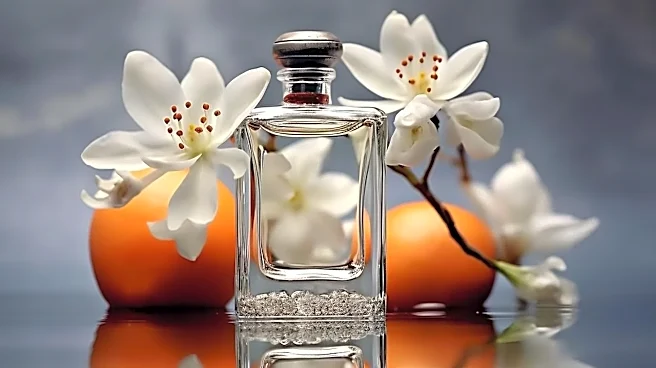
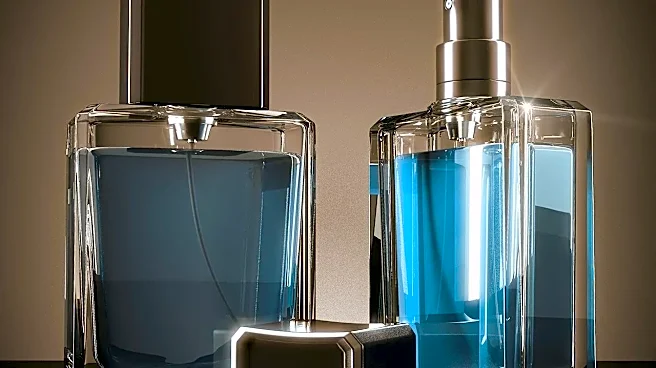
Before we get to personal factors, the first variable is the fragrance itself. Those little letters—EDP, EDT—aren't just for show; they signify the concentration of pure perfume oil in the formula, which directly impacts intensity and longevity. At the top
is Parfum (or Extrait de Parfum), the most potent form, with 20-30% oil, lasting 8-12 hours or more. Next is Eau de Parfum (EDP), the industry standard, containing 15-20% oil for a solid 6-8 hours of wear. Eau de Toilette (EDT) is lighter, with 5-15% oil, making it ideal for daily wear with a lifespan of about 3-5 hours. Finally, Eau de Cologne (EDC) is the lightest, with just 2-4% oil, offering a brief, refreshing scent for 2-3 hours. While a higher concentration generally means a longer-lasting scent, it doesn't explain why the smell itself changes from person to person.
The X-Factor: Your Unique Body Chemistry
The real magic—or frustration—happens when perfume meets skin. A fragrance doesn't just sit on you; it interacts with you. Your skin's unique combination of oils, pH levels, and natural scent creates a new, blended profile the moment you spray. Think of your skin as the final, unlisted ingredient in every perfume you wear. This interaction is why a scent can smell soft and floral on one person but bold and spicy on another. It's not a matter of opinion; it's a matter of molecular science. Several key personal factors are at play.
Your Skin Type: Oily vs. Dry
One of the biggest differentiators is your skin type. Oily skin, which produces more natural sebum, tends to hold onto fragrance molecules, making scents last longer and sometimes amplifying them. If you have oily skin, you might find that even a light EDT projects strongly. Conversely, dry skin lacks the natural oils to anchor a scent, causing it to evaporate more quickly. People with dry skin may find their perfume fades within a few hours and will benefit from moisturizing before application. An unscented lotion can create a hydrated base for the fragrance to cling to, dramatically improving its performance.
Diet, Hormones, and pH Balance
What’s happening inside your body also has a major impact. Your skin’s pH balance, which is naturally slightly acidic, can alter how fragrance notes develop. A more acidic surface can make scents sharper, while a more alkaline one might cause them to fade faster. Your diet plays a direct role here. Foods rich in spices, garlic, or onions can release sulfur-like compounds through your pores, subtly changing your base body odor and affecting the perfume on top. Similarly, a diet high in red meat can create a warmer, more intense scent profile, while a plant-based diet often results in a lighter, cleaner canvas for fragrance. Hormonal fluctuations, such as those during a menstrual cycle or pregnancy, can also change your skin's chemistry and even heighten your sensitivity to smell.
Your Natural Body Heat
Finally, your body temperature acts as a natural diffuser. Fragrance molecules are activated by heat, which is why applying perfume to pulse points—like the wrists, neck, and inner elbows—is so effective. These areas are warmer because blood vessels are closer to the skin, and the consistent heat helps the scent bloom and project throughout the day. Someone with a naturally higher body temperature may find that fragrances develop faster and project more powerfully, especially notes like woods, musks, and resins. This is also why a scent might feel vibrant in the summer heat but more subdued during colder winter months.