







A Scar on the National Soul
First, let's revisit the horror. Hosting the World Cup for the first time since 1950, Brazil carried the hopes of 200 million people. But going into the semifinal against Germany, the team was critically wounded. Star forward Neymar was out with a fractured
vertebra. Captain and defensive anchor Thiago Silva was suspended. What followed was a national trauma, the 'Mineirazo,' a term now synonymous with catastrophic defeat. Germany scored four goals in six minutes, leading 5-0 before the 30-minute mark. The final score, 7-1, was Brazil's worst-ever defeat and the largest margin of victory in a World Cup semifinal. It was a collective psychological collapse, leaving players in tears and a country in stunned silence.
Surviving the Semifinal
In our alternate reality, Brazil doesn't get steamrolled. Let's imagine a grittier, more resilient side takes the field. With Silva still suspended, coach Luiz Felipe Scolari opts for not attacking flair but for defensive grit, packing the midfield. The team doesn't play with the same emotional abandon that led to the real-life collapse. Instead of a chaotic, passion-fueled performance, they play with disciplined desperation. They don't dominate Germany, but they don't break. Maybe it's a 0-0 slog that goes to extra time. Perhaps a single, ugly goal scored from a set-piece is the difference. The 'how' doesn't matter as much as the result: Brazil, against the odds, scrapes through to the final, setting up the ultimate showdown.
A Final for the Ages
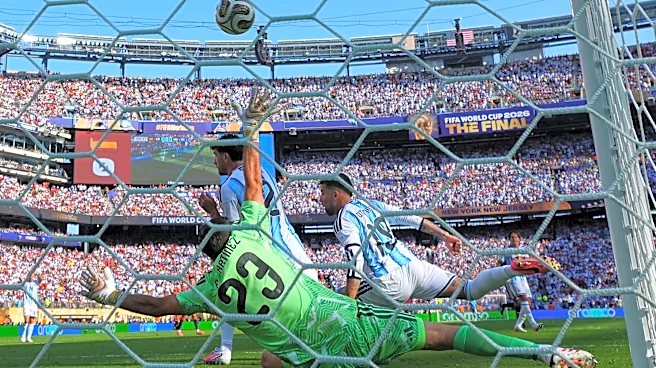
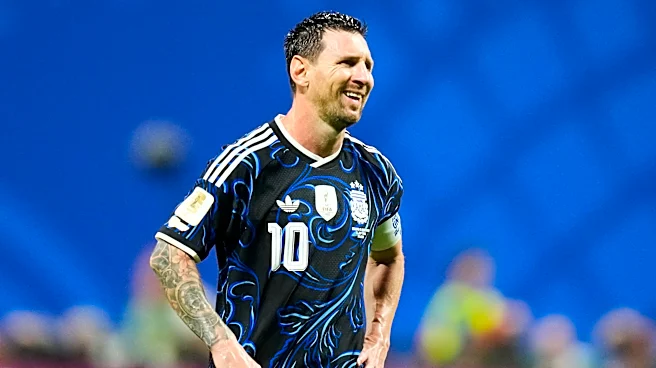
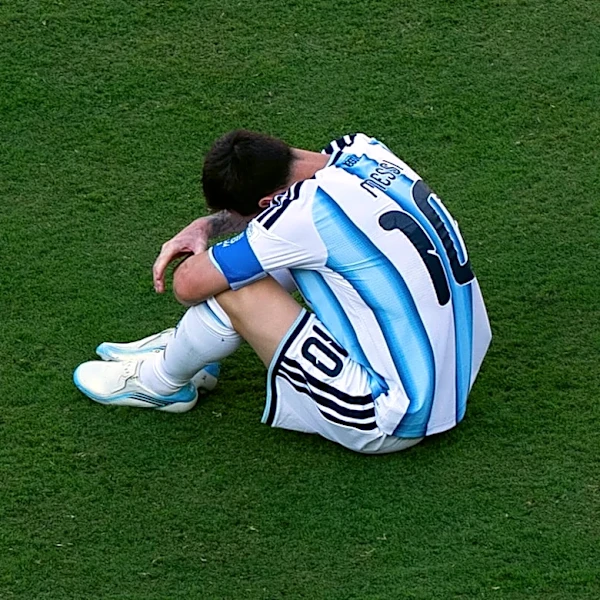
The stage is set: Brazil vs. Argentina. At the Maracanã. It's the matchup soccer gods dream of. South America's two titans battling for the world's biggest prize. The narrative is immense. Lionel Messi, at the peak of his powers, looking to cement his legacy. On the other side, a battered but heroic Brazil, having survived Germany without their two best players, playing for national pride and their injured talisman, Neymar. The pressure would have been astronomical, dwarfing even that of the actual 2014 final. A win would be the most glorious chapter in Brazil's history. A loss, especially to their greatest rivals on home soil, would be a new kind of 'Maracanazo,' a fresh national tragedy to replace the one from 1950.
The Legacy Reset
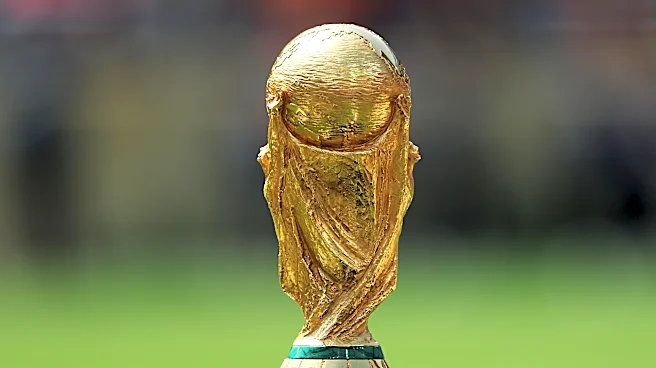
Had Brazil won, the entire trajectory of the next decade changes. A sixth World Cup star would not have just been a trophy; it would have been a validation. The so-called '7-1 generation' of players like David Luiz, Fred, and Júlio César would be immortalized as heroes who overcame adversity, not remembered as the faces of humiliation. Coach Scolari would have retired a legend instead of resigning in shame. Neymar, despite his injury, would be credited as the inspiration, potentially altering his own career path and legacy. Ironically, a victory might have papered over the deep structural cracks in Brazilian football that the 7-1 loss brutally exposed, potentially delaying necessary reforms.
Healing the National Mood
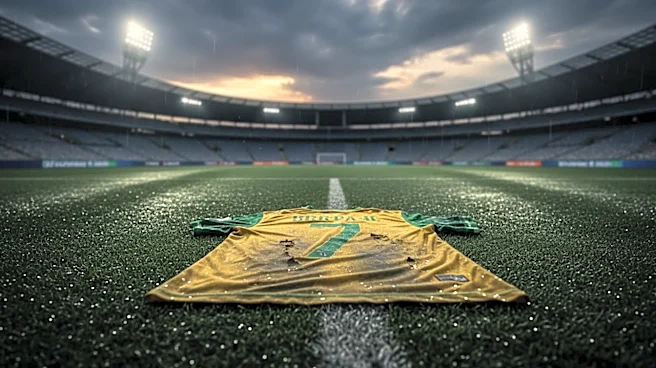
More than tactics or trophies, avoiding the 'Mineirazo' would have changed the very feeling in the country. The 7-1 defeat wasn't just a sporting loss; it was a cultural event that reflected and amplified a period of social and political unease in Brazil. It was a blow to the nation's identity, shattering the myth of Brazilian exceptionalism in the one area they felt they owned. A gritty, hard-fought tournament victory would have been a powerful unifying force. The iconic yellow shirt, which in subsequent years became a politically divisive symbol, might have retained its status as an emblem of pure, unadulterated national joy. The scar would not exist, and the soul of Brazilian football would be whole.