






The Sudden, Deafening Stillness
The first thing that happens is a fundamental shift in the stadium’s sound and focus. For two hours, tens of thousands of people have been tracking the movement of a ball or puck across a massive field of play. Now, that expansive view collapses to a single,
static spot. In soccer, it’s the 12 yards from the penalty spot to the goal line; in hockey, it's the solitary journey from center ice. The roar of the crowd morphs into a tense, humming silence, punctuated by nervous chants or whistles. This sudden sensory deprivation for the players, combined with an intense focal point, is the first step in creating the pressure chamber. The ambient energy that fueled them for hours is gone, replaced by an unnerving quiet that magnifies every internal doubt.
The Player's Lonely Walk
For the designated shooter, the walk from the team huddle at midfield is often described as the loneliest moment in sports. This is where the psychological battle truly begins. Physiologically, the body’s fight-or-flight system kicks into high gear. Heart rate skyrockets, palms sweat, and muscles can tense up—the enemy of the fluid motion required to strike a ball or puck cleanly. Cognitively, a phenomenon known as 'attentional narrowing' occurs. The player’s world shrinks to the ball, the goalie, and the net. This can be helpful, but under extreme pressure, it can also lead to 'paralysis by analysis.' The simple, automatic skill they've practiced hundreds of thousands of time suddenly becomes a complex sequence of conscious thoughts: 'Plant foot here, strike with this part of the boot, don't look at the goalie's stupid dance.' This overthinking is how experts choke.
The Goalkeeper’s Paradox
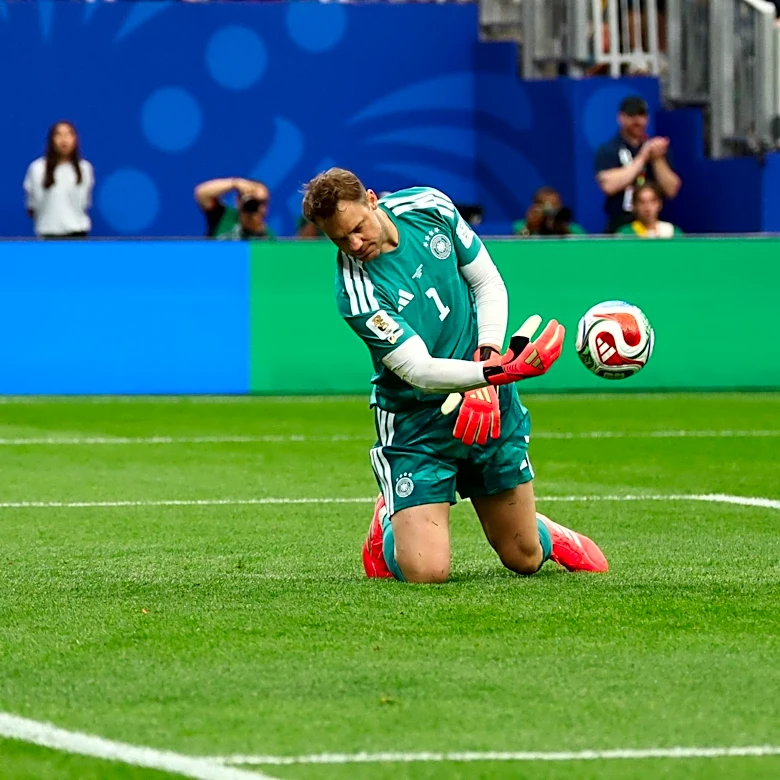
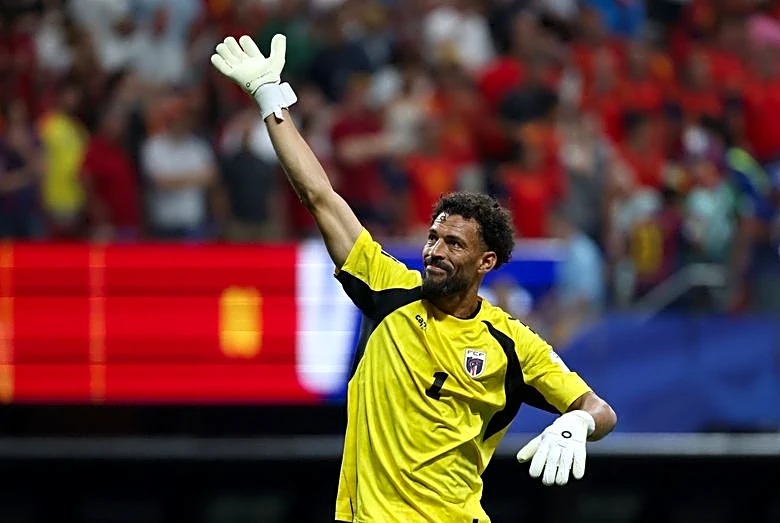
The goalkeeper’s position is a study in contradictions. On one hand, the odds are stacked against them; in soccer, roughly 75% of penalties are successful. No one expects them to save every shot. They are, in theory, playing with house money. Failure is the default outcome. Yet, this is the moment a goalie can single-handedly become a legend. While the shooter battles internal demons, the goalie’s job is to become one. They dance on the line, wave their arms, and try to make the goal look smaller and their presence larger. It's a game of statistical probability and psychological warfare. Do they react to the shot, or guess a side and commit? Guessing increases the chance of a spectacular save but also risks looking foolish if they dive the wrong way. Reacting is safer but often too slow. This split-second mental calculation, made under the world’s gaze, makes their job uniquely stressful.
A Stadium Holding Its Breath
The crowd isn’t just a passive observer; it’s an active participant in the pressure system. The collective anxiety is a palpable force. Every person in the stadium is living the moment with the players, but with total powerlessness. This shared experience creates an incredible amplification loop. When a home player steps up, the supportive roar can feel like a heavy blanket of expectation. When an opponent steps up, the jeers and whistles are a direct assault on their concentration. That energy, whether positive or negative, flows directly onto the field and into the players’ heads. A made shot sends a jolt of ecstatic relief through half the stadium, while a miss triggers a matching wave of despair. The shootout turns 50,000 individuals into a single, bipolar entity, rising and falling with every single kick.