
Craftsmanship Beyond Copying
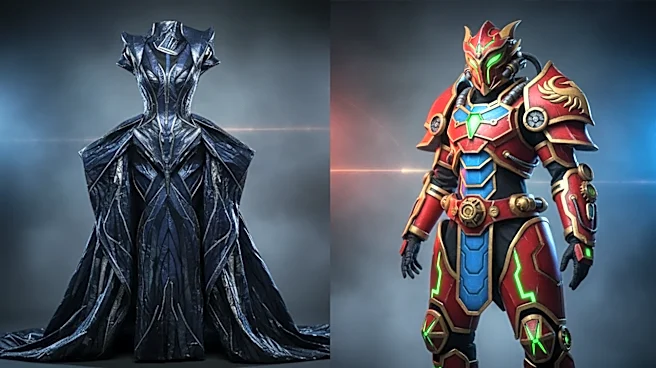
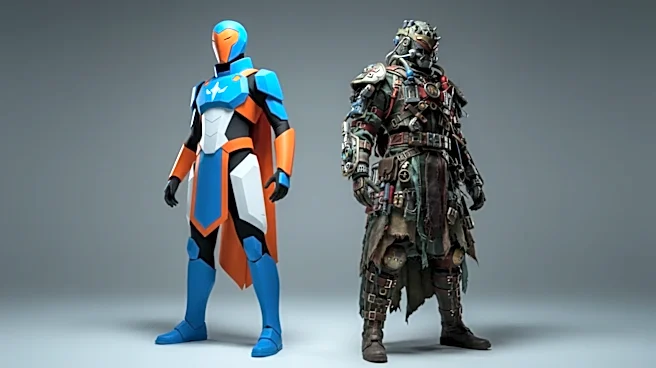
At its highest levels, cosplay is a stunning display of technical skill that rivals bespoke fashion. Far from simply buying costumes off a rack, elite cosplayers are designers, tailors, armorers, and engineers.
They meticulously study 2D character designs and solve the complex problem of how to translate them into wearable 3D art. This process involves a dizzying array of skills, including sewing, pattern-making, foam smithing, 3D printing, wig styling, and even electronics for lighting effects. Cosplay competitions are judged on criteria like construction quality, accuracy, and technical difficulty, rewarding clean seams, intricate details, and durable materials. This intense focus on handmade quality and structural integrity is the same spirit that defines haute couture, where the artistry of construction is just as important as the final look.
A Multi-Billion Dollar Creative Economy
Like any serious industry, cosplay is powered by a significant and growing economy. The global market for cosplay clothing and accessories is valued in the billions of dollars and is projected to continue its expansion. This ecosystem includes material suppliers, tool manufacturers, and e-commerce platforms catering specifically to cosplayers. Furthermore, a class of professional cosplayers has emerged, turning their passion into a career. These individuals are not just hobbyists; they are influencers, brand ambassadors, and small business owners who earn income from convention appearances, custom commissions, and social media content. Figures like Yaya Han and Jessica Nigri have become industry icons, launching their own lines of fabrics, patterns, and crafting materials, effectively operating as creative directors for their own brands. This professionalization and economic weight demonstrates that cosplay is far more than a niche pastime.
The Ultimate Form of Personal Expression
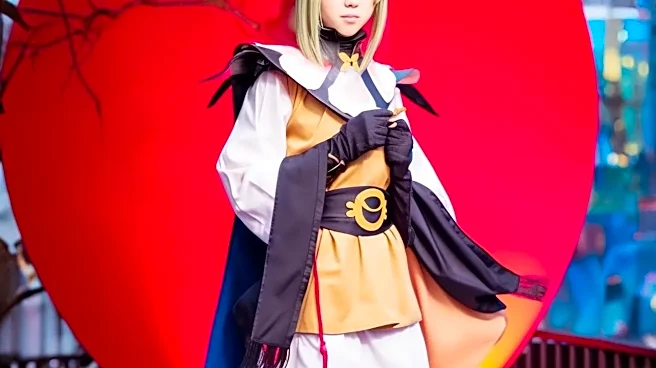
At its core, fashion is about identity. We use clothing to signal who we are, what tribes we belong to, and how we want the world to see us. Cosplay is perhaps one of the most direct and passionate forms of this expression. It allows individuals to physically embody characters they admire, exploring facets of their own identity through a transformative performance. For many, it's a powerful tool for self-discovery and building confidence. This act of choosing a character and dedicating dozens, if not hundreds, of hours to recreating their look is a profound statement of personal passion and identity. It is a wearable love letter to a story or character, making the body a canvas for fandom. This deep, identity-driven motivation is the very engine of fashion itself.
Where Subculture Becomes Mainstream
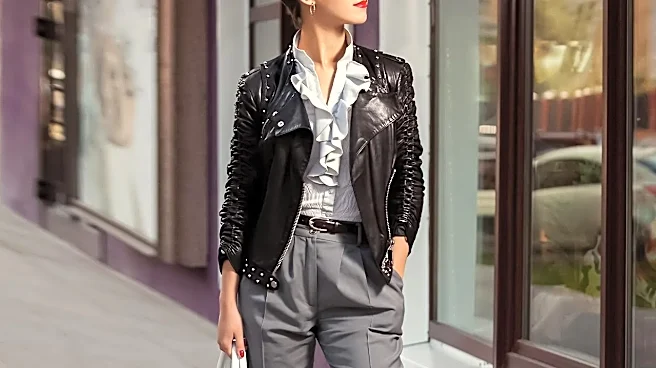
Fashion has always drawn inspiration from subcultures, whether it's punk, goth, or streetwear. Cosplay is a modern extension of this, with its aesthetics slowly seeping into mainstream design. While direct one-to-one copies are rare on the runway, the influence can be seen in the use of dramatic silhouettes, fantasy-inspired elements, and the playful approach to character-driven dressing. More directly, the skills honed in cosplay are now highly sought after in the entertainment industry. Many professional cosplayers have transitioned into careers in film and television, working as specialty costume makers and prop designers for major productions. This talent pipeline proves that the techniques and artistic sensibilities developed within the cosplay community are valuable, transferable, and worthy of professional respect.