










The Blockbuster Paradox: Film Sets vs. VFX
When you see a car chase tearing through a major city on screen, you might assume the filmmakers simply shut down a few streets for a day. The reality is a logistical and financial nightmare. Securing a real-world location involves hefty fees for permits,
police presence for security and traffic control, and paying property owners. Add the costs of transporting a cast and crew of hundreds, including their accommodation and daily expenses, and the bill balloons quickly. This is where digital worlds, or Visual Effects (VFX), present a compelling alternative. While good CGI is far from cheap—requiring teams of skilled artists and massive computing power—it offers control. Instead of wrestling with unpredictable weather, city regulations, and the sheer cost of occupying physical space, a studio can build a photorealistic city block on a server. That digital asset can then be reused, modified, and blown up as many times as the director wants without anyone filing a complaint, making it a more predictable and sometimes more economical choice for ambitious sequences.
The Retail Storefront Showdown
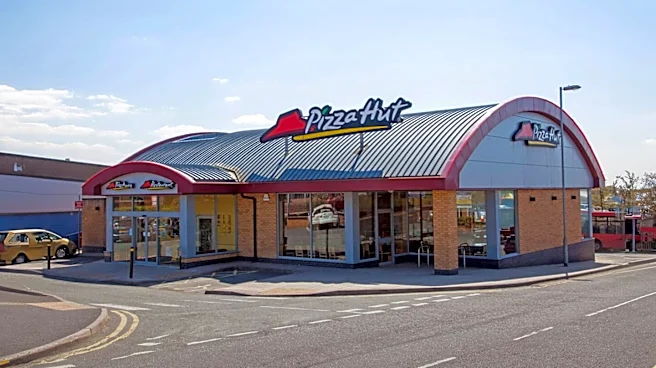
For decades, a prime retail location was the cornerstone of success. But that physical footprint comes with a relentless stream of expenses. Commercial real estate is often a business's second-largest fixed cost after payroll. Beyond the base rent, tenants are frequently on the hook for “hidden” costs like property taxes, insurance, common area maintenance (CAM) charges, and unexpected repairs, which can increase total occupancy expenses by a significant margin. An e-commerce business, by contrast, swaps a physical address for a digital one. Its primary costs include platform fees, digital marketing, and warehousing—which can be located in a low-cost industrial area rather than a high-rent downtown corridor. While online retail is not free, it eliminates the immense financial pressure of maintaining a customer-facing physical space in a prime location. The ability to reach a global audience from a single, inexpensive digital hub gives online stores a powerful economic advantage over their brick-and-mortar counterparts, which are limited to local foot traffic.
The Conference Conundrum
Anyone who has planned a large-scale corporate event knows the single biggest line item is often the venue. Add to that the cost of catering, audiovisual equipment rentals, staffing, and travel and lodging for speakers, and the price can easily run into hundreds of thousands of dollars. These are all costs tied directly to a physical gathering. Virtual events, which gained massive popularity out of necessity, have proven to be a surprisingly cost-effective alternative. They eliminate the need for a venue, catering, and travel entirely. The budget is instead reallocated to a robust digital platform, high-quality production for streaming, and online promotion. While they can't fully replicate the energy of an in-person network, virtual events offer unparalleled reach, scalability, and rich data analytics on attendee engagement. For many organizations, the ability to connect with a global audience for a fraction of the cost makes the digital option a financially prudent choice.
The Hidden Burdens of Physicality
Ultimately, the high cost of real locations boils down to friction and scarcity. Physical assets are subject to a mountain of real-world constraints: regulations, permits, insurance, maintenance, and the simple fact that you can’t just undo a physical change with a line of code. A digital asset, whether a VFX set or an online storefront, is fundamentally more flexible. It can be scaled, modified, or duplicated with relative ease. The cost of physical infrastructure tends to rise over time due to inflation and the scarcity of materials and labor, while digital costs often decrease thanks to technological innovation and economies of scale. A building needs constant upkeep, is vulnerable to physical damage, and is geographically fixed. A digital world is bound only by the processing power and talent available to create and sustain it, making it a powerful tool for managing risk and cost in a complex world.