






The Prestige of Being First
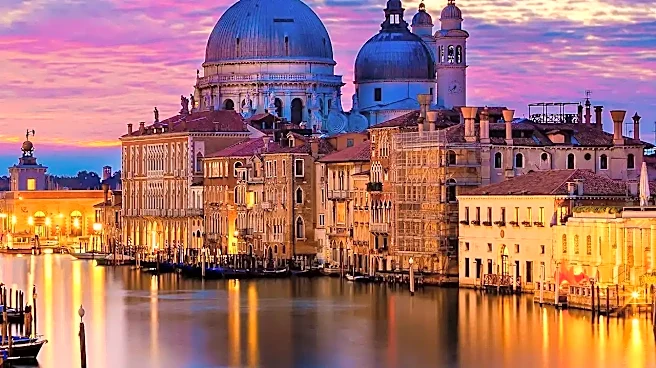
Founded in 1932, the Venice Film Festival is the oldest in the world, a fact that lends it a deep-seated gravitas that newer festivals can't replicate. It’s part of the “Big Three” alongside Cannes and Berlin, but its specific place in the calendar gives
it a unique power. While Cannes, held in May, offers a first look at major international and art-house films, it’s often too early to sustain momentum for the U.S. awards season. Venice, however, kicks off in late August, just as the industry and cultural critics begin to seriously consider the year-end awards contenders. This timing gives it the invaluable advantage of being the first major platform of the fall season, setting the tone before other key festivals in Telluride and Toronto even begin.
The Oscar Launchpad
The festival’s reputation as a kingmaker was cemented over the last decade. Festival director Alberto Barbera points to the 2013 premiere of “Gravity” as a turning point; the film went on to win seven Oscars. Since then, a remarkable number of Best Picture winners have launched their campaigns from the Lido, including “Birdman,” “Spotlight,” “The Shape of Water,” and “Nomadland.” This track record has turned a Venice premiere into a powerful signal of intent. Studios now see the festival as the ideal platform to launch a film they believe has serious awards potential. Recent years saw films like “Joker,” “The Banshees of Inisherin,” and “Poor Things” ride a wave of Venice buzz all the way to Oscar night.
The Psychology of the First Word
The power of Venice isn't just about scheduling; it's about shaping the critical conversation. When a film premieres to a rapturous standing ovation and glowing reviews on the Lido, it creates a powerful narrative that is difficult to change. Critics and journalists arriving at subsequent festivals are already aware of the “Venice buzz.” They are not just watching a film in a vacuum; they are implicitly responding to an established storyline. This phenomenon can create a snowball effect, where positive early reactions build into an unstoppable critical consensus. For a smaller or more challenging film, this can be the difference between being a niche curiosity and a major awards player. It provides the one thing every campaign needs: a story.
A High-Risk, High-Reward Gamble
The first-review advantage is a double-edged sword. Just as a triumphant premiere can launch a film into the stratosphere, a critical flop can be devastating. A film that arrives with high expectations and fails to impress the discerning Venice press corps can find its awards campaign dead on arrival. The narrative is set, but it’s one of disappointment. For instance, a film like “Joker: Folie à Deux” was positioned as a major contender, but its chances reportedly dwindled significantly after a cool reception on the Lido. This makes the decision to premiere in Venice a high-stakes gamble. The potential reward is a head start in the most competitive race in Hollywood, but the risk is creating a negative narrative that can be impossible to shake before the film even reaches a wider audience.