


Let’s Talk About Comfort and Mobility
The primary, undeniable benefit of a pleat is comfort. Those small folds of fabric at the waistband are not just for show; they are designed to expand when you move. Whether you're sitting down for a long meeting, commuting, or simply walking, that extra
fabric gives you more room in the hips and thighs. Flat-front pants, by their very nature, are more restrictive across this area. For anyone with athletic or simply larger thighs, this can lead to pulling and a tight feeling. Pleated trousers solve this by building mobility directly into the design, offering a level of flexibility that a flat-front pant can only achieve with stretch fabrics.
They Create a More Flattering Silhouette
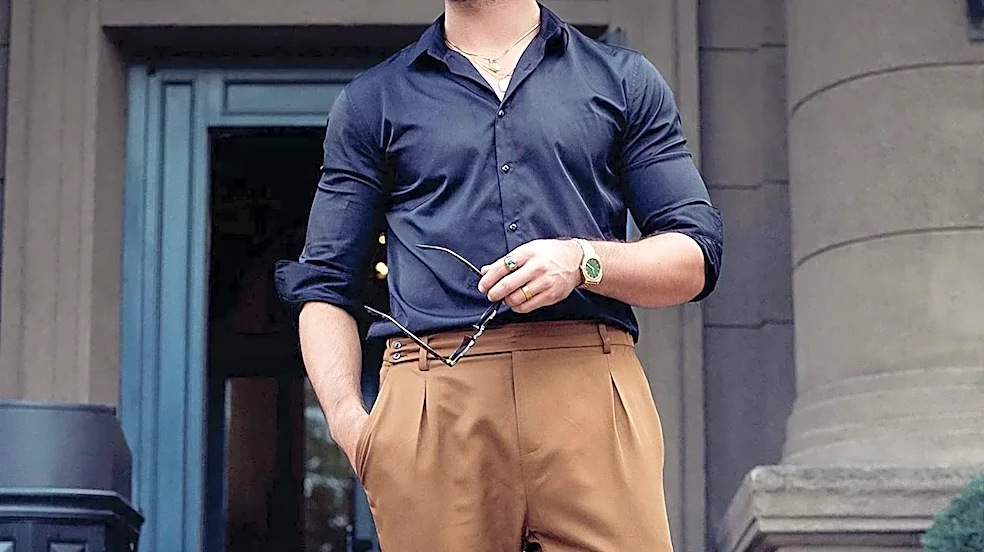
This is where pleats truly shine and where most of the misunderstanding lies. Bad pleated pants from the '80s and '90s were baggy and unflattering. Modern pleated trousers are different. When cut correctly—typically with a higher rise that sits at the natural waist—pleats create a beautiful drape. The fabric falls cleanly from the waist down, creating a graceful, tapered line instead of clinging to the thigh. A well-executed pleat allows for a fuller leg that looks intentional and tailored, whereas a generous flat-front can simply look wide or shapeless. For men with broader builds, this can be transformative, providing balance and a more proportionate look.
It’s All About a Better Drape
Fabric drape is a subtle but crucial element of looking sharp. Because pleats introduce a small amount of extra material, they encourage the fabric to hang more fluidly. This is especially true with softer materials like wool, linen, or Tencel. A stiff flat-front pant can look rigid, but a pleated trouser in a flowing fabric moves with you. The pleats guide the fabric, helping it break in a controlled, elegant way. This is also why pleated pants often work better under a suit jacket or blazer; their shape continues the intentional line created by the jacket's tailoring, whereas a flat-front can sometimes hang awkwardly.
They Add Visual Interest and Depth
Style is in the details, and pleats add a layer of classic, sartorial detail that flat-fronts lack. A simple, single pleat can elevate a pair of trousers from a basic garment to a more considered style statement. It signals an appreciation for traditional tailoring and adds a touch of texture and depth to your waistline, especially for men who prefer not to wear a belt. While a flat-front is clean and minimalist, it can also be plain. Pleats offer a subtle nod to classic menswear without feeling costume-like, providing a perfect middle ground between overly casual and stuffy.
How to Wear Pleats in 2026
The key to getting pleats right is embracing a modern fit. Forget the low-slung, baggy styles of the past. Look for a pair with a medium or high rise that sits comfortably on your waist. The pleats should lie flat when you are standing still; if they are pulling open, the trousers are too tight. A gentle taper from the knee down keeps the silhouette from becoming sloppy. Pair them with a tucked-in shirt—whether it's a tee, a polo, or a dress shirt—to keep the waistline clean and show off the pleats. For footwear, they are incredibly versatile, working with everything from crisp sneakers and loafers to classic dress shoes.