




The New Courtside Seat
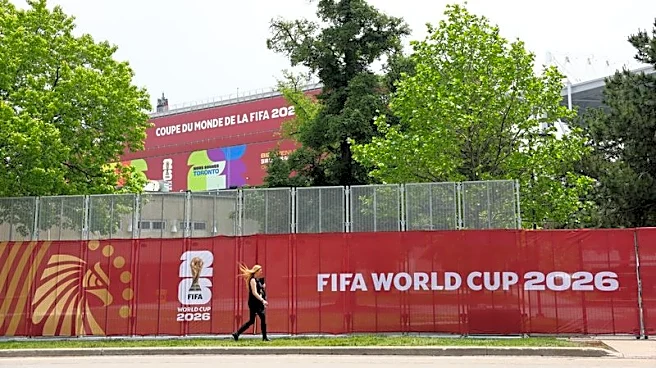
Forget courtside at a Lakers game; the new hot ticket for the rich and famous is a seat at the Men's Soccer Cup. The tournament being held across North America has transformed soccer stadiums into the latest red carpet. In Los Angeles, a match between
the U.S. and Turkiye saw Brad Pitt and Ed Norton reuniting in the stands, while Leonardo DiCaprio attempted to hide under a baseball cap. The U.S. opener also drew names like Tom Cruise, David Beckham, Sofia Vergara, and Owen Wilson. It's a scene, a spectacle, where the action in the VIP box is getting nearly as much coverage as the action on the field. This isn't just about catching a game; it's about being seen at the most talked-about cultural event of the moment. For celebrities, it's the perfect backdrop to signal relevance and global fluency.
Love of the Game or Love of the Clout?
The influx of celebrity faces inevitably raises the question of authenticity. Are these stars genuine fans who can explain the offside rule, or are they simply following a trend? The spectrum of celebrity fandom is wide. On one end, you have figures like Will Ferrell, a long-time Chelsea fan and a co-owner of LAFC, who is deeply embedded in the sport. On the other, you have stars who seem to appear just as soccer's popularity in the U.S. reaches a fever pitch. The phenomenon is reminiscent of the "Taylor Swift Effect" in the NFL, where a celebrity's presence can dramatically boost viewership, merchandise sales, and overall buzz. While some long-time soccer purists may roll their eyes, the strategy is undeniably effective at drawing new, casual fans into the fold.
The 'Welcome to Wrexham' Effect
Much of this new wave of American celebrity interest can be traced back to a small club in Wales. The docuseries "Welcome to Wrexham," following Ryan Reynolds and Rob McElhenney's purchase of Wrexham AFC, has done more than just tell a compelling underdog story. It demystified club ownership and made soccer fandom feel accessible, narrative-driven, and deeply emotional for an American audience that may have previously found the sport foreign. The show proved that the drama off the pitch could be as captivating as the game itself. Reynolds, who was spotted at Canada's opening match in Toronto, has become a global ambassador for the idea that investing in a soccer community is a powerful storytelling tool. This has inspired a sense that soccer is not just a sport, but a piece of cultural content waiting to be produced.
A Net Positive for U.S. Soccer?
For years, soccer has been the sport of the future in America. The celebrity bandwagon may be exactly what's needed to finally make it the sport of the present. When stars like Kim Kardashian and athletes from other sports like Dwyane Wade show up, it sends a powerful message: soccer is cool. This exposure is invaluable for the sport's growth in a crowded U.S. market. It generates media coverage, attracts sponsors, and encourages a new generation of fans who might have otherwise overlooked the game. With the U.S. co-hosting the world's biggest sporting event, the timing couldn't be better. The celebrity endorsement, whether authentic or opportunistic, helps embed soccer deeper into the mainstream American cultural conversation.
A Backlash from the Faithful
Not everyone is thrilled with Hollywood's newfound obsession. For every new fan brought in by a celebrity sighting, there's a lifelong supporter who feels their culture is being co-opted. Some argue that the constant panning to celebrities in the stands detracts from the game itself, turning a sporting event into a celebrity-gazing exercise. There's a palpable tension between the old guard, who have supported their clubs through thick and thin, and the newcomers who are just discovering the sport. The concern is that the passion and tradition of the game will be diluted by a wave of casual, clout-chasing tourism. It’s the classic battle between grassroots culture and mainstream commercialization, now playing out on soccer's biggest stage.