
The Show After the Show
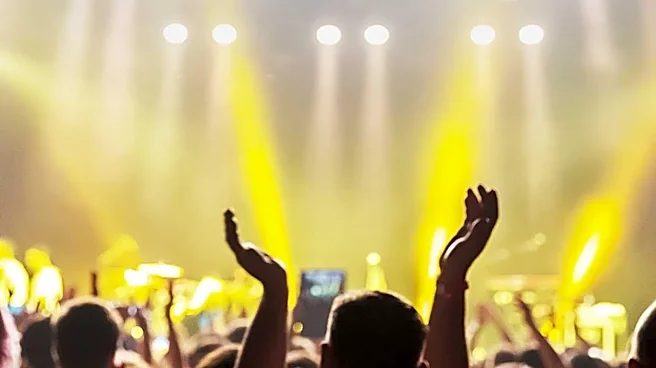
A concert used to be an ephemeral experience, a moment shared only by those physically in the crowd. Today, that moment is captured, clipped, and catapulted into the digital ether within minutes. A single, powerful chorus, a surprise guest, or a unique
stage design can break free from the festival grounds and start a new journey across platforms like TikTok and Instagram. This phenomenon has fundamentally altered the lifespan of a live performance. It's no longer a one-time event but a piece of media that can be endlessly replayed, remixed, and discovered by millions who weren't there. For artists and organizers, this creates a continuous feedback loop of hype that can sustain interest long after the final encore.
From the Crowd to the Cloud
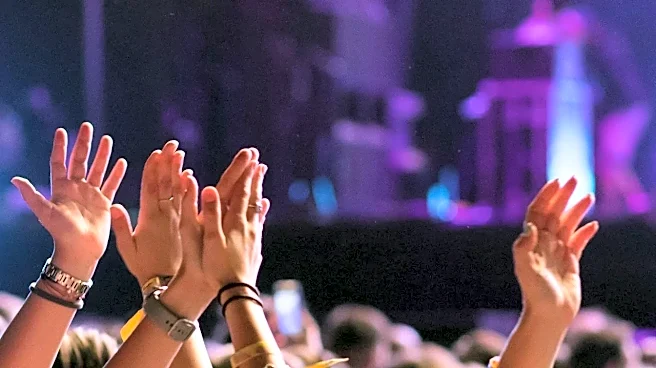
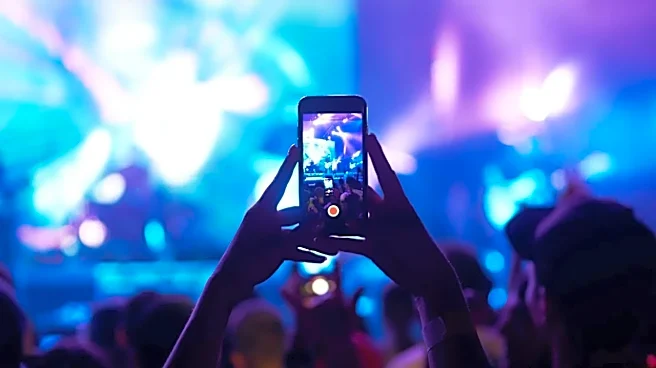
Every fan with a smartphone has become a potential broadcaster, a curator of the night's most memorable seconds. Recording a clip is often less about personal memory and more about participation in a larger cultural conversation. Sharing a video is a way of saying, "I was there," and offering social proof of an event's energy. This fan-generated content is seen as more authentic than polished, professional footage. It provides a ground-level view—the visceral feeling of the bass drop, the collective roar of the crowd—that official marketing struggles to replicate. While some argue that filming detracts from being present, other research suggests it can actually heighten enjoyment by focusing attention on the most meaningful parts of the show. In this new ecosystem, fans aren't just consumers; they are a vital, decentralized marketing team.
The Artist’s Unofficial Marketing Team
For artists, this torrent of fan content is a double-edged sword. On one hand, it’s a powerful, free marketing engine. A single viral clip can introduce an artist to a global audience, drive streams, and sell tickets for future shows. In fact, data shows that a significant majority of charting songs first gain momentum on platforms like TikTok, often fueled by live performance clips. This has led some artists to deliberately stage "viral moments"—like bringing a fan on stage or debuting a unique visual—specifically designed to be captured and shared. On the other hand, this creates immense pressure and a loss of control. An off-key note, a technical glitch, or an awkward moment can go viral just as easily, taken out of context and defining the narrative of a performance in ways the artist never intended.
Designed for Perpetual Performance
This trend isn't accidental; it’s fueled by the very design of social media platforms. The short-form, sound-centric format of TikTok and Instagram Reels is perfectly suited for concert highlights. Algorithms prioritize high-energy, engaging content, allowing clips from unknown artists to gain massive reach without a pre-existing fanbase. This has democratized music discovery, breaking down the traditional barriers of radio play and industry gatekeepers. Recognizing this power, festival organizers now actively encourage sharing by providing on-site charging stations and robust Wi-Fi. The festival experience itself is also changing, with more emphasis on creating visually stunning, "Instagrammable" art installations and moments that look as good on a phone screen as they do in person.