





John Carney
If there is a direct heir to Cameron Crowe's musical soul, it's Irish filmmaker John Carney. Where Crowe used rock journalism as his entry point, Carney, a former bassist for the band The Frames, uses songwriting itself. Films like 'Once,' 'Begin Again,'
and 'Sing Street' are not just stories with great music; they are stories about music's power to connect us, to heal heartbreak, and to forge identity. Like Crowe’s best work, Carney’s characters are often at a crossroads, finding salvation not in a grand gesture, but in the collaborative magic of creating a song. The bittersweet, hopeful romanticism that runs through his filmography feels like a direct conversation with Crowe classics.
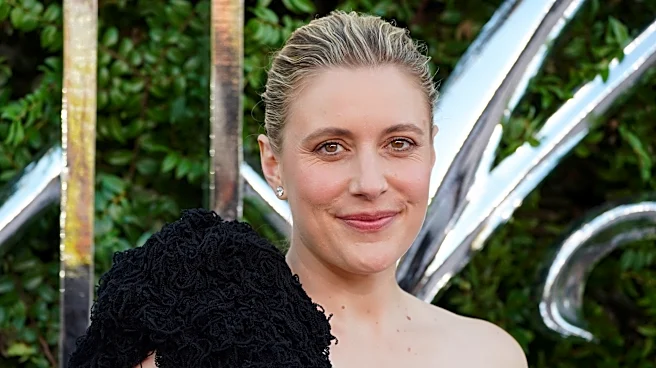
Greta Gerwig
While she may not place the same emphasis on rock gods and vinyl, Greta Gerwig’s films are bursting with the same earnest, character-driven energy that defines Crowe’s work. Her movies, from 'Lady Bird' to 'Little Women' and 'Barbie,' are deeply humanistic, focusing on the messy, beautiful, and often funny journey of self-discovery. Gerwig shares Crowe’s knack for writing dialogue that feels both heightened and completely real, capturing the way people talk when they’re trying to figure themselves out. Her stories are love letters to their characters, championing their flaws and celebrating their breakthroughs with a warmth and sincerity that feels deeply Crowe-ian.
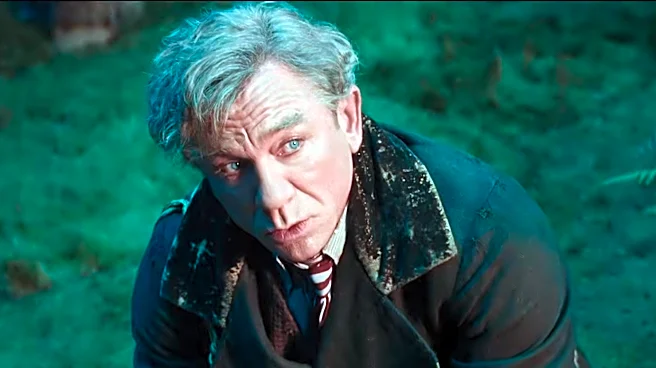
Alexander Payne
Alexander Payne's films often feel like Cameron Crowe's more cynical, melancholic cousin. Both directors are masters of the road trip movie, sending flawed protagonists on journeys of self-discovery. While Payne’s characters in films like 'Sideways' and 'The Holdovers' might be more outwardly curmudgeonly than Crowe’s optimists, they share a deep-seated humanity. 'The Holdovers,' in particular, evokes a 1970s warmth and a focus on found families that feels incredibly close to Crowe's world. Both filmmakers understand that humor and heartbreak are often intertwined, and both excel at creating unforgettable characters who are just trying to find their place in the world.
Richard Linklater
Richard Linklater is another director whose characters feel like they could exist in Crowe’s universe. His focus on conversation, the passage of time, and the quiet moments that define a life resonates with Crowe's observational style. Films like 'Dazed and Confused' and 'Everybody Wants Some!!' are essentially 'hangout movies' driven by camaraderie and, crucially, killer soundtracks. While Linklater often leans into a more philosophical or experimental structure, his fundamental interest in authentic human interaction and the nostalgia of youth provides a strong thematic link to the world of 'Almost Famous' and 'Singles'.
Taika Waititi
Taika Waititi’s genius lies in his ability to find profound heart in the midst of absurdity, a trait he shares with Crowe. Whether it’s a boy with an imaginary Hitler for a friend in 'Jojo Rabbit' or a foster kid on the run in 'Hunt for the Wilderpeople,' Waititi’s films are full of outsiders who form unlikely families. He masterfully blends laugh-out-loud comedy with moments of genuine emotional gut-punch, never shying away from sincerity. Like Crowe, he also has an impeccable ear for a great needle drop, using pop music to amplify emotion and reveal character in a way that feels both epic and deeply personal.
Mike Mills
Mike Mills creates films that feel like beautifully curated memories, much like 'Almost Famous' is for Crowe. His work, including '20th Century Women' and 'C'mon C'mon,' is deeply personal and often semi-autobiographical. Mills explores family dynamics and intergenerational connection with a gentle, observant touch. He uses voiceover, archival footage, and music not just as background, but as integral parts of the storytelling, creating a collage effect that gets to the heart of how we process our lives and relationships. This introspective, heartfelt style, focused on how we are shaped by the people and culture around us, is pure Crowe.