


Months Out: The Strategic Tease
The campaign for a Venice premiere doesn’t start with the red carpet; it begins months earlier, often before the film is even finished. The first move is the official selection announcement. This alone positions the film as a prestigious piece of cinema,
a contender. Immediately, the studio’s publicity machine kicks into gear. They’ll work with trade publications like Variety or The Hollywood Reporter to “break” casting news or release a single, carefully chosen production still. The goal is to plant a seed of curiosity. Is this an Oscar hopeful? A daring art film? By controlling the initial flow of information, publicists start building a narrative long before the first critic has seen a frame. This slow burn is designed to create a low hum of anticipation that will build to a roar by the time the festival opens.
The Arrival: A Staged 'Candid' Moment
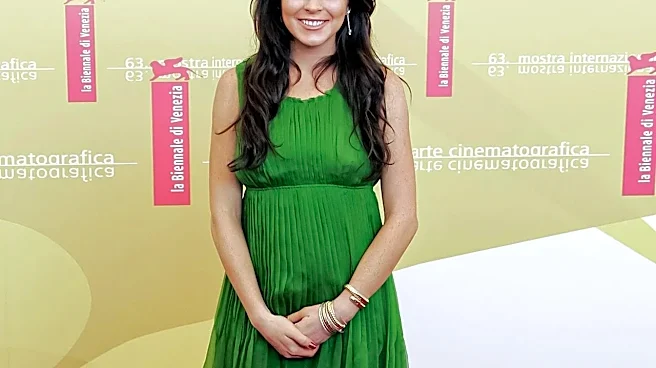
In the week leading up to the premiere, the talent arrives in Venice, and this is no casual vacation. Every moment is a photo opportunity. Paparazzi shots of stars stepping off a water taxi or enjoying a gelato aren’t accidents; they are often orchestrated moments. Publicists will tip off select photographers to ensure the images captured are on-brand and flattering. These “candid” photos serve to humanize the stars while reminding the public that they have descended upon the Lido. The fashion choices are equally deliberate. A casual-chic airport outfit or a designer sundress for a stroll through the city is chosen to project an air of effortless elegance, setting the stylistic tone for the main event and often involving lucrative brand partnerships.
The Press Gauntlet: Controlling the Narrative
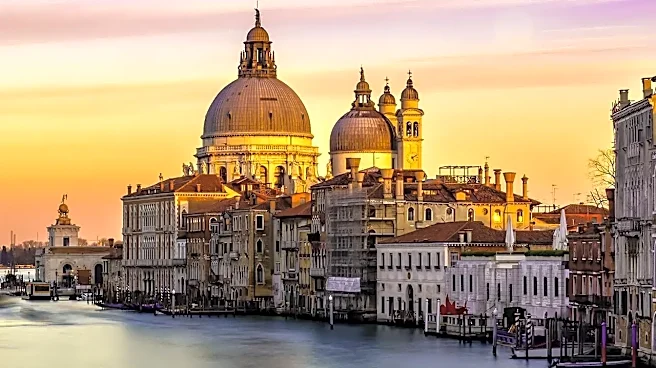
The day of the premiere is a full-scale media assault, beginning with the official photo call and press conference. This is the first time the cast and director face the world’s press together. The energy is palpable, but the proceedings are tightly controlled. Publicists prep their clients with talking points, anticipating difficult questions and steering conversations toward the film's strengths. The photo call itself is a visual bonanza, designed to flood news wires and social media with images of the beautiful cast against a scenic Venetian backdrop. The press conference is a chance to frame the film’s message directly, giving journalists the soundbites and angles the studio wants them to use in their initial reports. It’s a performance of accessibility that is, in reality, a masterclass in narrative control.
The Red Carpet Climax
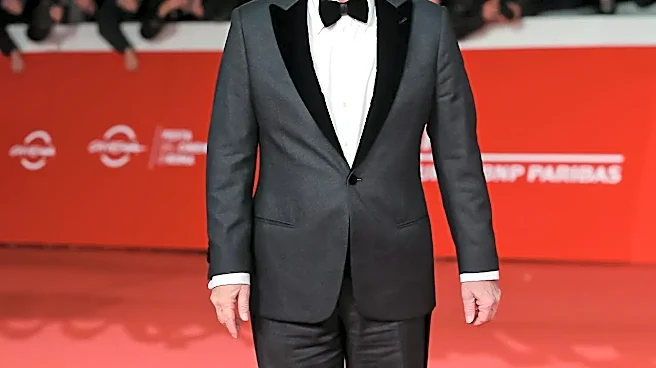
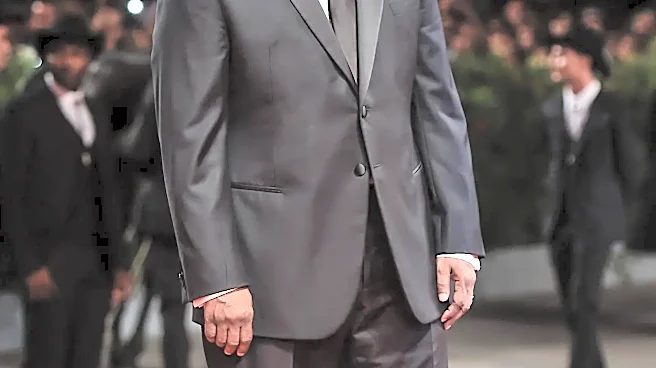
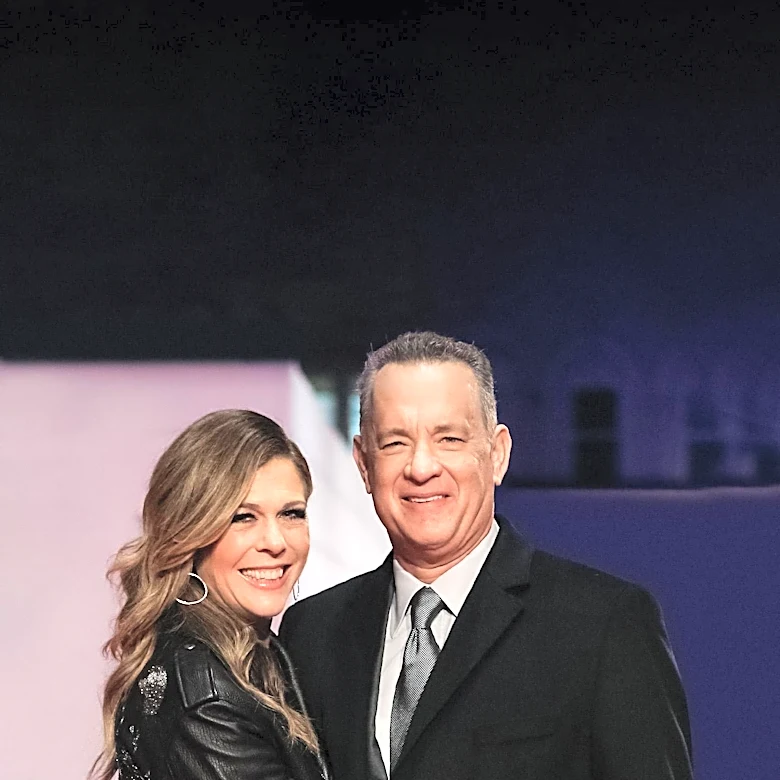
The red carpet is not just a walk; it’s a spectacle and a branding exercise. The gowns and tuxedos are often the result of months of negotiations between stylists and luxury fashion houses like Armani, Chanel, or Dior, who see Venice as a premier global stage. A stunning look can generate as much, if not more, media coverage than the film itself. Publicists work to ensure their star gets their moment, from creating a viral fashion statement to engineering a heartwarming cast reunion in front of the cameras. Every pose, every glance, and every wave is part of a visual campaign designed to scream “movie stars have arrived,” creating iconic images that will define the film’s launch.
The First Reviews: Managing the Reaction
Once the film screens, the final and most crucial phase begins: the review embargo. Studios set a specific time when critics are allowed to publish their full reviews. This strategy prevents a slow trickle of negative buzz and allows the publicity team to orchestrate a wave of coverage for maximum impact. In the minutes after the embargo lifts, publicists are already scanning for positive pull-quotes to blast across social media. Some studios even use a two-tiered system: a social media embargo lifts first, allowing for short, enthusiastic reactions, followed by the full review embargo later. This allows them to build initial positive momentum, even if the longer reviews are more mixed. That minutes-long standing ovation you always read about? It’s both a genuine reaction and a powerful piece of PR, immediately signaling to the world that the film is a triumph.