



The Geometry of the Goal
First, let's talk about the simple physics of it. A corner kick to the near post travels a shorter distance and gets there faster, which sounds good but gives defenders less time to make a mistake. A long, looping ball toward the back post is a completely
different problem. It hangs in the air, forcing defenders and the goalkeeper to make a series of complex calculations under extreme pressure. The ball is traveling away from the densest cluster of players, creating isolated one-on-one battles in space. For the goalkeeper, this trajectory is particularly nasty. It tempts them to come off their line to claim the ball, but the distance and crowd of bodies make it a high-risk gamble. This indecision is the first seed of panic.
An Attacker's Dream Scenario
For the offensive player attacking the back post, the setup is nearly perfect. They can see the flight of the ball for its entire journey, allowing them to time their run precisely. Unlike defenders who are often taught to watch both the ball and their assigned player, the attacker has a single mission: meet the ball at its destination. They can build up a head of steam, running toward the goal while defenders are often flat-footed or moving backward, a significant disadvantage in an aerial duel. The back-post run is often made by a team's tallest player or best header of the ball, creating a deliberate mismatch against a potentially smaller fullback who has been dragged into an uncomfortable position. They become the famed "unmarked man" not by accident, but by design.
The Defender's Nightmare
Now, put yourself in the cleats of a defender. Your primary job is to clear the danger. But the back-post corner presents a paralyzing dilemma. Do you watch the flight of the ball or stay glued to the opponent making a run behind you? If you watch the ball, a clever attacker can drift into your blind spot. If you focus only on the player, you lose track of the delivery and can't position yourself to intercept it. This defensive indecision is compounded by the breakdown of defensive systems. Both man-to-man and zonal marking have weaknesses that a good back-post delivery can exploit. In man-marking, a defender can be physically outmatched or simply lose their runner. In zonal marking, the ball is deliberately placed between zones, forcing players to decide who should attack it, and any hesitation is fatal.
The Goalkeeper's Impossible Choice
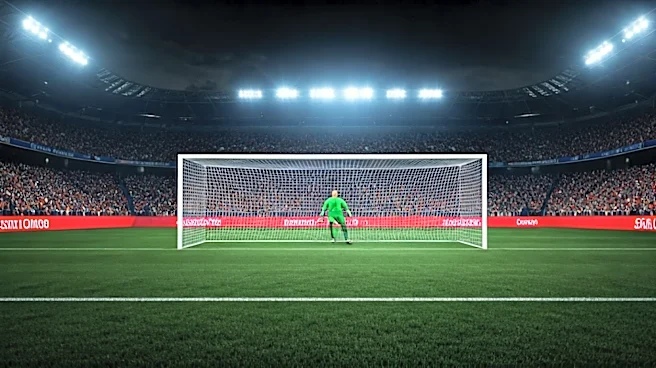
No position is more brutally exposed by a back-post corner than the goalkeeper. The six-yard box is supposed to be their kingdom, but a high ball to the far corner turns it into a no-man's-land. If they stay on their goal line, they are a sitting duck, conceding a huge portion of the goal to any attacker who gets a clean header. If they decide to come out and challenge for the ball, they must navigate through a sea of bodies—both friend and foe—and time their jump perfectly. A slight miscalculation means they are caught in limbo, unable to impact the play and leaving the goal completely unguarded. The attacker is forcing the keeper to make a decision, and in the high-stakes pressure of a cup match, any decision can feel like the wrong one.
The Cascade of Chaos
The "panic" described in the headline isn't just about one player making a mistake. It's about a chain reaction of small, predictable failures that a well-designed set piece is built to trigger. The long flight of the ball creates uncertainty. The attacker's run creates a mismatch. The defender's divided attention creates hesitation. The keeper's positional dilemma creates paralysis. When these elements combine, the result is the frantic, desperate scrambling you see in the box. Attackers have the option to head for goal or, even more dangerously, head the ball back across the face of the goal, where the defense is now completely out of position and ripe for a tap-in.