



The Limited Series Is the New Prestige Picture
For decades, the path was clear: television was the stepping stone to the big screen. Now, the most coveted projects for A-list talent are often found in the Outstanding Limited or Anthology Series category. This year’s Emmys were a testament to this,
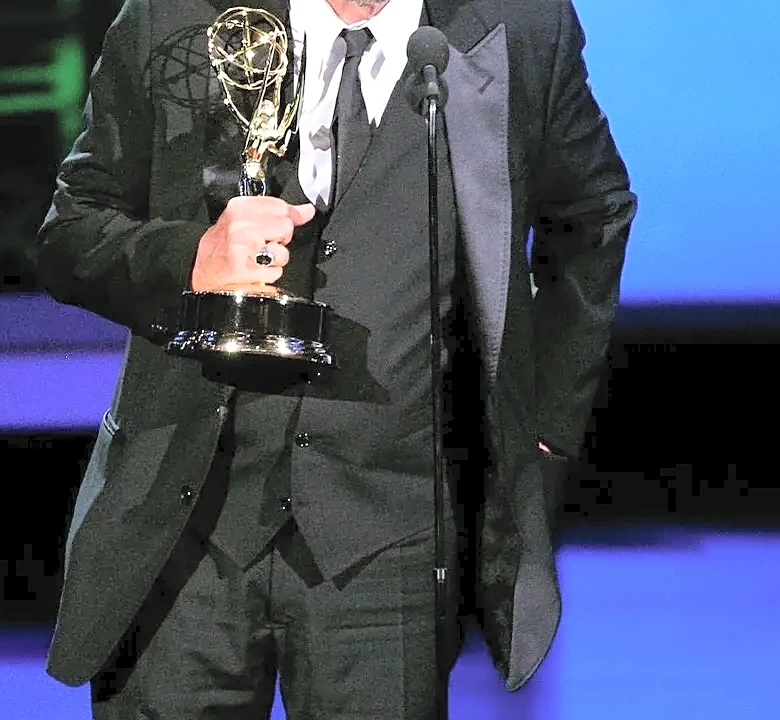
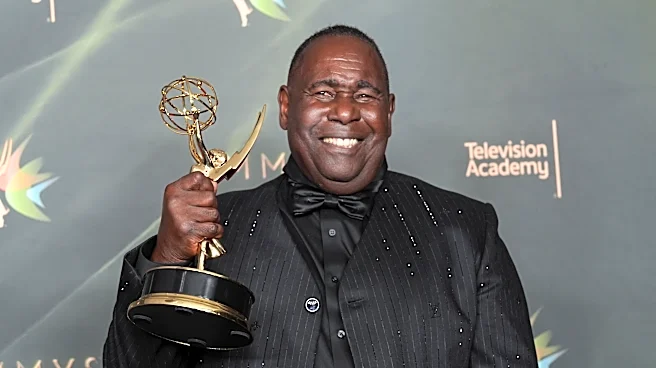
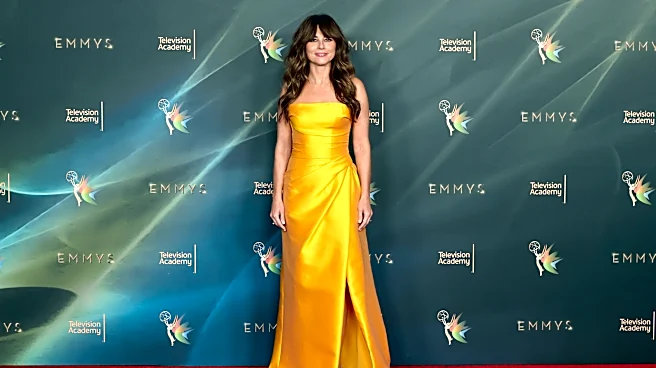
with the dark comedy "DTF St. Louis" sweeping the major awards in the category at the Creative Arts ceremony. Securing wins for stars David Harbour and Linda Cardellini, the show was treated less like a traditional series and more like a long-form cinematic event. These series are not just attracting movie stars; they are structured, financed, and marketed like major film releases. They offer the narrative depth that a two-hour movie often can't, combined with the budget and creative freedom that rivals or even exceeds that of many modern studio films.
When Is a Movie Just a 'Movie'?
The Television Academy itself acknowledged the collapsing distinction by officially renaming the “Outstanding Television Movie” category to simply “Outstanding Movie” for the 2026 awards. This wasn’t just a semantic change; it was a surrender to the new reality of distribution. When a streaming service produces a feature-length project with a blockbuster budget and A-list director, is its Emmy eligibility the only thing preventing it from being a “real” movie? The lines have become so blurred that awards strategy, not artistic format, is often the deciding factor. A project might be submitted for Emmy consideration not because it feels like television, but because the path to a nomination and win is perceived as more accessible than in the hyper-competitive Oscar race.
Talent Flows in All Directions
It’s no longer just about movie actors appearing on TV. The 2026 Emmys showcased a complete fusion of talent. Renowned film directors, Oscar-winning screenwriters, and sought-after cinematographers are now as likely to be found working on a six-episode streaming series as they are on a theatrical release. At the Creative Arts Emmys, Alex Timbers, known for his lavish Broadway productions like "Moulin Rouge!", won for his work on "The Muppet Show" reboot. This crossover demonstrates that the creative opportunities—and paychecks—in high-end television are attracting the industry's best, regardless of their background. The prestige is no longer confined to the silver screen; it lives wherever the most compelling stories are being told.
The Disappearing Budget Gap
Perhaps the most significant factor erasing the line is money. The budgets for flagship streaming shows now routinely reach levels once reserved exclusively for feature films. When a single episode of a sci-fi or fantasy series has a budget of $20-$30 million, the visual and technical quality becomes indistinguishable from a cinematic blockbuster. Productions are using the same high-end cinema cameras, visual effects houses, and production design teams. This was evident across many of this year's nominated shows, from the sprawling vistas in Apple TV+'s "Widow's Bay" to the intricate world-building in HBO's medical drama "The Pitt". Audiences, accustomed to this level of quality on their home screens, no longer perceive a difference in production value, further cementing the idea of a single, unified medium of visual storytelling.