









The Ugly Win Paradox
In the pressure-cooker environment of a World Cup, the Euros, or even March Madness, the group stage is about one thing: survival. The objective isn't necessarily to dazzle, but to accumulate enough points to reach the knockout rounds where the 'real'
tournament begins. This creates a strange paradox. A team can achieve its primary goal—advancing—while failing every imaginable eye test. They might scrape by with a lucky 1-0 win against a minnow, or need a last-gasp goal to salvage a draw. The results sheet says 'mission accomplished,' but the performance on the field screams 'total system failure.' This is the 'broken favorite,' a team that looks vulnerable, disjointed, and profoundly beatable, yet somehow lives to fight another day.
The Telltale Signs of a Faltering Giant
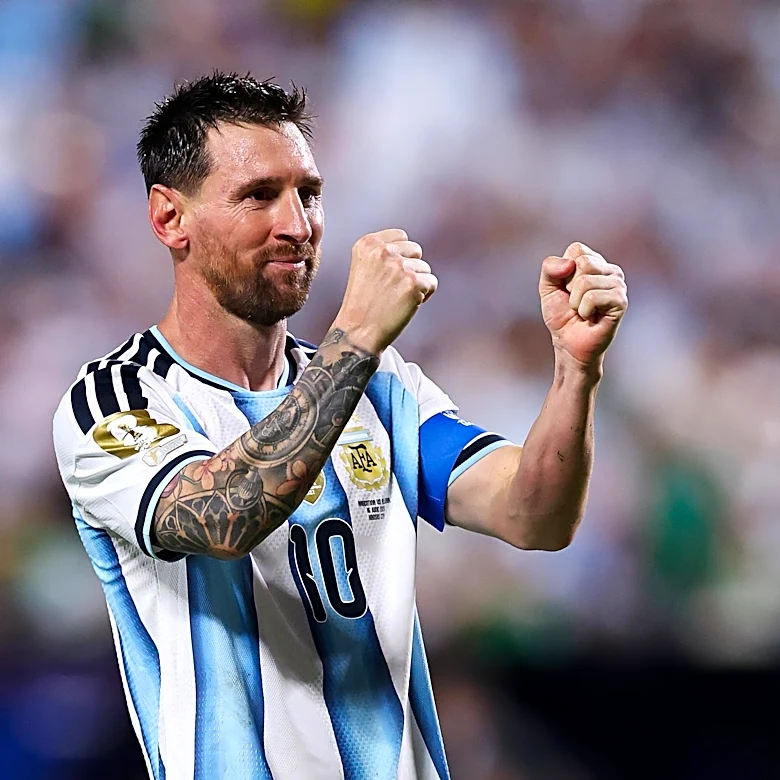
So, what does a 'broken' but advancing favorite look like? The symptoms are usually clear and consistent across sports. First, there's tactical incoherence. The team’s shape is a mess, elite players look isolated, and the connection between defense, midfield, and attack is severed. Passes go astray, and there’s a sense that the game plan, if one exists, has been abandoned. Second is an over-reliance on individual heroics. Instead of a fluid team performance, the strategy devolves into 'give the ball to our best player and hope.' While a moment of magic from a Messi or a Mbappé can win a game, it’s not a sustainable model for winning a seven-game tournament. Finally, there's the mental fragility. You see it in the panicked body language after conceding a goal, the on-field squabbles between teammates, and the frustrated interviews post-game. They look burdened by the weight of expectation, not inspired by it.
Case Study: The Stumble and the Surge
History is filled with champions who began their journey looking utterly broken. Take Spain at the 2010 World Cup. They were the undisputed favorites but promptly lost their opening match 1-0 to Switzerland. They followed it with nervy, low-scoring wins, looking like a shadow of the team that dominated Euro 2008. The critique was that their possession-based style was sterile and ineffective. Yet, they used the group stage to fine-tune their approach, grinding out results until their system finally clicked in the knockouts, leading them to lift the trophy. More recently, Argentina in the 2022 World Cup provided the ultimate example. Their shocking opening loss to Saudi Arabia was seen as one of the greatest upsets in history. They looked tactically naive and emotionally shattered. But that loss forced them to regroup. Coach Lionel Scaloni made crucial personnel changes, the team rediscovered its grit, and Lionel Messi found his highest gear. The 'broken' team from week one used the adversity to forge an unbreakable spirit, culminating in a legendary championship run. In both cases, the group stage wasn't a sign of collapse but an unscheduled, high-stakes training camp.
When the Cracks Are Not a Facade
But for every Argentina, there's a cautionary tale. Sometimes, a team looks broken because it *is* broken. The group stage performances aren't a temporary bug; they're a feature of a dysfunctional squad. Look at France at Euro 2020. The reigning world champions were overwhelming favorites. They managed to top a brutal 'group of death' with Germany and Portugal, but they never looked convincing. Their wins were labored, their chemistry seemed off, and reports of internal strife swirled. They survived the group, but the underlying problems were real. In their first knockout match against Switzerland, those cracks became chasms. They surrendered a 3-1 lead in the final ten minutes and crashed out on penalties. The warning signs were there all along, and the unforgiving nature of knockout football exposed them completely. The group stage hadn't been a crucible to forge a champion; it was just a stay of execution.