





For many, childhood Thanksgivings were defined by more than just turkey and stuffing. A choice had to be made on the TV dial, often between two animated titans. Your allegiance likely says a lot about what you value in a holiday story.
The Holiday Dilemma
Every great Thanksgiving
story starts with a problem. In 'A Charlie Brown Thanksgiving,' which first aired in 1973, our hero's crisis is one of social obligation. After Peppermint Patty invites herself and several friends over, Charlie Brown is wracked with anxiety. He’s supposed to be at his grandmother's house and, more importantly, he can’t cook. His dilemma is one of pure, relatable angst: the fear of letting people down. Sixteen years later, in 1989, 'Garfield's Thanksgiving' presented a different kind of crisis. Garfield, a creature defined by his love of food, is put on a diet by the vet, Dr. Liz Wilson, just before the biggest eating day of the year. His owner, Jon Arbuckle, then scores a date with Liz for Thanksgiving dinner, a meal he has no idea how to prepare. The conflict here isn't social anxiety; it's a collision of comedic desperation—Jon wants romance, and Garfield wants to eat.
A Tale of Two Feasts
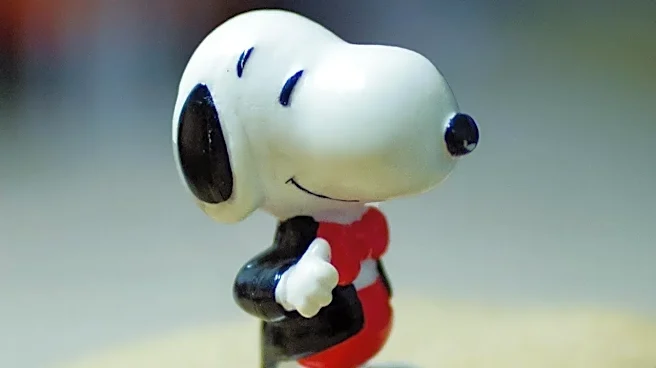
The centerpiece of any Thanksgiving special is, of course, the meal. And the differences here are stark. Guided by Linus, Charlie Brown, Snoopy, and Woodstock whip up the most unconventional feast in television history: two slices of buttered toast, a handful of pretzel sticks, some popcorn, and a smattering of jelly beans, all served on a ping-pong table in the backyard. When Peppermint Patty erupts in anger—'Where's the turkey, Chuck?'—it’s a moment of genuine conflict born from mismatched expectations. The meal isn't the point; the effort and togetherness are. In Garfield's world, the meal is absolutely the point. Jon's culinary attempts are a complete disaster, culminating in a rock-solid frozen turkey he tries to thaw with a hairdryer. The feast is only saved when Garfield, having successfully feigned illness to get off his diet, masterminds a call to Grandma Arbuckle. She arrives like a whirlwind, saves the day with a perfectly cooked turkey, and restores the natural order of holiday gluttony. It’s a celebration of abundance, not improvisation.
The Meaning of the Holiday
Ultimately, the specials offer two distinct philosophies on what Thanksgiving is all about. 'A Charlie Brown Thanksgiving' is a lesson in humility and gratitude. After Peppermint Patty's outburst, Marcie gently reminds her that she invited herself over in the first place. Linus delivers a poignant speech about the first Thanksgiving, reminding everyone that the holiday is about more than a perfect meal. It’s about being thankful for being together. The message is sincere, gentle, and deeply rooted in the idea of community overcoming imperfection. 'Garfield's Thanksgiving,' true to its sarcastic protagonist, finds its heart in a more roundabout way. The special is a comedy of errors, celebrating the chaos of family and the humor in failure. The heartwarming moment isn’t a speech; it’s Jon’s awkward but successful date with Liz and Garfield’s simple declaration after the feast: 'I'm thankful for leftovers'. The meaning isn't overtly stated but implied—Thanksgiving is about navigating delightful dysfunction with the people (and pets) you love.
Our Final Take
So which special defined your childhood? The answer likely depends on your own holiday disposition. If you cherish sincerity, find beauty in imperfection, and believe the holidays are about the quiet grace of friendship, you're probably a Charlie Brown person. The special, with its iconic Vince Guaraldi jazz score and soft, autumnal palette, is a warm blanket of earnestness. If, however, you believe the holidays are a time for chaotic energy, cynical humor, and the comforting triumph of a good meal after a long day of things going wrong, you likely fall in the Garfield camp. Its slicker, late-80s animation and Lou Rawls soundtrack give it a completely different, more modern vibe. Charlie Brown’s Thanksgiving is a gentle watercolor painting of community; Garfield’s is a brightly colored comic strip about the hilarious, messy reality of family.