





The Night Before: Set the Stage
Peak performance on game day starts the night before. Your evening meal is crucial for loading your muscles with glycogen, the primary fuel source for high-intensity activity. Aim for a dinner rich in complex carbohydrates, like pasta with a tomato-based
sauce, brown rice with grilled chicken, or a baked potato. This meal isn't about eating a huge volume; it's about prioritizing carbs to ensure your energy tanks are full. Pair it with a lean protein source and make sure to hydrate well throughout the evening. Drinking plenty of water the day before is more effective than trying to catch up on game morning.
3-4 Hours Out: The Main Event Breakfast
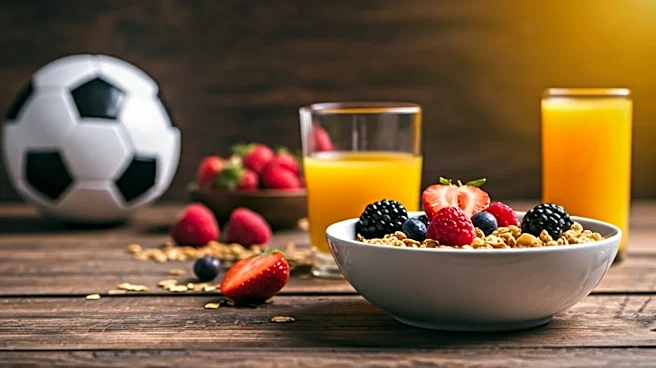
Timing your breakfast is everything. Eating a balanced meal about three to four hours before kickoff gives your body ample time to digest and convert that food into usable energy. This meal should be about 50-60% carbohydrates, with a moderate amount of protein and very little fat or fiber. Excellent options include oatmeal with sliced banana, scrambled eggs with whole-wheat toast and a side of fruit, or a smoothie made with Greek yogurt, fruit, and a handful of oats. The goal is sustained energy, not a heavy feeling that will weigh you down. This is not the time to experiment with new foods; stick to what you know your stomach handles well.
1-2 Hours Out: The Energy Top-Up
As kickoff approaches, you may need a small, easily digestible snack to top off your energy stores and keep blood sugar stable. This isn't a second breakfast, but rather a strategic shot of fuel. Think simple, fast-acting carbohydrates. A banana, a handful of pretzels, a few graham crackers, a small granola bar without too much fat or fiber, or even a fruit squeeze pouch are all great choices. This snack provides immediate energy that your body can access quickly without diverting too much blood to your stomach for digestion. Continue to sip water during this window to stay properly hydrated.
The No-Fly Zone: Foods to Avoid
What you don't eat is just as important as what you do. On game day, certain foods can sabotage your energy and comfort. Steer clear of anything high in fat, like fried foods, creamy sauces, or fatty meats. Fat slows down digestion, which can leave you feeling sluggish and heavy. High-fiber foods like beans, lentils, and some raw vegetables can also cause gas and bloating, so it's best to limit them in the hours before the game. While dairy is fine for some, for others it can cause digestive upset, so know your tolerance. Finally, avoid sugary drinks that can lead to an energy crash.