






Start Small with Accessories
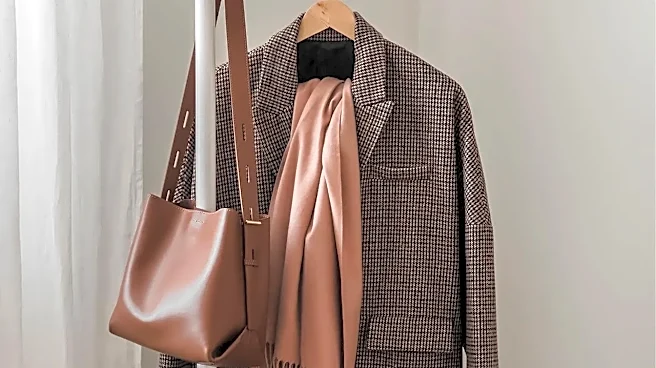
The lowest-risk way to introduce a challenging color is to treat it as an accent. Instead of committing to a full garment, begin with an accessory. A bold handbag, a vibrant scarf, a pair of colorful shoes, or even statement jewelry can add a pop of your
chosen hue without overwhelming your look. This approach allows you to experiment with the color, see how it feels, and get comfortable with it as part of your visual identity. Think of it as a test drive; a flash of color from a belt or a pair of earrings can feel intentional and stylish, giving you a boost of confidence.
Lean on Your Favorite Neutrals
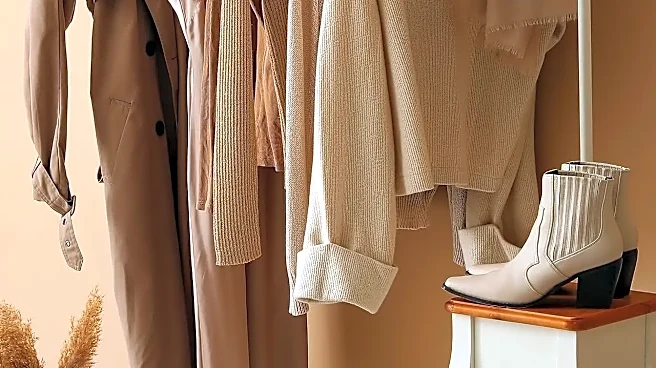
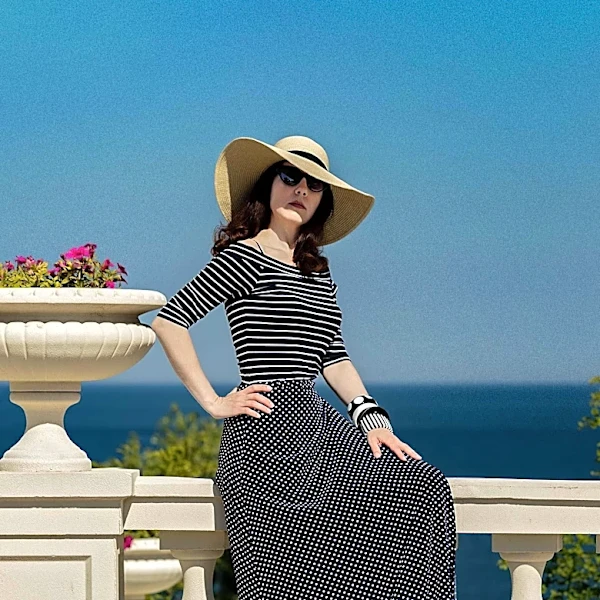
Neutrals are your best friend when styling a difficult color. Black, white, gray, beige, and navy create a perfect canvas that allows the bolder hue to be the star of the show without creating a chaotic look. Pairing a bright top with neutral trousers or a vibrant skirt with a simple white blouse is a classic and effective strategy. This balance grounds the outfit, making the bold color feel purposeful rather than random. Denim also functions as a versatile neutral, so pairing a colorful sweater or jacket with your favorite jeans is an easy starting point.
Try a Monochromatic Approach
While it might sound advanced, wearing a single color from head to toe can be incredibly chic and surprisingly easy. The key to a successful monochromatic outfit is to play with different shades and textures of the same color family. This creates depth and visual interest, preventing the look from appearing flat. For example, you could pair a forest green sweater with olive trousers and a mint-colored scarf. Mixing materials like knitwear, silk, leather, or denim within the same color family adds another layer of sophistication.
Use the Color Wheel for Guidance
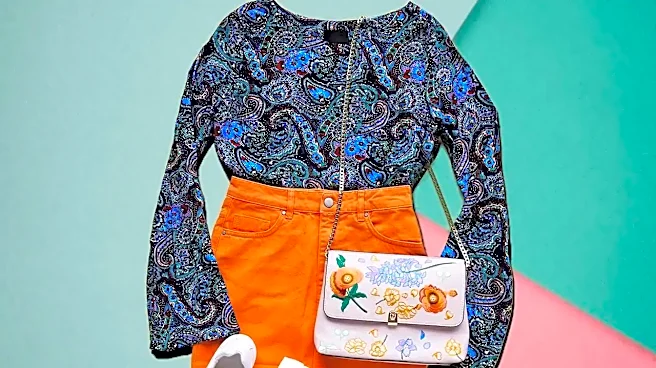
You don't need to be an art student to use basic color theory. A color wheel can offer simple, powerful pairing ideas. For a high-impact look, try complementary colors, which are directly opposite each other on the wheel, like blue and orange or red and green. To make this more wearable, let one color dominate and use the other as a smaller accent. For a more subtle and harmonious combination, choose analogous colors—those that sit next to each other on the wheel, such as blue and green. This creates a cohesive feel while still allowing you to play with different hues.
Consider the Placement
If you avoid a color because you feel it washes you out or isn't flattering to your skin tone, placement is everything. The colors closest to your face have the biggest impact. If a certain shade makes you feel pale, wear it away from your face as a skirt, pair of trousers, or shoes. You can then wear a more flattering neutral or complementary color near your neckline, such as a scarf or necklace, to create a buffer. This strategy allows you to enjoy a color you love without worrying about it clashing with your complexion. Makeup, like a brighter lipstick or extra blush, can also help balance a challenging color worn up top.