

The Bite-Sized, Repeatable Choreography
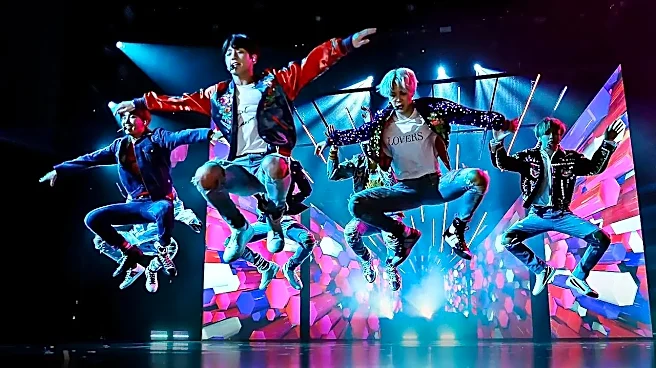
Forget complex, sprawling dance numbers. The new VMA spectacle often hinges on a 15-second burst of choreography that’s practically begging to be turned into a challenge. The moves are simple, memorable, and easily replicable in a vertical video format.
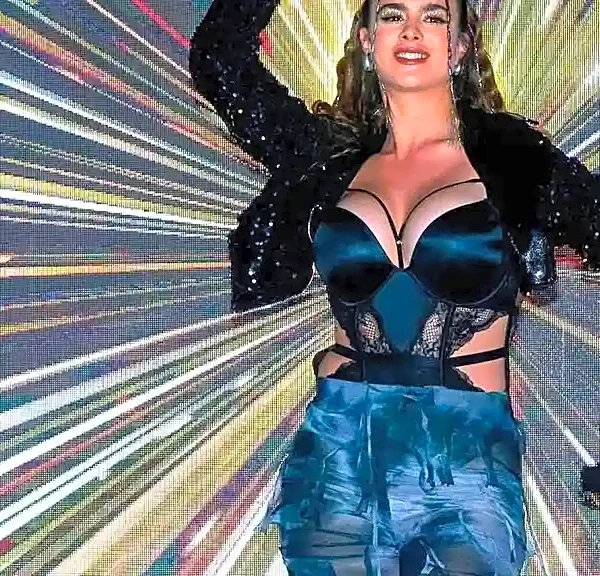
While a traditional performance is built for a wide stage, a TikTok-ready one features a contained sequence that looks good even when filmed on a phone in a bedroom. The artist and their dancers will perform it with an intensity that isolates it from the rest of the song, signaling to millions of viewers: “This is the part you’re supposed to copy.” This isn't just dancing; it's the distribution of a pre-made trend. Artists like Ciara have long been masters of creating dance moments, and the VMAs have become a prime launchpad for the next viral move.
The Pre-Packaged Audio Snippet
Listen closely to the song's arrangement during the performance. Often, a track will be subtly remixed for the live show to highlight a specific, loop-friendly segment. This isn't accidental. It’s a deliberate choice to serve the TikTok algorithm a perfect 15-to-30-second audio clip, complete with a clean beginning and end. This makes it easy for creators to use the sound without awkward fades or cuts. The performance itself will put a spotlight on this section, perhaps with a sudden beat drop, a stripped-down vocal, or a dramatic instrumental swell. The goal is to make a piece of the song so catchy and distinct that it becomes an earworm, prompting viewers to search for it on TikTok and use it in their own videos.
The Meme-Ready Visual Gag
Beyond the music and dancing, a performance built for TikTok often includes a single, bizarre, or hilarious visual moment designed to be screen-grabbed and memed. Think of an artist eating lipstick on stage, a dramatic, fake onstage confrontation, or a celebrity making a goofy face directly at the camera. These moments break the polished veneer of a typical awards show performance, creating a jolt of unpredictable energy. They are engineered for immediate online discussion, providing the perfect raw material for reaction videos and GIF-based commentary. While the VMAs have always been home to unscripted drama, these new moments feel different—less like accidents and more like carefully planned bits of shareable chaos.
The Direct-to-Camera 'For You' Gaze
Watch the artist's eyes. In a classic performance, the artist plays to the live audience or a main broadcast camera. But in a TikTok-centric performance, you'll notice moments where the star locks eyes with a specific, often lower-angled camera, breaking the fourth wall. This mimics the intimate, point-of-view style that defines TikTok's “For You” page. It creates a feeling of direct connection, as if the artist is performing just for the person watching on their phone. This technique transforms a massive stadium spectacle into a personal, one-on-one experience, a format that TikTok's algorithm and users overwhelmingly favor.
The Built-in Fan Interaction Moment
Modern performances often build a moment of audience participation directly into the show, creating a template for future tour interactions. This could be an artist singling out a fan, initiating a call-and-response, or debuting a special gesture for the crowd to adopt. At the VMAs, this serves as a high-profile demonstration of what fans can expect—and what they should be prepared to film—when the artist goes on tour. It's a way of road-testing a viral moment before it even hits the road. By staging a special interaction on a platform as big as the VMAs, artists create a powerful sense of FOMO (fear of missing out) that drives both ticket sales and social media buzz for months to come.