

The Old Guard of Coverage
For decades, the model for covering major cultural events like Coachella, Lollapalooza, or Bonnaroo was straightforward and top-down. A major media outlet, think MTV in its prime or E! News, would dispatch a known television personality or a movie star
to act as the audience's guide. They'd stand on manicured platforms, reading from teleprompters, and delivering polished interviews with A-list performers. The coverage was aspirational, heavily produced, and created a clear separation between the celebrity world and the audience watching at home. It was a broadcast-era strategy: a few powerful voices speaking to the many. But as media consumption fragmented, this approach started to feel slow, expensive, and, most importantly, inauthentic to a generation that grew up online.
The Rise of the Creator-Critic
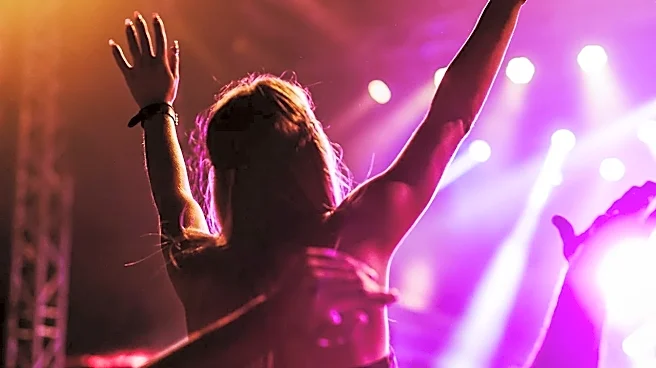
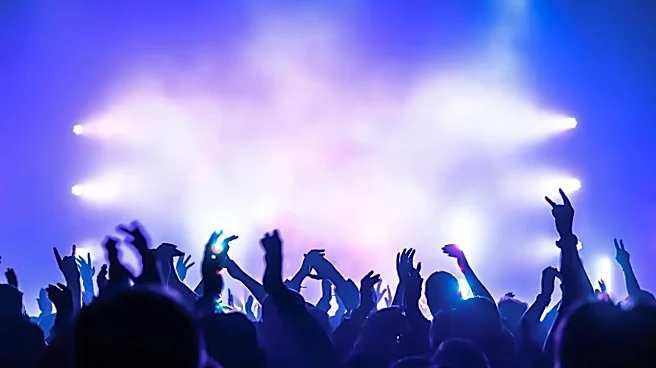
Enter the creator. This new wave of coverage isn't coming from professional hosts, but from TikTokers, YouTubers, and Instagrammers who have built dedicated followings. Their content is immediate, immersive, and often brutally honest. Instead of a wide, sterile shot of a main stage, they offer a shaky phone video from the middle of a mosh pit, a 'Get Ready With Me' story that breaks down the real cost of a festival outfit, or a critical review of the logistics, from food lines to sound quality. This isn't just about capturing moments; it's about providing a point of view. A recent Forbes analysis of Coachella noted that creators came to work, while traditional celebrities came to relax, highlighting a fundamental role reversal. Creators are now the primary documentarians of the experience, translating the festival's vibe through the lens of their personality.
Authenticity Is the New Currency
So why the pivot? It boils down to trust and economics. For Gen Z, who spend an average of 10.6 hours online per day, authenticity is paramount. Studies show that younger audiences trust creators, particularly those with smaller, more niche followings, far more than traditional celebrities. One survey found that 44% of Gen Z trust influencers with smaller followings, while only 8% are influenced to purchase by celebrities. This perceived authenticity makes creator content feel more like a recommendation from a friend than a corporate advertisement. Brands and festival organizers have taken notice. Partnering with a dozen micro-influencers is often more effective and affordable than a single celebrity endorsement, allowing brands to reach highly specific and engaged communities. It's a strategic business decision disguised as a cultural one.
The Festival as a Content Studio
This shift has transformed the very nature of the festival itself. Events are no longer just music gatherings; they are sprawling content studios. The experience is now designed to be filmed, with every element—from art installations to brand activations—optimized for social sharing. The line between attending a festival and performing at one has blurred. Creators plan their content for weeks, with stylists and production schedules, turning the festival grounds into their workplace. The audience, in turn, interacts with the event through their phones, consuming livestreams and scrolling feeds even while physically present. This creates a feedback loop where the digital experience of the festival becomes as important, if not more so, than the physical one, fundamentally changing what it means to be there.