


The Real Front Row Is in the Aisles
Long before you even enter the Grand Palais, the message is clear from the street style alone. The attendees milling around the Tuileries Garden or waiting for entry aren't just the typical art collector crowd of discreet wealth. They are a vibrant mix
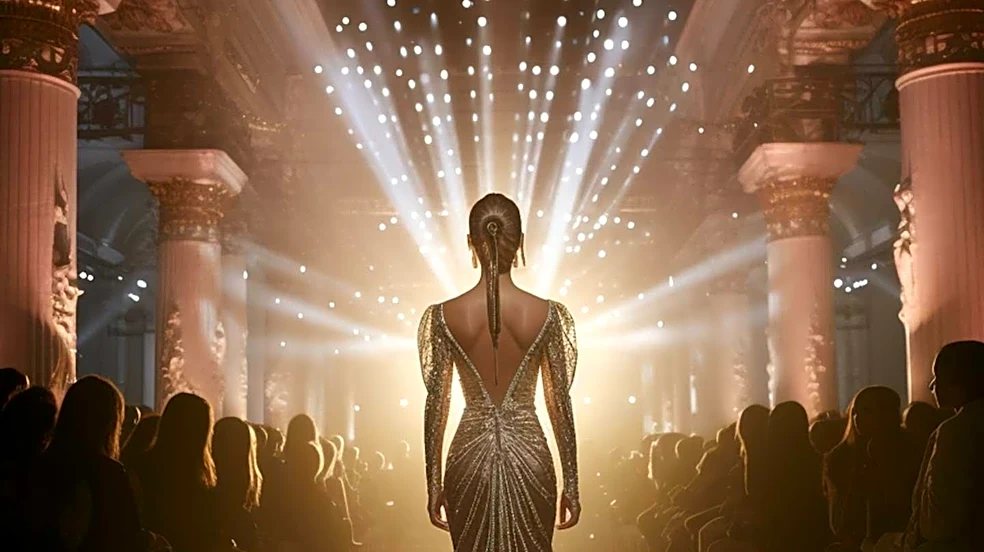
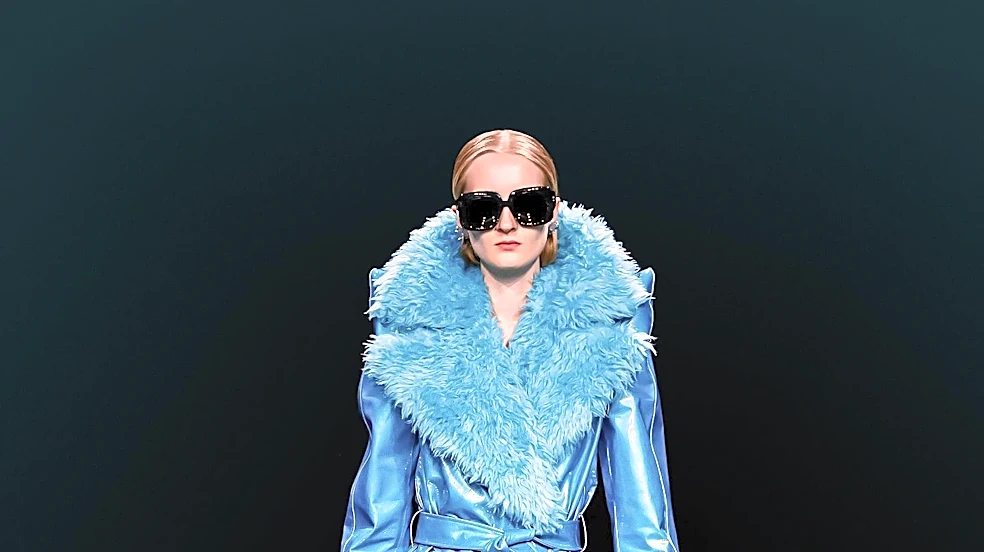
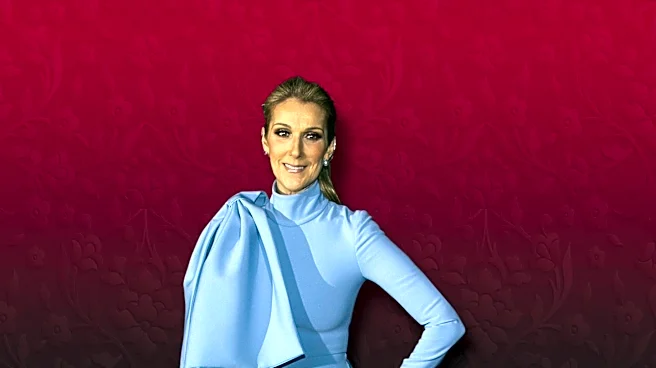
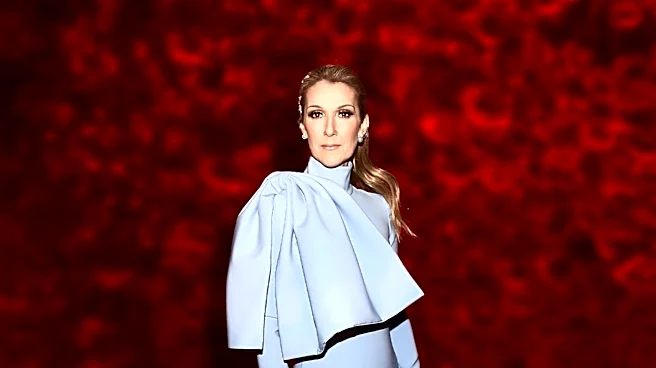
of fashion editors, creative directors, top-tier influencers, and designers, all dressed in looks that are as meticulously curated as the works hanging inside. The fair’s aisles have become an unofficial runway, a place to see and be seen that rivals the front rows of Chanel or Dior. The visual language of fashion—trend-spotting, statement-making, and personal branding—is as central to the Art Basel Paris experience as appreciating a multi-million dollar painting. This isn't an accident; it's a deliberate convergence where personal style becomes its own form of performance art. The event functions as a real-time mood board for what’s happening in luxury culture, where the attendees are as much a part of the exhibition as the art itself.
Luxury Brands Are the New Medici
The partner list for Paris+ par Art Basel reads like a who's who of global luxury. Louis Vuitton, Miu Miu, Chanel, Audemars Piguet, and Guerlain aren't just writing checks for a logo on a banner; they are deeply and strategically integrated into the fabric of the week. Louis Vuitton, for instance, is a global partner of Art Basel and often showcases its artist collaborations, like the Artycapucines collection, in elaborate booths that are destinations in their own right. Miu Miu sponsors the public art program, placing installations in iconic Parisian locations. These brands understand that cultural capital is the new currency. By commissioning artists, hosting exclusive dinners, and launching products during the fair, they move beyond mere sponsorship to become active participants and patrons. This alignment positions their products not as simple commodities, but as artifacts of a cultured lifestyle, implicitly telling their customers: 'If you appreciate this art, you'll appreciate our brand'.
Where Future Collections Take Shape
For fashion designers, a trip to Paris+ isn't just a glamorous day out—it's essential research and development. The fair is a concentrated dose of the avant-garde, a firehose of new ideas, color palettes, textures, and concepts. The raw, emotional brushstrokes of a new painter, the stark geometry of a minimalist sculpture, or the narrative power of a video installation can directly inform the collections that will appear on runways six to twelve months later. This is where the visual zeitgeist is born. Designers aren't just looking for a single print to adapt; they are absorbing the mood, the political and social questions being asked by artists, and the innovative use of materials. The art world moves at a different pace than fashion, often more reflective and experimental. By tapping into this, fashion creatives find the fuel that prevents their own work from becoming stale or purely commercial.
The Blurring of Art and Apparel
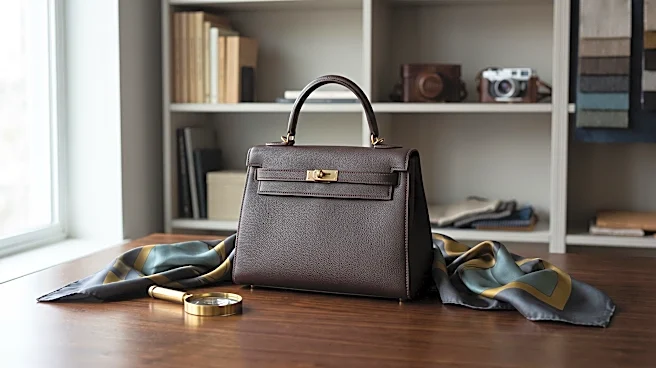
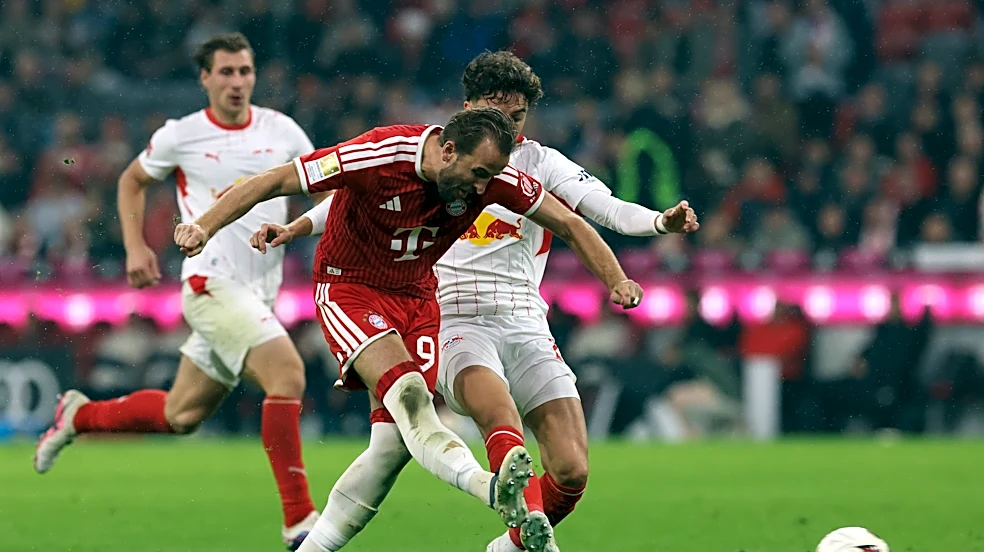
The relationship has evolved beyond simple inspiration to direct collaboration. The week of the fair is now dense with events that explicitly merge the two worlds. This year, for example, the football club Paris Saint-Germain collaborated with an artist on a special jersey, bridging sports, pop culture, and contemporary art. Brands like Maison Alaïa have explored the intersection of fashion and hospitality with curated dinners, while Dior has mounted exhibitions celebrating iconic fashion photographers. This fusion acknowledges that the modern luxury consumer doesn't live in a silo. Their interests are fluid, moving seamlessly between art, design, fashion, and food. A handbag can be a piece of sculpture, a sneaker can be a canvas, and an art fair can be the most important fashion marketing event of the season. The lines haven't just blurred; for many, they've been erased entirely.