
The Anti-Festival Festival
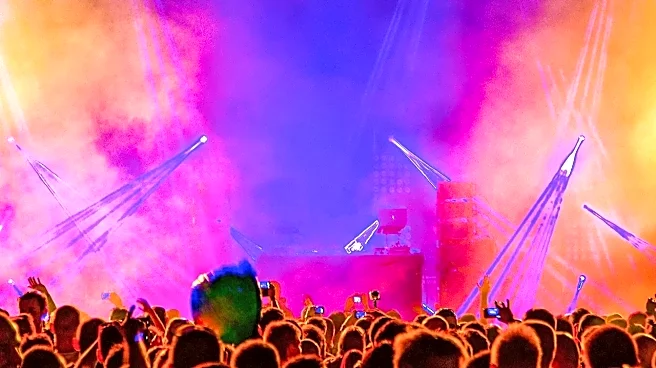
First, forget everything you know about a typical music festival. Events like Coachella or Lollapalooza are built on commerce: you buy a ticket, sponsors plaster their logos everywhere, and artists are paid handsomely to perform on a meticulously scheduled
main stage. Burning Man operates on a completely different philosophy, centered on ten core principles, including “decommodification” and “gifting.” There are no official headliners, no tickets sold to see a specific act, and no money changes hands for performances. When Diplo plays at a sound camp like Robot Heart or atop a mutant art car, he’s doing it for free, as a gift to the temporary city around him. This immediately changes the dynamic from a commercial transaction to a communal offering, stripping away the business-first layer of the modern music industry.
More Journey, Less Fireworks
At a commercial festival, a DJ of Diplo’s stature is expected to deliver a high-energy performance packed with their biggest hits. The crowd anticipates the drops they know from the radio. At Burning Man, the expectation is inverted. The audience, largely comprised of fellow participants and music aficionados, craves discovery, not familiarity. In his own words, Diplo uses the playa to “play records for the first time, bring back old records. Improvise… find new energy.” It’s a space for his more “underground, avant garde sets,” a stark contrast to his mainstream persona. A rumored incident from years past, where he was allegedly booed for dropping the mega-hit “Turn Down For What,” perfectly illustrates this cultural divide. Whether fact or legend, the story resonates because it highlights a core truth: the playa isn't for predictable bangers; it’s for sonic exploration.
Surviving the Dust and Chaos
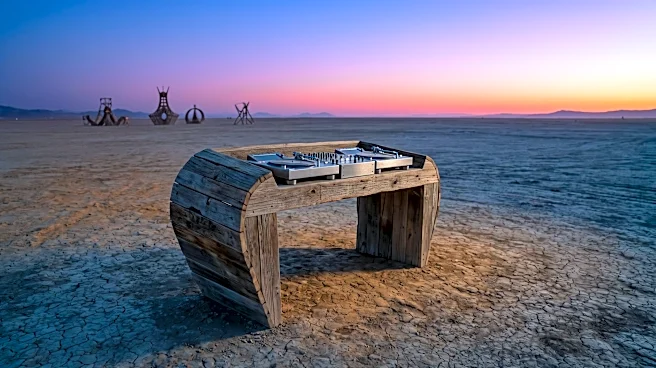
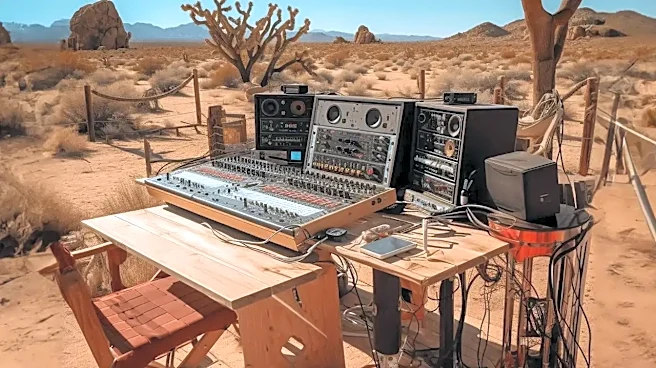
Logistically, Burning Man is the polar opposite of a polished festival. There are no pristine green rooms or perfectly calibrated sound systems waiting for artists. It’s a harsh, dusty desert environment where technology is prone to failure and self-reliance is a mandate, not a suggestion. DJs perform on whatever platform is available, from the back of a tricked-out art vehicle to a makeshift stage at a themed camp they stumble upon. Power can be unreliable, and the elements are unforgiving. This forces a level of adaptability and grit that a typical tour schedule doesn't demand. Diplo’s well-documented escape from a mud-soaked Burning Man in 2023, when he hitchhiked out with Chris Rock to make a gig in Washington D.C., is a testament to the chaotic, unpredictable nature of the experience. It’s a challenge that filters for artists who are there for the adventure, not the comfort.
Just Another Participant in Goggles
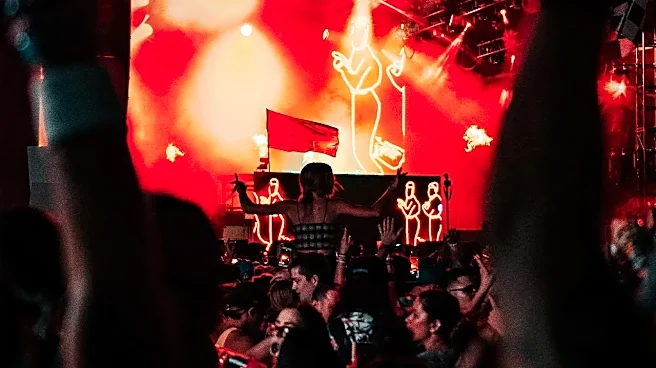
While a big name is still a draw, Burning Man’s ethos of “radical inclusion” and “participation” works to flatten the typical hierarchy between performer and audience. Out on the playa, Diplo isn’t a cordoned-off celebrity on a pedestal; he’s another person covered in dust, riding a bike, and contributing to the collective experience. He might play a massive sunrise set for a well-known camp or an impromptu back-to-back session with another DJ on a tiny art car for a few dozen people. This proximity and shared experience create a feedback loop of energy that’s impossible to replicate in a stadium. The performance ceases to be a one-way broadcast and becomes a shared moment. The DJ is not just entertaining the party; they are part of the party, reacting to the sunrise, the energy of the small crowd, and the absurdity of it all.