



The Creation Myth in a Melody
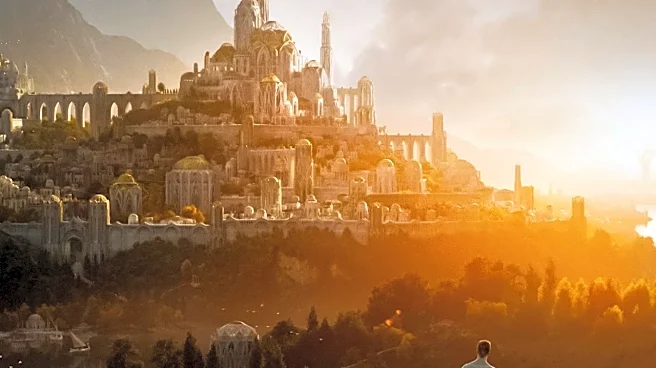
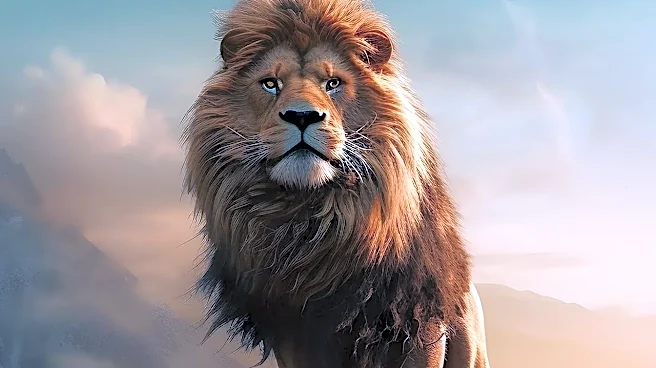
For those who came to Narnia through the wardrobe, the world’s origin is a lesser-known tale. It’s told in 'The Magician's Nephew', which Gerwig has confirmed is her starting point. In the book, the great lion Aslan doesn't build a world; he sings it.
From a formless void, a beautiful and powerful song brings forth stars, sun, landscapes, and living creatures. It’s a creation myth rooted not in cosmic explosions or divine labor, but in pure, unadulterated artistry. C.S. Lewis describes a song so beautiful it’s almost unbearable, a creative force that gives life and form. Those with open hearts are filled with wonder, while those with malice, like the witch Jadis, hate the sound because it represents a goodness they cannot comprehend. This isn't just a plot point; it's the thematic bedrock of Narnia itself.
Gerwig’s Focus on the Creator
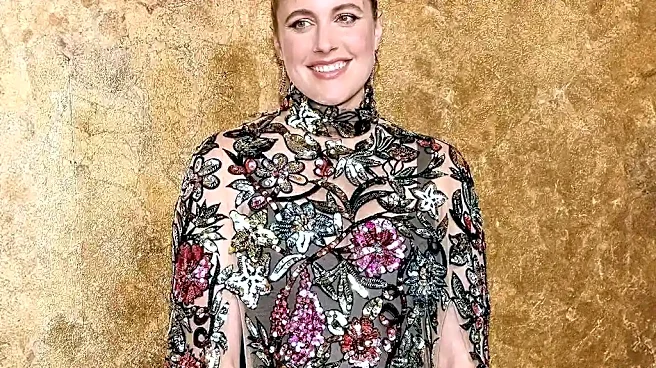
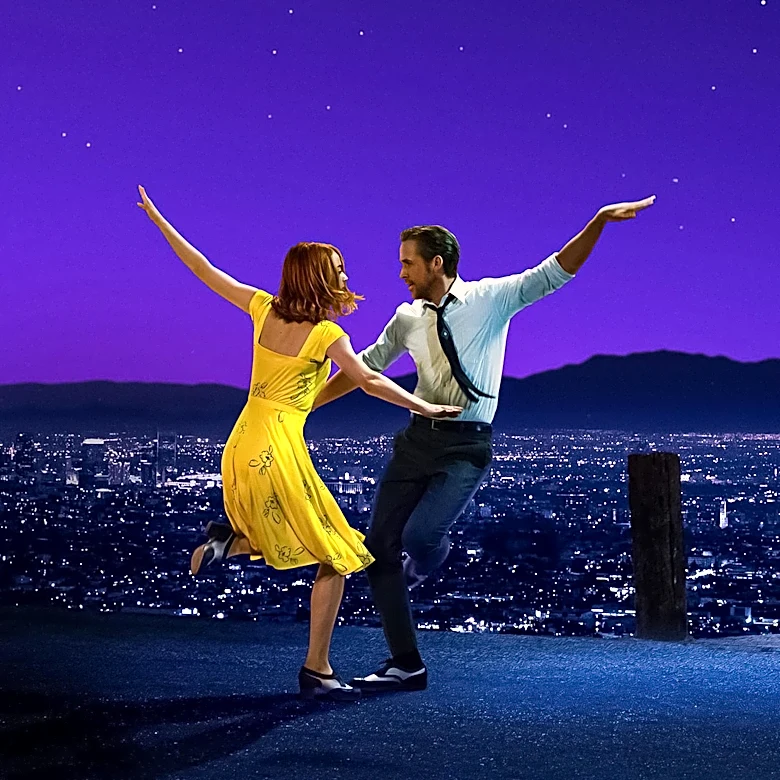
Greta Gerwig’s films are obsessed with the act of creation. Her characters are often artists wrestling with their own identity and voice, from the aspiring writer in 'Lady Bird' to the determined author Jo March in 'Little Women'. Her stories are character-driven explorations of what it means to make something, and to make oneself. In a recent Q&A, Gerwig spoke about her Narnia adaptation being a challenge of 'creation' rather than destruction, a chance to 'build a new world out of song'. She also told Empire magazine she believes the world of Narnia is 'made out of music'. This fascination with artistic genesis finds its ultimate expression in Aslan's song. It’s a sequence that allows her to explore her favorite themes—artistic ambition, the power of a singular vision, and bringing a world to life—on the most epic scale imaginable.
An Origin Story of Art Itself
By starting with 'The Magician's Nephew', Gerwig isn't just telling the origin of a fantasy world; she’s framing her entire saga around the origin of creativity. Aslan's song is a metaphor for the divine spark of inspiration. It suggests that beauty is not an accident but a foundational principle of existence. This aligns perfectly with Gerwig's cinematic style, which, while often feeling naturalistic, is meticulously crafted. Her films celebrate the messy, heartfelt, and powerful process of bringing an idea into the world. The creation of Narnia through song is the ultimate expression of this process. It provides a metaphysical anchor for the entire series, establishing that the magic of this place comes from a deeply personal, powerful, and artistic act. In a way, Aslan becomes the ultimate artist, and his song is the work that gives all other stories within Narnia their meaning.
A Perfect Marriage of Artist and Material
The prospect of a Gerwig-led Narnia has been met with both excitement and trepidation, with reports of a big budget, reshoots, and a shifted timeline from the 1900s to the 1950s fueling debate. But focusing on Aslan's song reveals a deeper harmony between director and source material. Lewis used the song to articulate a theological concept of creation. Gerwig, whose work often explores the quasi-spiritual journey of the artist, can use it to explore the profound act of making art and finding one's voice. She has expressed a deep, lifelong reverence for Lewis's work and a desire to honor it. By making the creative act the central miracle of her Narnia, she can stay true to the spirit of the books while infusing them with her own distinct thematic signature. The key isn't just that Aslan sings; it's that a filmmaker so attuned to the struggles and triumphs of creation is the one bringing that song to the screen.