

An Anthem For a Continent
Before the first vuvuzela sounded in South Africa, FIFA's choice of a Colombian pop star for the official anthem sparked controversy. Many South Africans felt a local artist should have been honored for the first World Cup on African soil. However, the song
itself was engineered for unity. Co-written by Shakira, "Waka Waka" cleverly interpolated a catchy chant from a 1986 Cameroonian song, "Zamina mina (Zangaléwa)" by Golden Sounds. While this initially led to claims of plagiarism, it was later clarified that an agreement was reached with the original artists. The masterstroke was collaborating with the beloved South African band Freshlyground. This fusion of Afro-Colombian rhythms, a pan-African musical sample, and local South African talent created a sound that was undeniably global yet rooted in the continent it was celebrating.
The Power of a Viral Video
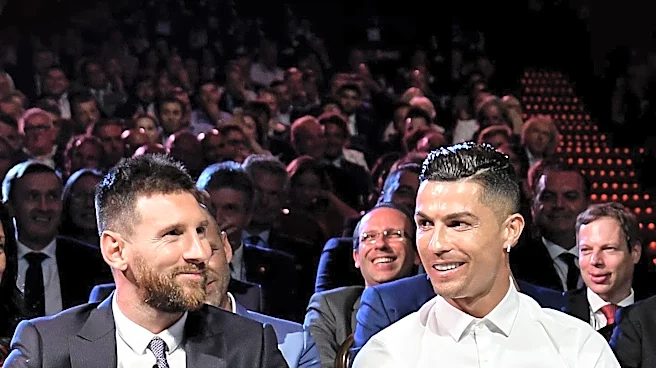
In 2010, YouTube was cementing its place as a global cultural force, and the "Waka Waka" music video was the perfect vehicle. Directed by Marcus Raboy, the video was a vibrant, joyful celebration featuring Shakira, Freshlyground, and a diverse group of dancers. Crucially, it was packed with cameos from soccer superstars like Lionel Messi and Cristiano Ronaldo, instantly connecting the music to the game's heroes. The simple, infectious dance moves were easy to replicate, sparking a worldwide dance craze. The video exploded online, becoming the most-watched video online in June 2010 and eventually surpassing billions of views, a rare feat at the time. It wasn't just a song; it was a shareable, participatory event that brought fans into the celebration before the first match even kicked off.
The World's Biggest Stage
The song's momentum culminated in unforgettable live performances. Shakira and Freshlyground took the stage at both the Kick-Off Celebration Concert and the closing ceremony before the final match in Johannesburg. Broadcast to hundreds of millions of viewers across more than 200 countries, these performances sealed the song's legacy. Dressed in a memorable zebra-print jumpsuit for one performance and a vibrant, fringed skirt for another, Shakira delivered an energetic show that captured the tournament's celebratory spirit. The closing ceremony performance, in particular, was described as a "riot of colour, light and laser show" that sparked an "ecstatic response" from the stadium crowd. It was the final, indelible image of the tournament, cementing the song in the public memory as the definitive sound of South Africa 2010.
A Legacy That Outlasted the Game
Sixteen years later, "Waka Waka" is not just remembered—it's the benchmark against which all other World Cup anthems are measured. It topped charts in over 15 countries and has sold over 15 million digital copies, making it one of the best-selling singles of all time. Its success set a template for future anthems, blending global pop stars with local flavor. For Shakira, it was a life-changing moment, solidifying her status as a truly global superstar and even introducing her to her future partner, Spanish footballer Gerard Piqué, who appeared in the video. More than just a song, "Waka Waka" became a cultural shorthand for the 2010 tournament, a moment of global unity where music and sport combined to create something far bigger than either could have been alone.