
The Foundation: An Unshakeable Brand DNA
Before you can outlast trends, you need a clear identity. Jason Wu established his from day one. After launching his label in 2006 with money earned from designing high-end dolls, Wu's vision was never about chasing the fleeting look of the moment. His
aesthetic was, and remains, rooted in a sophisticated, refined femininity—a sort of modern American glamour. That clarity paid off spectacularly in 2009 when First Lady Michelle Obama wore his one-shouldered white gown to the inaugural ball. The dress, now in the Smithsonian, wasn't just a career-making moment; it was a perfect summary of his brand: elegant, meticulously crafted, and timeless. While other brands of the era were built on the novelty of indie sleaze or the loudness of late-2000s party wear, Wu built his on a foundation of classic, aspirational elegance that wouldn't feel dated a year later.
Cycle 1: The Retail Apocalypse & Smart Access
The 2010s were brutal for fashion retail. The rise of e-commerce and the decline of malls hollowed out the middle market, leading to a wave of bankruptcies for brands like The Limited and Wet Seal. Many designer brands struggled, caught between fast fashion's low prices and ultra-luxury's prestige. Wu navigated this by executing a masterful 'brand pyramid' strategy. He kept his main collection at the peak of American luxury. But in 2012, he launched a limited-edition collaboration with Target. The collection of chic, affordable dresses, tops, and bags was a sensation, selling out almost instantly. This wasn't about cheapening the brand; it was a strategic move to build a massive new audience without devaluing his core collection. He proved you could be both aspirational and accessible, a balancing act many of his peers couldn't manage.
Cycle 2: The Streetwear Tsunami
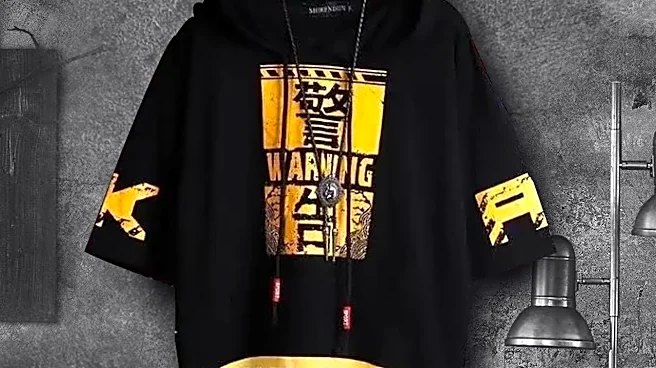
By the mid-to-late 2010s, a new wave was crashing over fashion: streetwear. Logos, hoodies, and chunky 'dad' sneakers became the new currency of luxury, driven by social media and a dramatic shift in cultural tastes. For a designer known for polished sheaths and feminine silhouettes, this presented a major challenge. Many brands either tried to awkwardly pivot to streetwear or were simply washed away by its dominance. Jason Wu did neither. He remained true to his aesthetic, predicting in 2019 that a return to polish was coming. Instead of trying to make a hypebeast hoodie, he doubled down on what his customers loved: romance, refinement, and clothes that made them feel powerful and feminine. While he served as artistic director at Hugo Boss from 2013 to 2018, he learned to amplify a strong aesthetic for a global company, further honing his ability to scale a vision without diluting it. This refusal to chase a trend that wasn't authentic to his brand was a quiet but powerful act of survival.
Cycle 3: The Pandemic Pivot & Human-Centered Branding
The global pandemic of 2020 was an extinction-level event for many fashion labels. It vaporized red carpets, emptied offices, and turned everyone's wardrobe into a rotation of sweatpants. The new keyword was 'casual'. Wu adapted brilliantly. While still designing his high-end collection, he leaned into his more contemporary Jason Wu label, creating breezy, comfortable, but still chic pieces. His runway show in September 2020 was a masterclass in adaptation: a socially-distanced, open-air event inspired by his newfound love for cooking, which he documented on his popular Instagram account, @MrWuEats. This humanized him and his brand. He also launched Jason Wu Beauty, an affordable and clean makeup line sold at Target, bringing his brand's ethos into a new, highly relevant category. He understood that even in a crisis, people want to feel good—whether it’s a beautiful cotton dress or a quality lipstick.