




The Pitfall: Relying on 100% Cotton
That classic college sweatshirt feels comfortable, but it's one of the worst choices for post-workout wear. Cotton is a natural fiber that acts like a sponge, absorbing all the sweat from your session. Instead of wicking it away, the fabric holds onto
that moisture, leaving you with a damp, heavy layer that can quickly make you feel cold and clammy. This is not only uncomfortable but can be terrible for your skin. Furthermore, a sweat-soaked cotton hoodie loses its shape and hangs poorly, instantly dragging down your look. While it's great for lounging at home on a rest day, it fails miserably when performance is required.
The Upgrade: Embrace Technical Fabrics
The solution is to switch to outerwear made from synthetic or blended technical fabrics. Materials like polyester, nylon, and spandex are designed to be moisture-wicking, pulling sweat away from your body to the fabric's surface where it can evaporate quickly. This keeps you dry, warm, and comfortable. Many modern athletic jackets and quarter-zips use fleece or proprietary blends that offer the softness of cotton without its absorbent downside. These pieces are lightweight, breathable, and engineered to move with you, providing a far superior experience whether you're cooling down or running errands after your session.
The Pitfall: A Sloppy, Unflattering Fit
Another frequent mistake is ignoring fit. Many men default to an oversized, baggy hoodie that completely obscures their physique and creates a sloppy silhouette. On the other end, a jacket that’s too tight can restrict movement and look equally awkward. The right outerwear should complement your frame, not hide it or constrict it. A poor fit suggests you just grabbed the first thing you could find, rather than choosing a piece that completes a thoughtful, athletic look. Your gym outfit doesn't end with your shorts and T-shirt; the final layer matters just as much.
The Upgrade: Opt for an Athletic Cut
Look for outerwear described with terms like "athletic fit" or "standard fit." These are designed to be slightly tapered through the body and arms without being restrictive. The ideal jacket should allow for a full range of motion while still providing a clean, structured look. Pay attention to the shoulders, chest, and length. The shoulder seam should sit on your shoulder bone, you should be able to zip it up without it pulling across your chest, and the hem should hit around your hips. This intentional fit makes you look more put-together, projecting an image of effortless style rather than post-gym disorder.
The Pitfall: The Single-Purpose Mindset
Too many gym-specific jackets are just that—only suitable for the gym. They might be covered in oversized logos or come in aggressive colorways that don't translate well to the outside world. Buying a jacket that you only feel comfortable wearing for the ten-minute trip to and from the gym is a missed opportunity. This approach limits your wardrobe's versatility and forces you to own more items than necessary. Your outerwear should be a functional part of your broader casual wardrobe, not just an athletic accessory.
The Upgrade: Prioritize Versatility
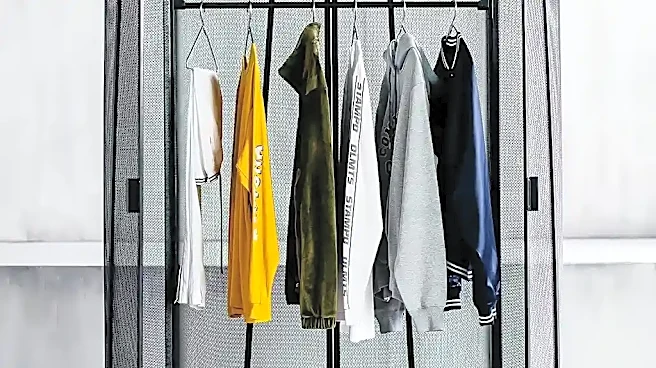
The best athleisure pieces are defined by their versatility. Invest in a high-quality, minimalist jacket in a neutral color like black, navy, grey, or olive. Bomber jackets, track jackets, and sleek quarter-zips made from technical materials are excellent choices. A clean, well-fitting jacket in a solid color can be worn over your gym clothes, but also paired with jeans for a casual weekend outing or with chinos for a smart-casual look. By choosing a versatile piece, you're not just buying gym outerwear; you're investing in a staple item that bridges the gap between your active and everyday life, ensuring you get maximum value and style.