


What Exactly Is 'Invisible' Editing?
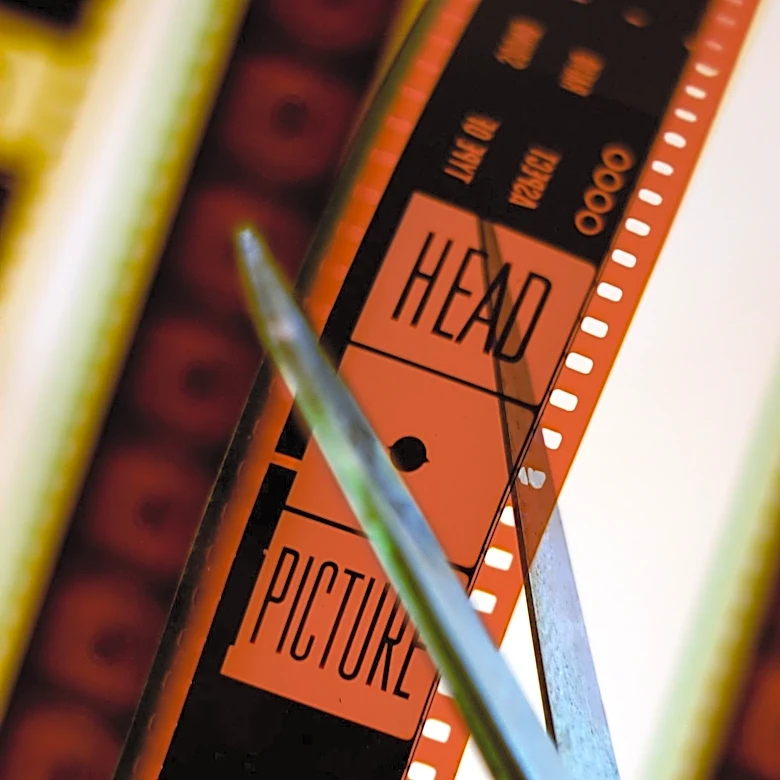
Invisible editing, often called continuity editing, is the art of making the cuts disappear. It’s the skill of joining shots so smoothly that the audience is completely absorbed in the story, not the filmmaking process. Think of a conversation in a drama.
The camera moves from one character's face to another, capturing reactions, pauses, and subtle shifts in emotion. When it’s done well, you don't think, “That was a good cut.” You think, “Wow, he’s really lying to her.” The goal is to serve the story so perfectly that the editor’s hand is never felt, making the transitions between shots feel logical and seamless. It requires a deep understanding of rhythm, pacing, and performance, ensuring that the audience’s immersion is never broken by a jarring or unmotivated cut.
The Loud Versus the Quiet
This isn't to say that all great editing is invisible. Highly stylized, noticeable editing has its place. Think of the frenetic montages in an action sequence, the quick-cut humor of a show like "The Office," or the suspense-building cross-cutting between two simultaneous events. This 'visible' editing can be brilliant and award-worthy in its own right. But invisible editing is a different kind of discipline. It’s an act of restraint. It's the editor choosing the perfect take of an actor’s subtle glance, holding a shot for an extra two seconds to build unbearable tension, or cutting on a character’s movement to create a fluid, uninterrupted flow of action. It’s a quiet art, one that prioritizes the emotional truth of a scene over flashy techniques.
An Art Form of Subtraction
So why is this often the strongest work? Because making something look effortless is incredibly hard. An editor on a top-tier drama might receive hours of footage for a single five-minute scene. They must sift through every angle, every line reading, and every take to construct the most compelling version of the story. Legendary editor Walter Murch called it “editing in the blink of an eye,” cutting at the moment a viewer would naturally blink, making the transition psychologically invisible. It involves knowing what to leave out just as much as what to put in. As Kelley Dixon, an Emmy-winning editor for "Breaking Bad," has noted, the process involves immense trust from the showrunner and a relentless focus on what serves the narrative, even if it means great shots end up on the cutting room floor.
Where to See It This Year
The nominations for the 78th Emmy Awards, announced in July, are full of contenders that showcase this subtle mastery. While flashy shows with obvious editing styles often grab attention, look closer at the nominees in the Outstanding Picture Editing for a Drama or Comedy Series categories. Shows that rely heavily on character and atmosphere—think prestige dramas on HBO or intricate character studies on streaming services—live and die by their editing. Their success often rests on the editor's ability to navigate complex performances and create a believable, immersive world without ever showing their seams. The editors on shows like "Hacks" or historical epics often describe their process in terms of finding the story's internal rhythm or musicality, a testament to the invisible artistry at play.