


The Cassandra of King's Landing
From the very beginning, Helaena Targaryen has been speaking a language no one else in the Red Keep bothers to understand. Played with a haunting, distant subtlety by Phia Saban, Helaena's cryptic mutterings have consistently proven to be prophetic visions.
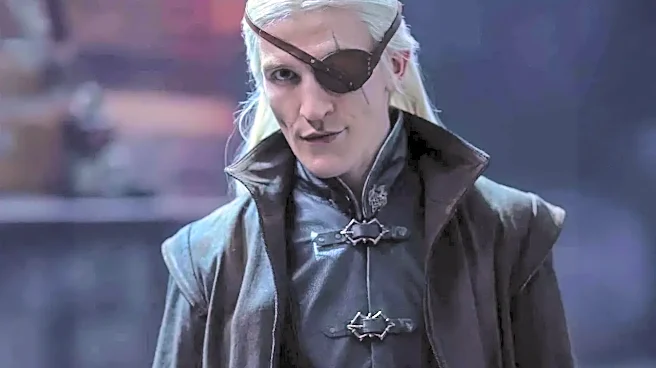
She spoke of Aemond losing an eye long before it happened. She warned of a threat from "rats" just before the assassins known as Blood and Cheese, one of whom was a ratcatcher, infiltrated the castle. Her most famous prophecy—"spool of green, spool of black, dragons of flesh, weaving dragons of thread"—was a perfect, poetic summary of the entire Targaryen civil war before it even began. Yet, her family dismisses her insights as the ramblings of a peculiar woman. They see her but don't hear her, treating her more like a fragile decoration than a person with a powerful, dangerous gift. This consistent dismissal is the bedrock of her character: she holds the keys to the future, but no one thinks to ask her for them.
The Nightmare of Blood and Cheese
The turning point for Helaena, and arguably the entire season, was the horrific event known as "Blood and Cheese." As revenge for Lucerys Velaryon's death, Daemon Targaryen sent assassins to claim "a son for a son." They didn't find their intended target, Aemond, but instead cornered Helaena with her young children. In a moment of unimaginable cruelty, they forced her to identify her male heir, Jaehaerys, only to murder him in his bed. The show wisely changed the scene from the book's even more monstrous "Sophie's Choice" moment, but the impact remains the same: it shattered Helaena. This trauma didn't just break a mother; it created a political weapon for the Greens, who paraded her grief through the streets to turn public opinion against Rhaenyra. But for Helaena herself, the event was a crucible. It stripped away her innocence and plunged her into a catatonic state of grief, leaving audiences to wonder if the woman who emerged would be the same one who went in.
A Performance Forged in Silence
Phia Saban’s performance post-trauma has been a masterclass in stillness. Helaena has withdrawn so completely that her silence feels louder than any scream. Even George R.R. Martin has praised Saban for bringing a depth to the character that wasn't present in his original text. Where the book describes a pleasant but simple queen, Saban gives us a complex, neurodivergent woman trapped in a world that refuses to accommodate her. Her vacant stares and muted reactions are not signs of weakness, but of a psyche pushed to its absolute limit. Is this withdrawal a permanent shattering, or is it a cocoon? In her quiet, Helaena is observing, processing, and perhaps, for the first time, understanding the true nature of her visions and the monsters who share her home. Her recent, shockingly direct prophecy to Aemond about his death at the God's Eye shows a newfound clarity and control over her abilities, suggesting something has fundamentally changed within her.
The Wild Card in the Finale
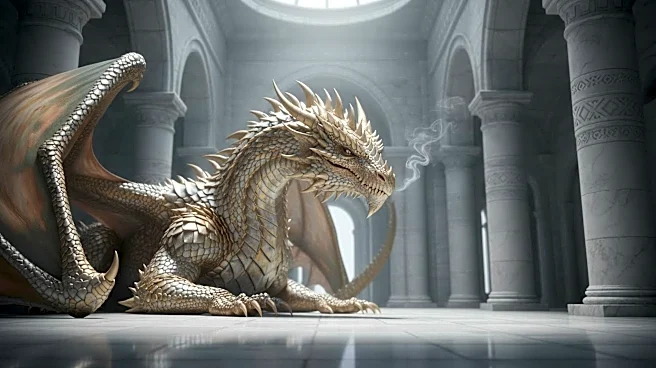
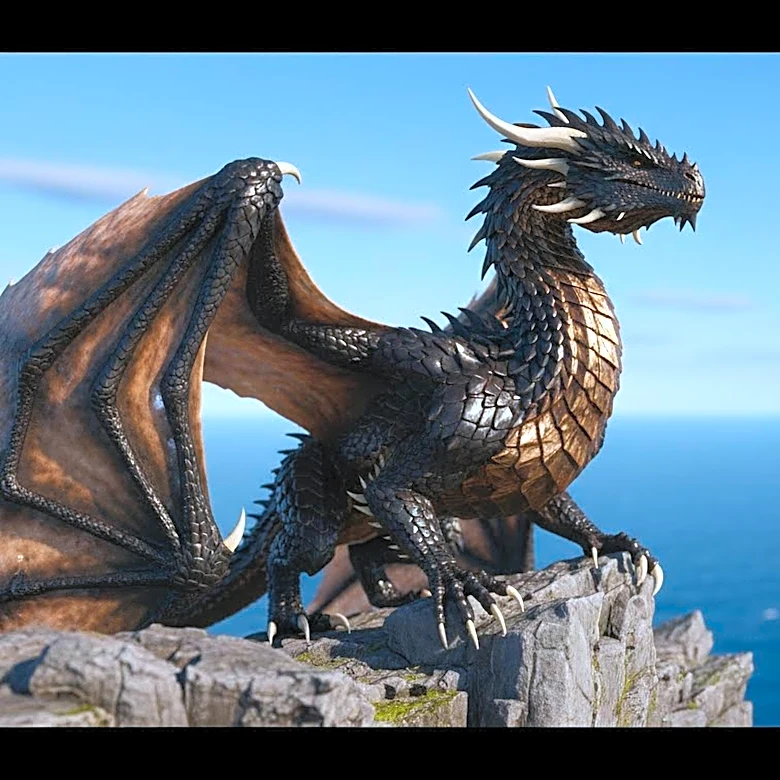
So, how does a broken queen become the key to the finale? Her power lies in her unpredictability. Every other major player—Rhaenyra, Daemon, Alicent, Aemond, Aegon—is locked in a predictable dance of ambition and revenge. Helaena is the only one operating on a different plane. She has no desire for the Iron Throne. She has no grand military strategy. What she has is the truth, delivered through her visions, and a dragon, Dreamfyre, who she has been reluctant to ride. What if she's finally pushed to act? A single, lucid prophecy uttered at the right moment could derail a coronation or expose a lie that unravels an entire faction. What if the trauma she endured didn't just break her, but reforged her? A Helaena who has lost everything is a Helaena with nothing left to fear. Her next move—whether it's a spoken word or taking flight on Dreamfyre—could be the one thing that neither the Greens nor the Blacks have planned for, making her the ultimate wild card in this brutal game.