







1978: The Word-of-Mouth Platform Release
John Carpenter’s original 'Halloween' was the quintessential sleeper hit, made for a shoestring budget of around $300,000. It was an independent production, meaning it lacked the marketing muscle of a major studio. Its distributor, Compass International
Pictures, couldn't afford a massive nationwide rollout. Instead, they used a 'platform release' strategy. The film opened in just a few cities in late October 1978. Its success wasn't instantaneous; it depended entirely on audience reaction. As buzz grew, it slowly expanded to more theaters over several months. This model relied on critics and word-of-mouth to build momentum, with audiences discovering the terrifying, low-fi masterpiece and telling their friends. It played for months, eventually grossing an astonishing $70 million worldwide, making it one of the most profitable independent films ever made.
2018: The Front-Loaded Blockbuster Event
By contrast, David Gordon Green’s 2018 'Halloween' was a studio-backed event film from Universal Pictures and Blumhouse Productions. Produced for a lean $10 million, it was designed for a completely different theatrical landscape. The strategy was a 'wide release'—opening on nearly 4,000 screens simultaneously. The goal was no longer to build an audience over months, but to capture a massive one in a single weekend. Fueled by a multi-million dollar marketing campaign that leveraged nostalgia and the return of Jamie Lee Curtis, the film exploded out of the gate. It earned over $76 million in its opening weekend alone, instantly surpassing the entire domestic run of the original. This front-loaded model is the modern blockbuster standard, where opening weekend figures are paramount and seen as the primary measure of a film's success.
The Theatrical Landscape Shift
The fundamental difference in these models reflects a tectonic shift in movie exhibition. In 1978, the multiplex was still emerging, and drive-ins and single-screen theaters gave films longer runs. A movie could play for months, slowly accumulating its gross. By 2018, the industry was dominated by multiplexes that demand a constant churn of new products. A film has a very short window to prove its worth before being replaced by the next weekend's big release. This environment makes the slow-burn platform release far riskier for a major film, favoring the guaranteed attention of a wide opening.
Marketing and Audience Expectations
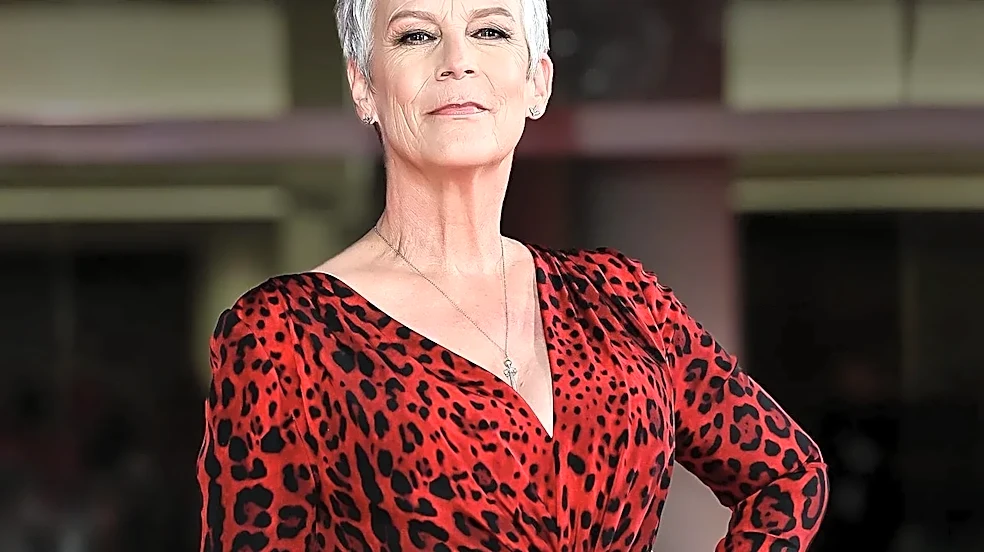
Marketing in 1978 consisted of a chilling poster and the hope that local critics would give it a good review. Its mystique helped build its legend. In 2018, the marketing campaign was a global operation. Trailers dropped months in advance, social media was buzzing, and Jamie Lee Curtis appeared on talk shows, all creating a sense of a must-see cultural event. This shift is also about managing risk. A modern studio spends tens of millions on advertising and needs to see an immediate return. The 2018 film wasn't just a movie; it was a carefully branded piece of intellectual property being reactivated for maximum profit, becoming the highest-grossing slasher film of all time in unadjusted dollars.