







From Wool Sweaters to Fan Replicas
It wasn’t always this way. For much of the 20th century, football kits were exactly that: kits for playing football. Early players wore heavy wool or cotton shirts, designed for durability, not style. Fans in the stands wore their everyday clothes. The
idea of selling a version of the team's shirt to a supporter was a commercial afterthought. The turning point came in the 1970s. As color television brought the game to a wider audience, savvy clubs and manufacturers saw an opportunity. In 1973, English club Leeds United, in a deal with the brand Admiral, became the first to design and market replica shirts specifically for fans. It was a revolution. Suddenly, you could wear the same colors as your heroes.
The Commercial and Design Explosion
The 1980s and 90s poured gasoline on the fire. The introduction of shirt sponsorships—pioneered in Germany in 1973—turned jerseys into moving billboards, generating huge revenue for clubs. This commercial incentive, combined with new synthetic fabrics like polyester, allowed for wilder and more intricate designs. The once-plain shirts of the past gave way to the bold geometric patterns and audacious graphics that defined the era. These weren't just team uniforms anymore; they were collectible pieces of design that captured the swagger of the decade's biggest stars, like Ronaldo and Zinedine Zidane. The jersey was becoming an icon in its own right.
Crossing Over into Streetwear
For decades, wearing a jersey off the pitch was a clear statement of allegiance. But in recent years, that boundary has blurred completely. A trend, playfully dubbed "blokecore" on social media, has seen soccer jerseys adopted as a legitimate fashion staple. The term, a nod to the British slang for a regular guy ("bloke"), describes a style rooted in 90s UK football culture: a jersey, baggy jeans, and retro sneakers. Propelled by TikTok and embraced by celebrities like Bella Hadid and Rihanna, the look went global. Vintage kits became sought-after grails, and luxury brands like Balenciaga even put their spin on football shirts, cementing their place in high fashion.
The American Embrace
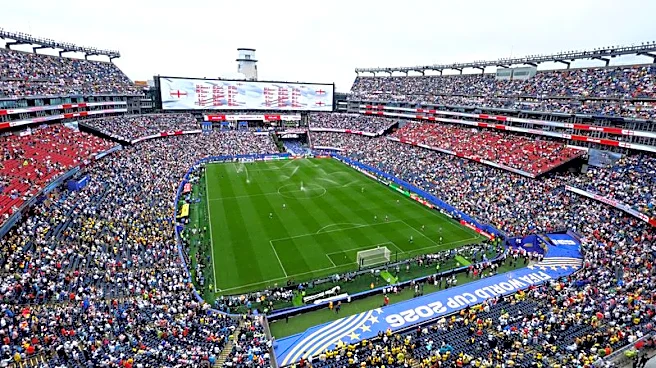
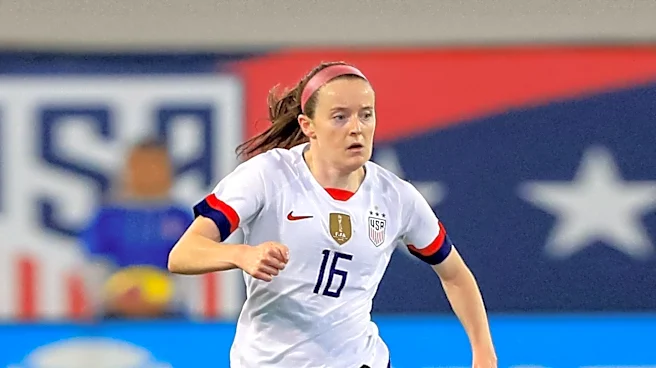
In the United States, this trend has coincided with soccer's own steady rise into the mainstream. For years, the American sports landscape was dominated by football, basketball, and baseball, whose jerseys have a different cultural space. But the growing popularity of Major League Soccer, the massive success of the U.S. Women's National Team, and the increasing visibility of global superstars have changed the game. Events like the 2026 World Cup, hosted on home soil, have supercharged this phenomenon. The soccer jersey is no longer a niche item for devoted fans; it's a versatile, stylish, and accessible way for Americans to connect with a global community and express their identity.