

Question 1: Does It Have a Distinct Voice?
Before anything else, a film has to feel singular. Programmers watch countless films, and the ones that stand out have a clear, undeniable authorial stamp. It isn't about being weird for the sake of it; it's about confidence and vision. A programmer like
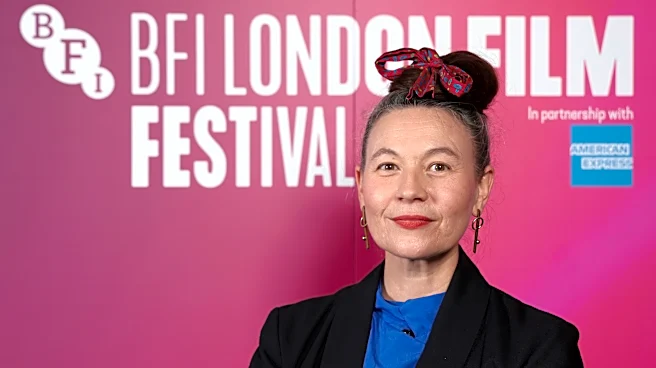
Isabel Moir of the LFF is always looking for filmmakers with a 'distinct creative voice'. Whether it’s a debut from a new director or the latest from an established master, the film must feel like it could only have been made by that specific person or team. It’s the difference between a competent, by-the-numbers genre movie and one that uses the genre’s conventions to say something new. They're searching for a story told with such conviction that it commands attention. A film that passes this part of the test feels fresh, memorable, and necessary.
Question 2: Does It Speak to the Current Moment?
A great festival program is a snapshot of the world in that given year. Even a historical drama or a futuristic sci-fi film must connect with contemporary anxieties, hopes, and conversations. As Festival Director Kristy Matheson notes, she looks for films where the 'tumults of the era live inside our programme'. Programmers are asking: 'Why this film, and why now?' The goal is to find movies that resonate with what audiences are feeling and talking about. This doesn’t mean every film has to be overtly political, but it must have a cultural pulse. It needs to engage with the world, whether through exploring themes of community, tackling moral quandaries, or simply providing a much-needed dose of cinematic joy in complicated times. A film that feels disconnected from the present is unlikely to make the final lineup.
Question 3: Will It Start a Conversation?
Festivals thrive on buzz. Programmers aren’t just picking films they personally love; they're curating experiences that will get people talking. The ideal festival film is one you can’t wait to dissect with friends over a drink after the screening. It might be thrilling, challenging, hilarious, or devastating, but it cannot be forgettable. Programmers often speak of looking for films that will appeal to different tastes and surprise audiences, encouraging them to take a risk on something new. The goal is to build a program where a star-studded gala premiere can exist alongside a quiet, experimental documentary, with both generating passionate debate. A movie that elicits a strong reaction—love it or hate it—is often more valuable to a festival lineup than a pleasant but forgettable one.
Question 4: Does It Expand the Idea of Cinema?
Top-tier festivals like the BFI London Film Festival see themselves as champions of cinema as an art form. Because of this, programmers are often on the hunt for films that push boundaries. This can mean experimenting with narrative structure, pioneering new visual techniques, or blending genres in unexpected ways. The festival’s 'Experimenta' strand, for example, is dedicated to films by artists that challenge traditional cinematic forms. While not every film needs to reinvent the wheel, the programmers are looking for work that demonstrates ambition and a deep engagement with the medium itself. They want to showcase not just where cinema is, but where it's going. A film that plays it safe might be good, but a film that takes a bold risk and succeeds is the kind of discovery that makes a festival special.
Question 5: How Does It Fit Into the Broader Puzzle?
No film is selected in a vacuum. The final, and perhaps most difficult, part of the test is figuring out how a single movie fits into the festival as a whole. Programmers think like DJs crafting the perfect setlist. They need balance: a mix of genres, countries, tones, and perspectives. They might have two brilliant horror films but only one slot left in that section. They ask themselves, 'What’s missing? Do we have enough comedies? Are we representing this region of the world?' According to programmers, this stage involves a lot of debate and strategic thinking to ensure the final program feels cohesive and comprehensive. A film might be fantastic on its own merits, but if it's too similar to three other films already selected, it might not make the final cut. It’s a complex puzzle of balancing audience expectations with the festival's mission to discover and surprise.