
Chapter 1: The Broken Dream at Home (2014)
The 2014 World Cup in Brazil was supposed to be Neymar’s coronation. At just 22, he was the charismatic face of a nation desperate to win on home soil. He delivered, scoring four goals and carrying a flawed
team on his young shoulders. Then came the quarter-final against Colombia. In the 88th minute, a clumsy knee in the back from Juan Zúñiga fractured a vertebra in Neymar’s spine. The injury didn’t just end his tournament; it nearly paralyzed him. Without their talisman, a shell-shocked Brazil was psychologically dismantled, suffering a humiliating 7-1 semi-final loss to Germany. Neymar could only watch in tears from home, his nation’s dream turning to dust in the most brutal fashion imaginable. The first chapter of his frustration was written not in failure, but in helplessness.
Chapter 2: The Villain Arc in Russia (2018)
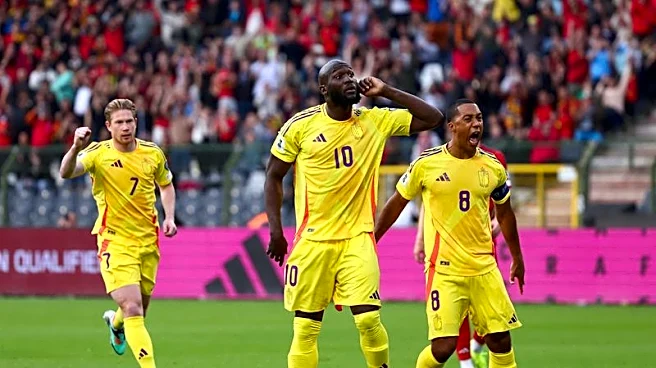
Neymar arrived at the 2018 World Cup in Russia after racing back from a broken foot. The pressure was immense, and it showed. While he scored and assisted, his tournament is best remembered for his on-field theatrics. His tendency to embellish fouls became a global meme, with critics and fans alike mocking his dramatic rolls. This narrative overshadowed his actual play, painting him as a petulant prima donna rather than a warrior. Brazil’s tournament ended in the quarter-finals against a brilliant Belgian side, with Neymar unable to conjure the magic needed to break them down. He left Russia not as a hero who valiantly fought through injury, but as a punchline. The frustration was no longer just about injury; it was about a tarnished reputation.
Chapter 3: The Weight of the “Hexa” (2022)
The 2022 World Cup in Qatar felt different. Neymar, now 30, was more mature. He spoke openly about it potentially being his last tournament and his singular focus on winning Brazil’s sixth World Cup—the “Hexa.” The team was arguably the strongest it had been in his era. Then, disaster struck again. In the opening match against Serbia, a rough tackle left him with a badly swollen ankle and ligament damage. It was a familiar, sickening script. For a week, it seemed his tournament was over before it had truly begun. He missed the next two group-stage games, working around the clock with the medical team to have any hope of returning for the knockout rounds. The weight of a nation’s hope rested on one fragile ankle.
Chapter 4: The Cruelest Finish (2022)
Neymar made a miraculous return for the knockout stage, scoring a penalty against South Korea and looking sharp. Then came the quarter-final against a stubborn Croatia. After 105 minutes of scoreless, agonizing tension, Neymar produced a moment of pure genius. He weaved through the Croatian defense, rounded the goalkeeper, and blasted the ball into the roof of the net. With that goal, he tied Pelé’s official record as Brazil's all-time leading scorer. It was a historic, legacy-defining moment that seemed to punch Brazil’s ticket to the semis. But with just four minutes left, Croatia scored a deflected equalizer. The game went to penalties. As the designated fifth taker, Neymar could only watch as Rodrygo’s shot was saved and Marquinhos hit the post. He never even got to take his kick. The ultimate hero moment was snatched away by the cruellest of sporting fates.
Chapter 5: The Unwritten Final Chapter
After the Croatia loss, a devastated Neymar admitted he was psychologically destroyed and unsure if he would play for the national team again. The image of him sobbing uncontrollably on the field encapsulated a decade of World Cup pain. For a player who has won nearly every major club trophy, the one that defines Brazilian greatness remains painfully out of reach. His career has been a story of immense talent haunted by terrible luck, from a broken back to a broken spirit. While he has since returned to the national team, the question looms: will he, at age 34, get one more shot at redemption in 2026? Or is his World Cup story destined to be a tragedy—a tale of the king who could never claim his crown?