






1. Set Expectations, Not Alarms
First, the soccer obsessive must make a concession. You cannot watch every single game. Forcing a partner who doesn't care about a scoreless draw between two teams they've never heard of to sit through 90-plus minutes is a relationship foul. Instead,
have a pre-weekend huddle. The expert picks the two or three must-see matches—the big rivalry, the do-or-die knockout game, the one with the superstar player. This turns an overwhelming 12-hour soccer marathon into a few manageable, high-stakes appointments. The novice agrees to give these select games their attention, creating a pact built on mutual respect for each other's time and sanity. This isn't about surrendering the remote; it's about curating the experience.
2. Pick a Side, Any Side
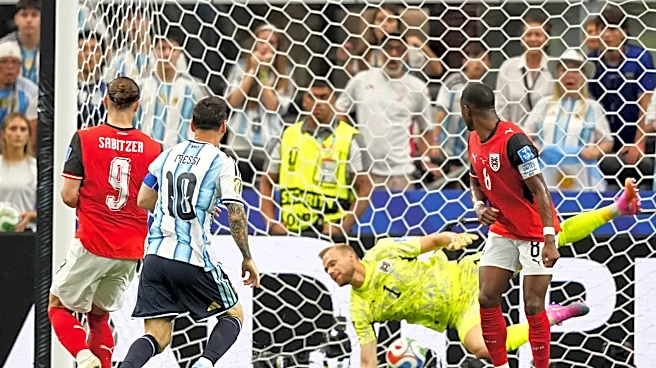
The fastest way to make a sport interesting is to have a horse in the race, even a randomly chosen one. For the newcomer, this is the moment to get superficial. Do you like their flag? Does their star player have great hair? Is their national dish something you enjoy? Go with it. England, France, Brazil, Argentina—these are all solid, popular choices with compelling players. Or, go for an underdog story. Rooting for a team, any team, provides an emotional anchor. Suddenly, a missed shot isn't just a ball going wide; it’s a personal tragedy. A goal isn't just a point; it’s a moment of collective triumph. This shared emotional investment is the glue that will hold the weekend together.
3. The Two-Minute Rulebook
The expert’s biggest mistake is trying to explain everything. Nobody wants a lecture on the subtle nuances of a 4-3-3 formation during a fast break. For the novice, here’s all you really need to know to follow along: 1) The goal is to get the ball in the other team's net. 2) You can't use your hands (unless you're the goalie). 3) Offside is a real rule, but don’t worry about it; just trust that when the crowd groans and the ref blows the whistle, it was probably that. If the expert can limit their “coaching” to explaining a crucial penalty or a red card, the novice will be far more likely to ask questions when they're genuinely curious.
4. The Snack Game Is the Real Game
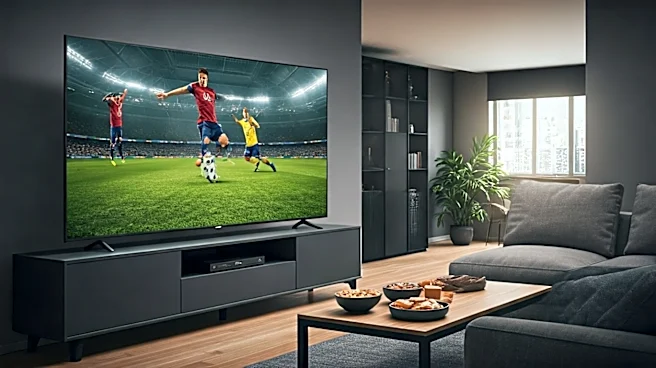
This is where the true teamwork happens. The single most effective way to make any viewing experience better is with exceptional food and drink. This is your chance to turn the living room into a world-class pub. If you’re watching Italy, get some quality pizza or build a charcuterie board. If Germany is playing, it’s a perfect excuse for pretzels and good beer. Watching Argentina? Maybe it's time to fire up the grill. The game on the screen can be the excuse for the feast on the coffee table. This tactic elevates the event from “watching my partner’s boring sport” to “having a fun, themed culinary experience.” Food is a universal language, and it pairs perfectly with the world’s game.
5. Find the Human Story
Tactics are for superfans; stories are for everyone. Every game is packed with human drama that’s more compelling than Xs and Os. The expert's job is to be the storyteller. Point out the aging legend playing in his last-ever tournament. Explain the history behind a bitter rivalry that goes back decades. Highlight the young, breakout star who came from nothing. These narratives transform players from anonymous figures into characters in a drama. Is the goalie trying to redeem himself after a famous mistake? Are two teammates who play for rival club teams now united for their country? Following these plotlines is like watching a high-stakes reality show where the ending is unscripted.
6. Permission to Be Distracted
Let’s be realistic: a newcomer’s attention will wander, especially during lulls in the action. And that’s perfectly fine. The novice should feel free to have a book, scroll through their phone, or half-listen while doing something else. The goal is shared presence, not undivided attention. The expert, in turn, needs to be okay with this. A successful weekend isn't measured by converting the non-believer into a rabid fan. It's measured by the lack of tension and the feeling of enjoying a space together. The magic often happens when the distracted person suddenly looks up and asks, “Wait, what just happened?” That’s an opening, a moment of shared excitement. Don't ruin it by complaining that they weren't paying attention before.