




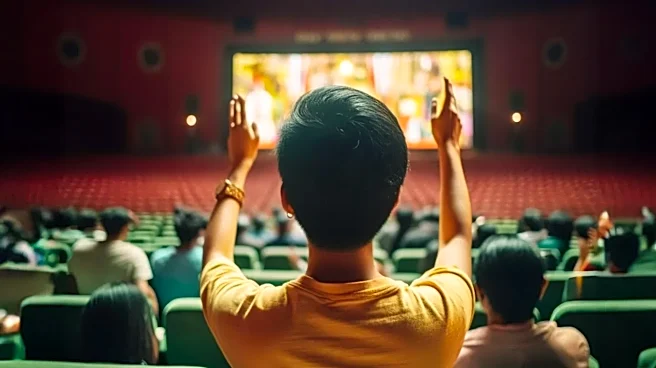
The Impossible Schedule
Imagine trying to watch over 200 feature films, plus shorts and series, in just under two weeks. That's the reality for an accredited journalist or industry buyer at the BFI London Film Festival (LFF). The schedule is notoriously packed, with multiple
must-see movies often screening at the same time in different London venues. These press and industry (P&I) screenings are the backbone of festival coverage, typically running from early morning until the afternoon, when public screenings begin. For a critic on a deadline, choosing between two major premieres can mean missing out on a potential breakout hit. The pressure is immense, and the logistics are a puzzle.
The Hybrid Festival's Secret Weapon
The 'trick' isn't a single clever hack but a strategic approach to the festival's hybrid model. While the glamour lies in attending premieres at venues like the Royal Festival Hall, the real work often happens online. Since the pandemic, major festivals like LFF have bolstered their digital offerings. Accredited press and industry members get access to an LFF digital viewing library, an online portal where a selection of the festival's films are available to stream. This library is the key. While not every film is available online—some distributors or filmmakers opt out for rights or piracy concerns—a significant portion of the catalog is.
Divide and Conquer: Physical vs. Digital
The strategy is to triage. Attendees prioritize their in-person time for screenings that are exclusive to theaters. This includes the major gala premieres, films with A-list talent Q&As, or movies from distributors known for restricting online access. Some high-profile films might only have a couple of P&I screenings during the festival's run, or even only in the pre-festival period. Missing these means missing them entirely. Everything else—the smaller indies, documentaries, and foreign films that are available on the digital platform—gets added to a 'watch later' list. This frees up crucial time in the physical schedule to avoid clashes and reduce the time spent running between cinemas.
The Benefits of the Binge-Watch
By strategically using the digital library, which often remains open for a period after the physical festival ends, journalists can cover far more ground. It turns a frantic 12-day sprint into a more manageable month-long marathon. This allows them to write more thoughtful reviews without the pressure of filing three articles a day. It also gives smaller, less-hyped films a better shot at being seen. A critic who might have skipped a small documentary due to a clash with a major premiere can now catch up with it from their laptop a week later. This approach ultimately leads to broader and more diverse festival coverage.
The Unseen Trade-Off
Of course, this efficiency comes at a cost. The communal experience of cinema—the buzz of a packed theater, the shared gasp or laugh, the spontaneous post-screening debate in the lobby—is lost when watching on a laptop. There is also the risk of technical glitches and the ever-present threat of piracy, which makes distributors nervous and leads to strict anti-piracy measures like watermarking on all digital screeners. While the hybrid model is a logistical godsend for overworked journalists, many still lament the loss of the magic that only happens in a dark room full of strangers, watching a story unfold on the big screen for the very first time.