



The Golden Age and the TV Encore
The tradition's roots stretch back to Hollywood’s Golden Age. Films like 'Miracle on 34th Street' (1947) and 'White Christmas' (1954) established the festive film genre. Yet, it was television that turned these movies into annual traditions. Frank Capra’s
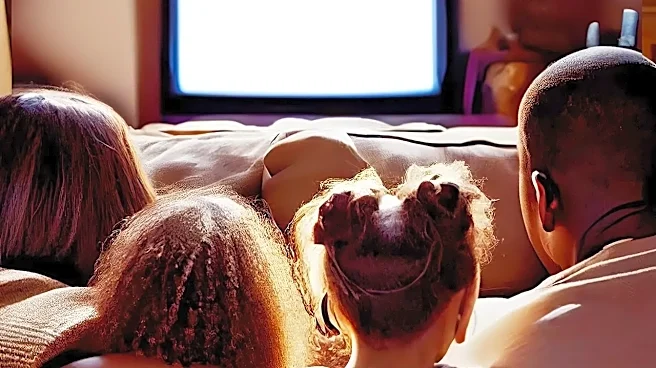
'It’s a Wonderful Life' (1946), initially a box office disappointment, found its iconic status through repeated TV airings in the 1970s and 80s after its copyright lapsed, making it cheap for stations to broadcast. This, along with animated specials like 'Rudolph the Red-Nosed Reindeer' (1964) and 'A Charlie Brown Christmas' (1965), cemented the idea of appointment viewing during the holidays, gathering the family around the television set for a shared experience.
The Rise of the 24-Hour Marathon
The modern concept of a 'marathon' kicked into high gear with cable television. In 1997, the Turner network TNT launched the first '24 Hours of A Christmas Story' marathon, airing the 1983 cult classic 12 times in a row from Christmas Eve to Christmas Day. The idea was a ratings blockbuster. It turned a modestly successful film into a cultural phenomenon and proved audiences had an insatiable appetite for round-the-clock holiday content. This event became a blueprint, demonstrating that a network could 'own' a holiday by providing a constant, comforting stream of festive programming that viewers could dip in and out of throughout their holiday celebrations.
The Hallmark Channel Builds an Empire
No channel understood the marathon's potential better than Hallmark. Starting in the 2000s, and accelerating with its 'Countdown to Christmas' event launched in 2011, Hallmark transformed the holiday movie from a special occasion into a seasonal genre. The network created a powerful, repeatable formula: a big-city protagonist, a charming small town, a handsome local, and a guaranteed happy ending. By producing dozens of new movies each year, all shot efficiently and on modest budgets, Hallmark became the highest-rated cable network among women 25-54 during the fourth quarter. It created a 'safe space' for viewers, offering predictable, low-stress comfort food for the brain that viewers craved during a hectic season.
The Streaming Era: Christmas On Demand
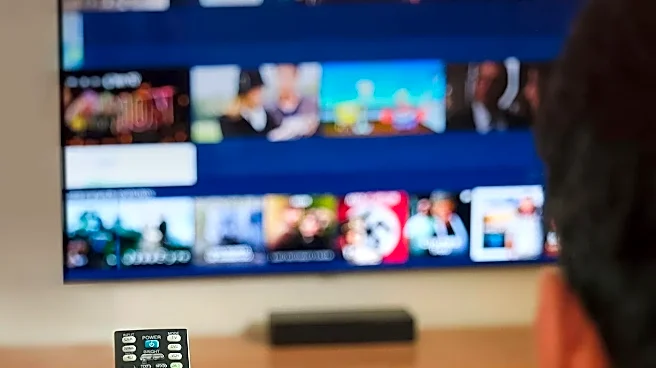
The final evolution of the tradition came with the rise of streaming giants like Netflix, Hulu, and Disney+. Instead of waiting for a scheduled broadcast, viewers could now curate their own marathons on demand. Netflix, in particular, leaned heavily into the Christmas movie space, producing its own slate of originals like 'The Christmas Chronicles' and 'A Christmas Prince.' This new wave diversified the genre, offering bigger budgets, more varied storylines, and more inclusive casting than the cable model. The couch tradition was no longer about tuning in at a specific time, but about having an endless, accessible library of holiday cheer available at the touch of a button, solidifying the movie marathon as a deeply personal and customizable part of the modern holiday experience.