




The scene is familiar: a pile of perfectly good clothes on the bed, the clock ticking, and you, in your underwear, staring into the closet with a sense of impending doom. It’s just a watch party. With friends. So why is it so stressful?
The Spotlight Effect in Your Living Room
There’s a psychological
phenomenon called the 'spotlight effect,' which is our tendency to believe people notice our appearance and behavior far more than they actually do. In a famous study, students who wore an embarrassing t-shirt into a room overestimated how many people noticed it by more than double. Even though you’re just on a friend’s couch, your brain acts like you're walking a red carpet. You feel a spotlight on you, assuming every detail of your outfit will be scrutinized. In reality, your friends are likely more concerned with their own outfits and whether there’s enough dip.
Dressing for the Role You're Watching
Psychologists use the term 'enclothed cognition' to describe how clothing impacts our own thoughts and feelings. The clothes we wear don't just send signals to others; they send signals to ourselves. When you wear a suit, you might feel more authoritative; when you wear athletic gear, you might feel more focused. A fashion awards show is about glamour and artistry. By trying on different outfits, you’re not just trying to impress your friends—you’re trying to find the outfit that makes you feel part of the event. You're dressing for the role of someone who appreciates style, and it takes a few tries to find the costume that feels right.
The Endless Scroll and Decision Fatigue
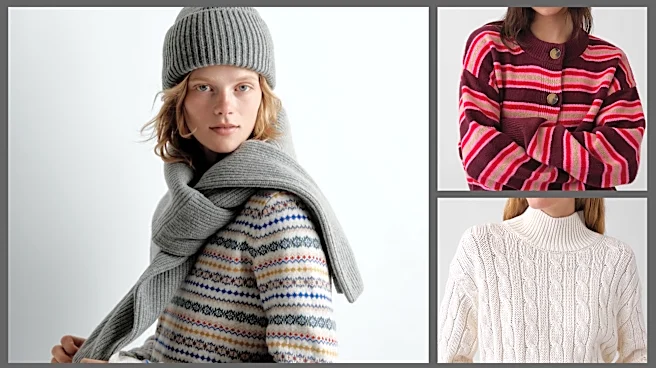
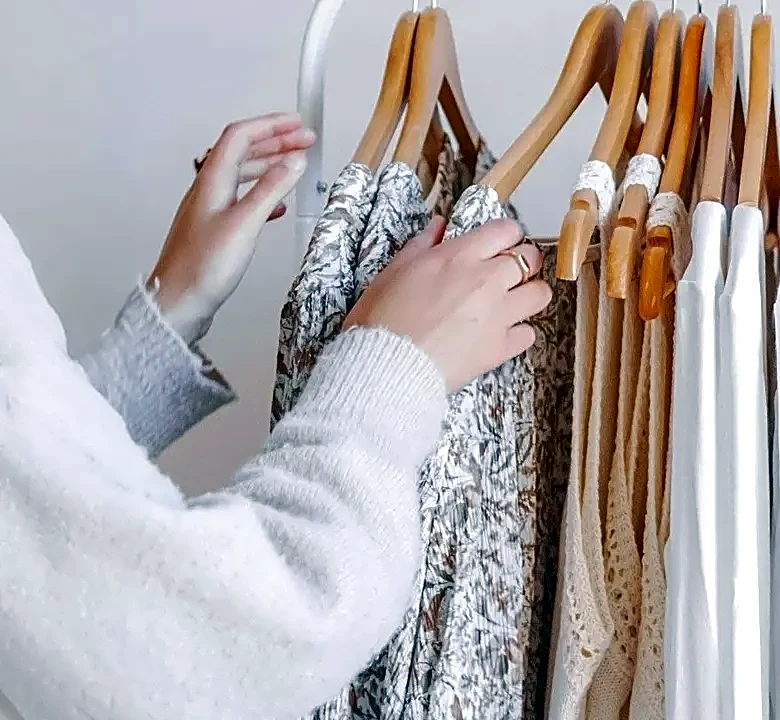
In the age of social media, we are bombarded with style inspiration. Algorithm-driven feeds on platforms like TikTok and Instagram have accelerated trend cycles from seasons to weeks, creating a pressure to keep up. This firehose of microtrends and 'aesthetic blueprints'—like 'office siren' or 'coastal grandmother'—means our wardrobes are filled with more options than ever, leading to what's known as decision fatigue. Decision fatigue is the mental exhaustion from making too many choices. Standing before a full closet is cognitively expensive; your brain has to scan, filter, combine, and compare, and after a while, it just defaults to 'nothing is right'.
The 'Casually Glamorous' Paradox
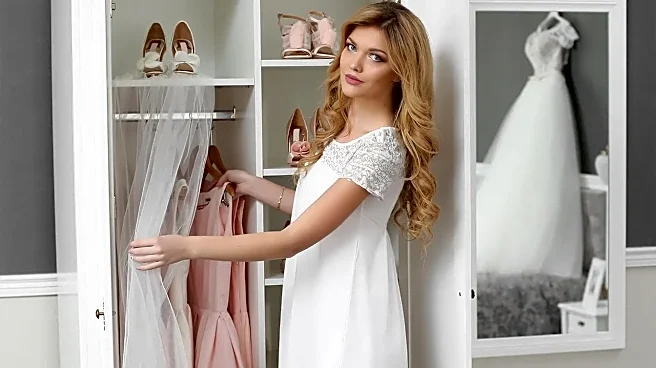
A 'fashion awards watch party' is an event with a fundamentally confusing dress code. 'Party' implies fun and relaxed, but 'fashion awards' suggests high glamour. Should you wear a cocktail dress or elevated loungewear? A statement jacket or a comfortable sweater? This ambiguity is harder to navigate than a strict 'black tie' or 'casual' mandate. Without clear rules, you're left to interpret the vibe yourself, which opens the door to second-guessing. Each outfit you try is an attempt to land on that perfect, elusive balance of chic and effortless, and it's a very small target to hit.