


The Mega-Booth as Spectacle
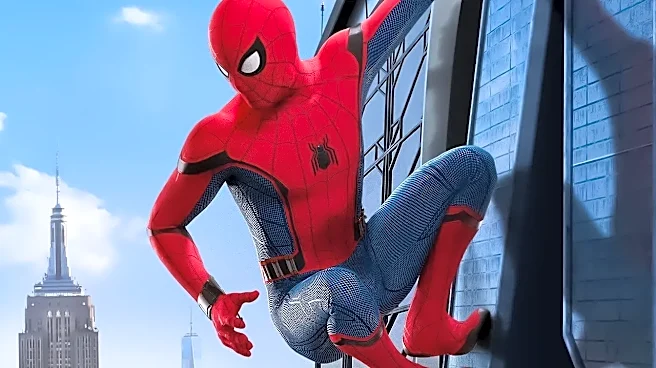
You don't just walk up to the Marvel or DC booths; you enter their worlds. These corporate giants erect multi-level structures that are less retail space and more immersive theme park attraction. Marvel's 2026 presence includes a journey through the world of
its new 'VisionQuest' TV series and a photo op for the next Avengers movie. DC is celebrating its history with a 1950s-themed booth, complete with a 'Daily Planet' newsstand giving away free comics. The strategy isn't just to sell a t-shirt. It's about brand dominance. By creating a must-see destination with photo opportunities, celebrity signings, and live events, they ensure a constant flow of traffic and social media buzz, making their physical footprint feel like the convention's center of gravity.
The Scarcity and Status of Exclusives
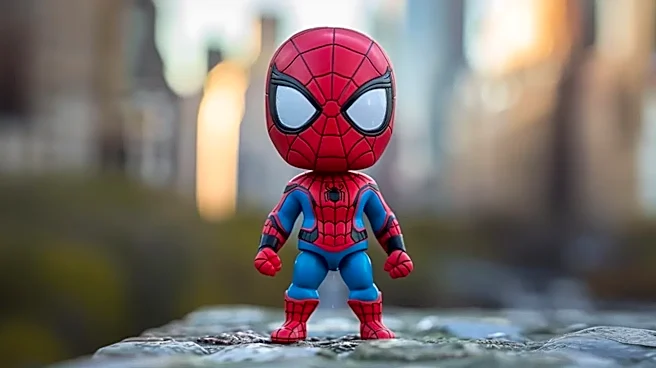
The longest lines at NYCC often lead to a simple transaction for a product that may not even be available anywhere else. This is the calculated magic of the convention exclusive. From Funko Pops with a special '2026 Fall Convention' sticker to limited-edition comic book variants with foil covers, the value is scarcity. For attendees, owning one of these items is a trophy—proof that you were there and a badge of honor within the fan community. For vendors like Heroes & Villains, even giving away a limited number of free, exclusive Marvel tees each morning guarantees a line forming before the doors even open, creating immediate buzz. This manufactured demand turns merchandise into a collectible and a status symbol, a powerful motivator that can drive a significant portion of the event's commerce.
The Artist Alley Counter-Offensive
How does a single artist with a six-foot table compete with a multi-story corporate installation? By offering what the big brands can't: a direct, personal connection. Artist Alley is the creative heart of the convention, where attendees can meet the creators behind the comics and art they love. While a corporation sells a product based on a familiar character, an artist in the alley is selling their unique vision, prints of their original work, and the chance for a real conversation. This is the grassroots alternative to the corporate spectacle. Fans who come here aren't just buying a thing; they are supporting a person. The currency is authenticity, and in a sea of licensed IP, a unique art style and a genuine handshake can be the most effective competitive advantages.
Extending the Booth Beyond the Floor
The competition isn't confined to the Javits Center's physical space. Smart vendors use a mix of digital and guerrilla tactics to capture attention. DC and Funko now use digital lottery and queueing systems to manage demand for their most sought-after exclusives and signings, turning a chaotic line into an organized, app-based experience. Other brands host off-site activations or partner with influencers to build hype. Inside the hall, booths like The Pop Insider lure attendees with the promise of free coffee and constant social media-driven giveaways. By integrating digital tools and creating experiences that extend beyond the point of sale, exhibitors are finding new ways to engage a tech-savvy audience whose attention is constantly divided.