



From Mancunian Rain to Global Fame
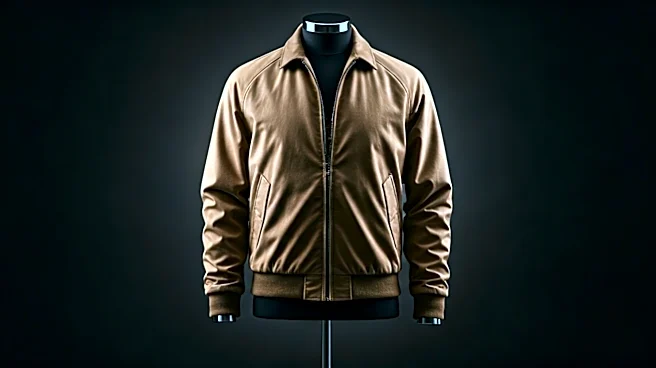
Before it was a fashion statement, the Harrington was a solution. Born in 1937 as the Baracuta G9 in rainy Manchester, England, it was designed for golfers. Its key features were purely practical: a lightweight, water-resistant cotton shell, ribbed cuffs
and hem to keep out the wind, and a distinctive Fraser Tartan lining. The angled, button-flap pockets were perfect for holding two golf balls. The most innovative detail was the 'umbrella' back yoke, designed to channel rain away from the wearer's back. It was a brilliant piece of functional outerwear, embraced by the English working class and sportsmen for its utility. It wasn't 'cool' yet—it was just a really good jacket.
Hollywood's Icon of Effortless Cool
The jacket’s leap from the golf course to global icon status happened in America. In the 1950s and '60s, Hollywood’s leading men adopted the G9 as their off-duty uniform. When Elvis Presley wore a tan model in the 1958 film *King Creole*, its profile skyrocketed. But its ultimate ambassador was Steve McQueen. Photographed in a stone-colored Baracuta on the cover of *Life* magazine and seen wearing it in films like *The Thomas Crown Affair*, McQueen cemented the Harrington as the epitome of a certain kind of masculine cool: understated, rebellious, and effortlessly stylish. It wasn’t trying too hard. James Dean wore a red version in *Rebel Without a Cause*, forever linking the silhouette to teenage angst and anti-establishment swagger. Suddenly, a British raincoat was an American symbol.
The Subculture Uniform
While Hollywood gave it glamour, British subcultures gave the Harrington its edge. In the 1960s, the Mods adopted it as part of their sharp, clean-cut uniform, pairing it with Fred Perry polos and desert boots. It was a practical choice for riding scooters and a subtle act of rebellion against the stuffier suits of the previous generation. Later, it was embraced by skinheads and suedeheads, who valued its working-class roots and tough, no-nonsense aesthetic. For these groups, the Harrington wasn't about Hollywood fantasy; it was about identity. This cross-pollination—from Ivy League preps in the U.S. to British youth movements—gave the jacket an incredibly rich and sometimes contradictory cultural vocabulary.
The Designer's Perfect Canvas
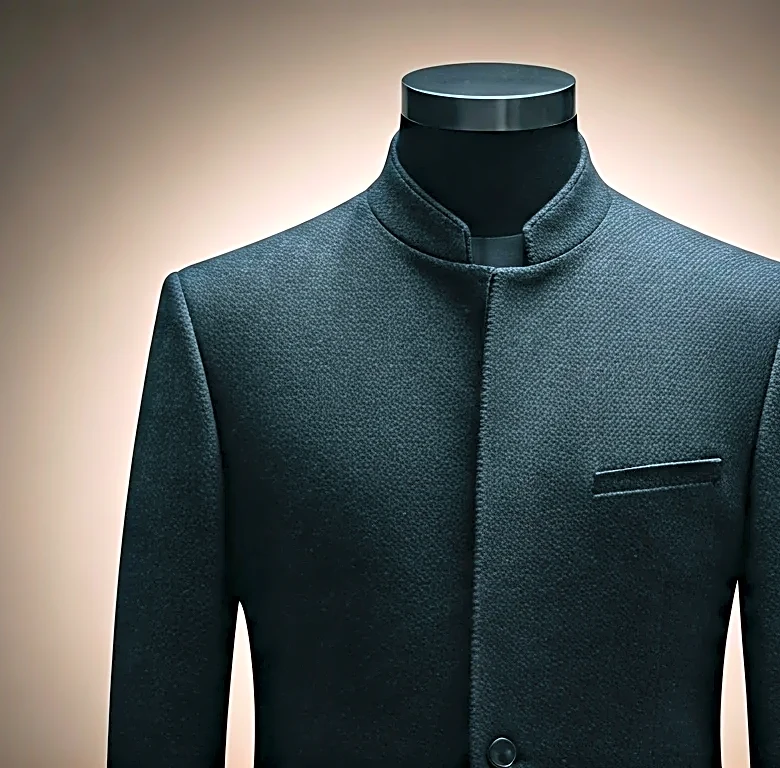
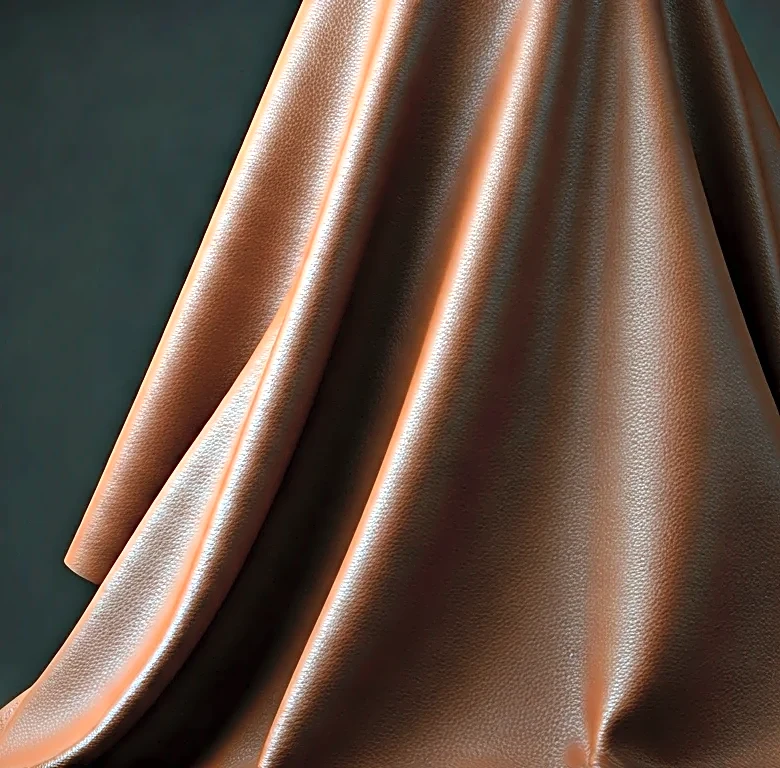
This is precisely why designers in Milan and beyond keep returning to it. The Harrington is not a blank slate; it's a slate covered in fascinating, layered stories. When a designer like Miuccia Prada or the team at Zegna puts a Harrington on the runway, they aren't just showing a jacket. They are tapping into a century of cultural codes. They can play with its history. Rendered in luxe suede, it evokes Steve McQueen’s quiet confidence. Done in shiny, technical nylon, it feels modern and utilitarian. Cropped and sharp, it nods to its subculture past. The jacket’s simple, classic silhouette makes it the perfect canvas for reinterpretation. Designers can change the fabric, tweak the proportions, or exaggerate a detail, but the jacket’s core identity—practical, rebellious, and timelessly cool—always shines through. It allows them to sell a piece of cultural history, updated for a modern luxury consumer.