


The Tyranny of the 30-Minute Set
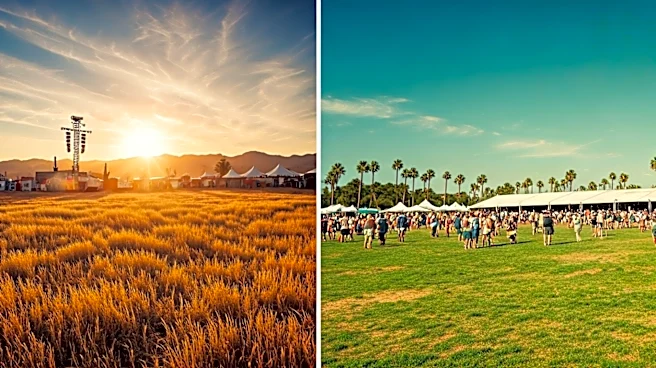
To understand CMA Fest, you have to understand the clock. At its biggest stage, Nissan Stadium, even the genre's titans are given a ruthlessly short window—typically 25 to 30 minutes—to make an impression. This isn't their own two-hour headlining show
with leisurely storytelling and deep cuts. This is a high-speed, high-stakes relay race where the baton is passed from one superstar to the next. The audience, many of whom have been baking in the Tennessee sun for hours attending daytime shows, isn't there for a rambling monologue about how a song was written in a lonely hotel room. They are there for a concentrated dose of musical adrenaline. The festival's structure inherently favors momentum. Any artist who kills that momentum with a three-minute story is working against the very nature of the event.
The Hit-Per-Minute Economy
The most successful performers at CMA Fest operate on a simple principle: maximize the hit-per-minute ratio. They treat their setlist like a DJ mix, seamlessly blending one stadium-sized anthem into the next. Think of artists like Luke Combs or Hardy. Their festival sets are often a breathless sprint through their biggest, loudest, most recognizable songs. The goal is to create a 'Banger Buffet,' where the audience is so busy singing along to a familiar chorus that they don't even notice there hasn't been a break. This approach isn't lazy; it's incredibly smart. It demonstrates a deep understanding of the audience's experience. They know the fan in the top deck of the stadium has been waiting all day for this exact moment, and they respect that by giving them wall-to-wall what they came for: the hits.
When Good Intentions Go Wrong
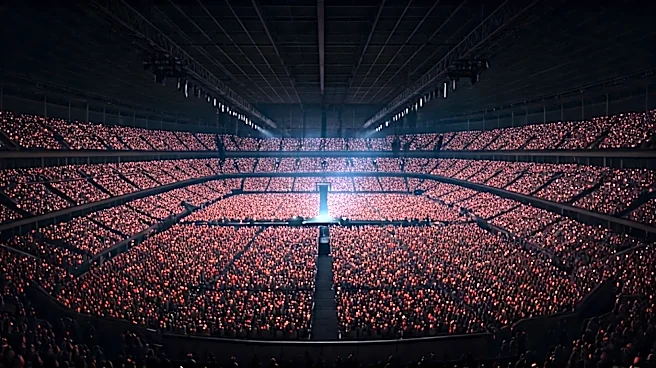
This isn’t to say artists who talk are bad performers. A heartfelt story can be the centerpiece of a headlining tour, creating an intimate bond with thousands. But at CMA Fest, it’s a gamble that rarely pays off. The artist who takes five minutes to introduce a tender acoustic ballad or share a long-winded anecdote risks being the person who killed the party vibe. The energy in a stadium of 50,000 people is a fragile thing. Once it dips, it's incredibly hard to get back. The sound of tens of thousands of people chatting amongst themselves during your heartfelt monologue is a brutal review. The artists who thrive understand the context. They know this isn't the time for the 'VH1 Storytellers' treatment. The story, for these 30 minutes, *is* the string of hits.
A Different Kind of Connection
Some might see this as impersonal, a reduction of artistry to a jukebox function. But that's missing the point. The connection at CMA Fest isn't forged through spoken words; it's forged through shared screams of a chorus. It's a communal, explosive joy. By playing hit after hit, an artist isn't being distant; they are facilitating a massive, collective experience. They are providing the soundtrack for the fans' own festival story. The unspoken agreement is, 'I'll provide the anthems, you provide the energy.' It's a different kind of intimacy—one built not on personal narrative but on the universal power of a song that everyone knows by heart. The most potent phrase an artist can utter isn't a long story, but a simple, four-word question: 'Y'all wanna sing along?'