





The Blueprint and the Takeover
The transformation from public park to festival grounds doesn't happen overnight. Planning is a year-round affair, but the physical takeover begins weeks in advance. The first signs are subtle: street closure announcements and the arrival of fencing.
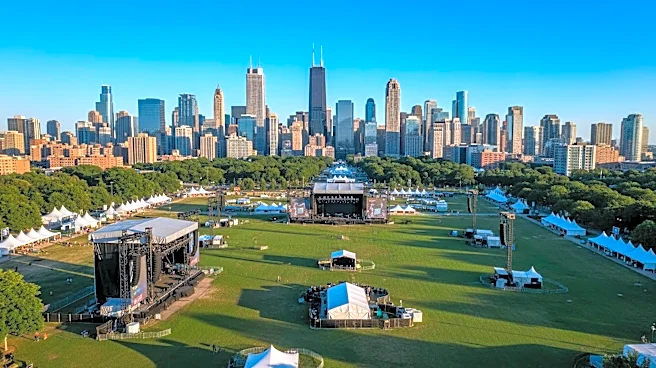
Crews descend on the 319-acre park, cordoning off huge sections to protect landscaping and begin laying the groundwork. This initial phase is crucial for protecting the park itself. Heavy aluminum panels are laid down to create temporary roads for cranes and heavy equipment, preventing the turf from being destroyed before the first stage truss is even hoisted. It’s a carefully choreographed invasion, mapping out the locations for more than 170 artists across eight stages, food courts, and countless other facilities.
Building the City's Infrastructure
A city needs power, water, and communication, and Lollapalooza is no different. One of the most complex parts of the build is creating a utility grid from scratch. This involves rolling in massive generators—increasingly powered by more sustainable biodiesel—to run the stages, lights, and vendor stalls. In 2024, the festival even powered its main stage with a hybrid battery system to reduce emissions. Beyond electricity, hundreds of thousands of attendees need water, sanitation, and medical services. This means installing countless water-refilling stations, rows of portable restrooms, and fully-staffed medical tents that function like mini-hospitals. To handle the massive data demands of 400,000 fans sharing their experience, temporary cell towers are erected throughout the park, ensuring connectivity doesn't grind to a halt.
Raising the Skyline
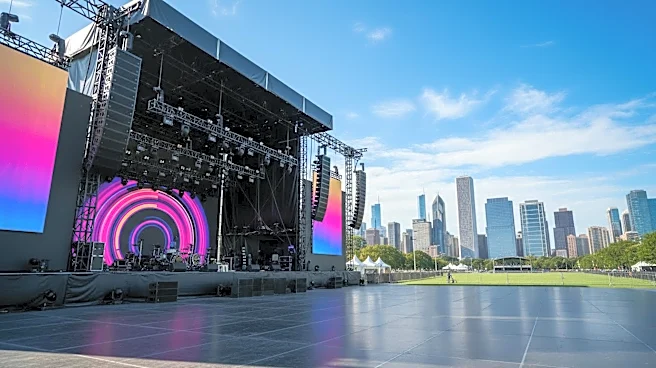
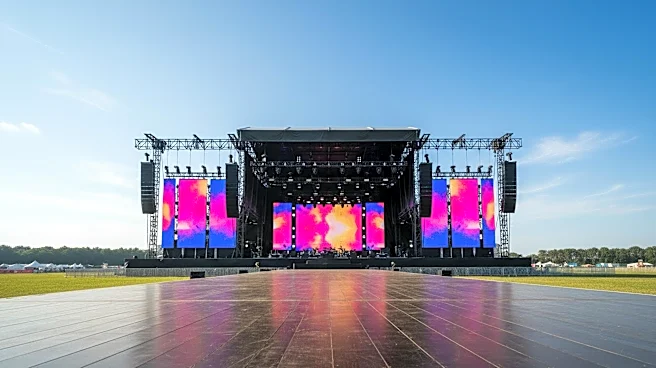
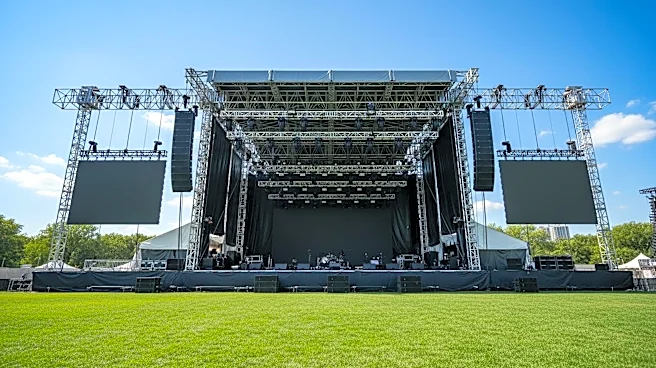
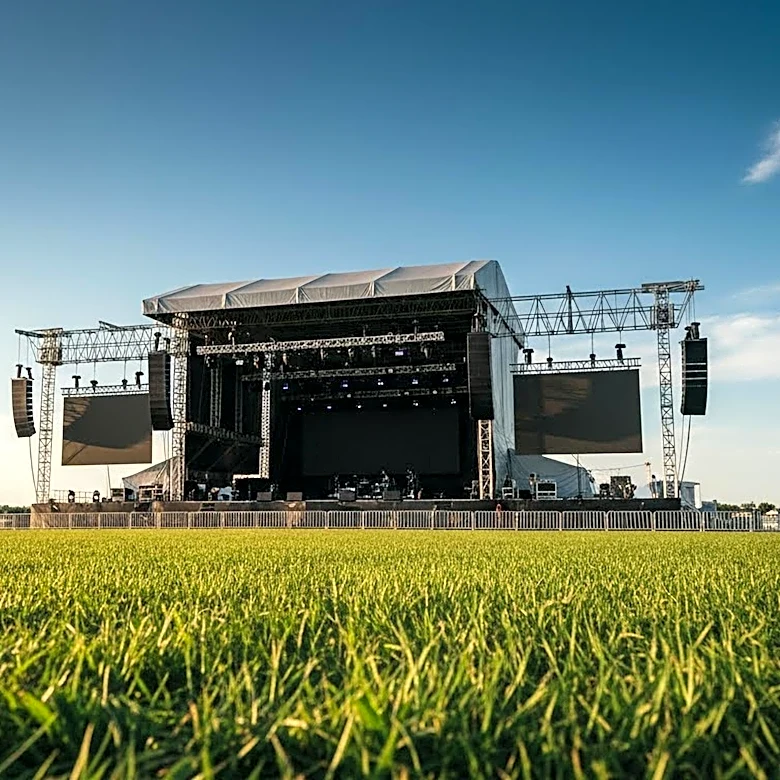
With the infrastructure in place, the festival's skyline begins to rise. Staging companies like Mountain Productions haul in truckloads of steel trusses to construct the massive main stages. These aren't simple platforms; they are complex engineering projects designed to support tons of lighting, video screens, and sound equipment. Crews work around the clock to assemble these behemoths, along with smaller stages, front-of-house mixing positions, and delay towers that ensure sound carries clearly across the vast fields. This process is an intricate dance of logistics, with dedicated managers for each stage coordinating the constant flow of artists and their gear, all of which is moved behind the scenes on a network of golf carts and hidden pathways to maintain the magic for the audience.
The Vanishing Act and Restoration
Just as impressive as the setup is the teardown. The moment the last headliner finishes their set on Sunday night, the cleanup crews move in. The process begins immediately, with teams working through the night to clear trash, dismantle lighting rigs, and begin taking down the stages. What took weeks to build must disappear in a fraction of the time. Once the structures are gone, the focus shifts to restoring Grant Park. This is a costly and meticulous process that Lollapalooza's promoter, C3 Presents, is contractually obligated to fund. Depending on weather and foot traffic, repairs can cost anywhere from a few hundred thousand to over a million dollars. The work involves re-sodding entire fields, replanting shrubs, repairing irrigation systems, and aerating the soil to bring Chicago's 'front yard' back to life for residents.