

It’s All About Proportion, Not Size
The first thing to understand is that this isn't about the actual, physical size of your bag. It’s about visual proportion. A bag never exists in a vacuum; it’s one part of a total look. Its perceived size is entirely relative to the outfit it's paired
with, the occasion, and even your own frame. Fashion stylists refer to this as scale. When the scale is balanced, the look feels harmonious. When it’s off, your eye immediately senses that something is wrong, even if you can't pinpoint why. A tiny bag can look perfectly chic with a slim-fitting dress but completely vanish against a bulky winter coat.
The Silhouette Is Speaking Volumes
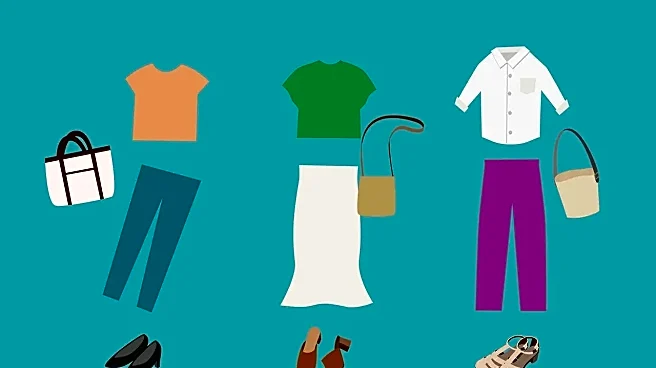
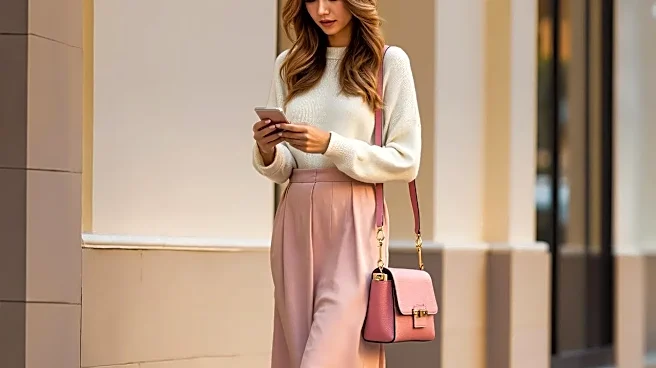
The overall shape, or silhouette, of your outfit is the biggest factor influencing how a bag is perceived. Voluminous clothing requires a bag with enough visual presence to hold its own. Think about a big puffer jacket, an oversized chunky knit sweater, or wide-leg trousers. These pieces create a large silhouette that can easily 'swallow' a delicate mini bag, making it look like an afterthought. Conversely, with sleek, tailored, or form-fitting outfits—like a sheath dress or a simple top with skinny jeans—a smaller, more structured bag can provide a perfect, elegant counterpoint without competing for attention.
Consider the Visual Weight of Fabrics
Beyond shape, the texture and weight of your clothes play a crucial role. Heavy fabrics like wool, tweed, and thick denim have a lot of 'visual weight'. Pairing them with a very small, delicate bag made of a light material like silk or thin leather can create a jarring disconnect. The substantial nature of the clothing makes the tiny accessory feel unbalanced and out of place. A structured leather mini bag, however, has more visual weight than a soft, unstructured one, and can sometimes bridge this gap. Think of it like this: a chunky wool sweater needs a friend that can match its energy, not one that gets lost in the conversation.
Your Own Frame Sets the Stage
The bag's proportion also relates to your own body. While you should wear whatever makes you feel confident, understanding scale can help create a more balanced silhouette. For a taller or curvier individual, a truly micro-sized bag might look disproportionately small and get lost. They can often carry medium to larger bags more effortlessly. For a petite person, an oversized tote can be overwhelming, making smaller to medium-sized bags a more natural fit. The goal is for the bag to look like it belongs with your body, not like you borrowed it from someone of a completely different stature.
The Occasion Sends a Signal
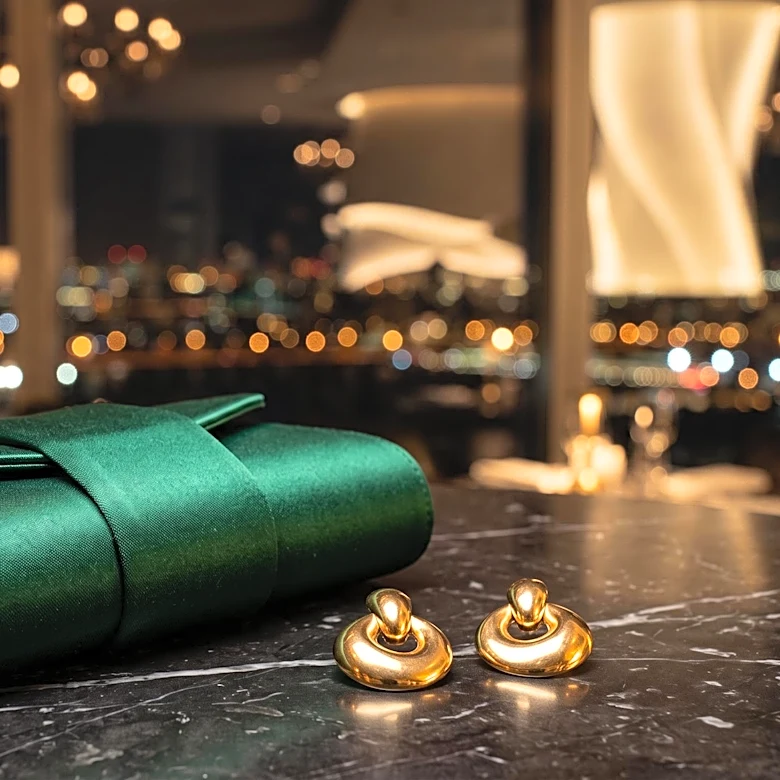
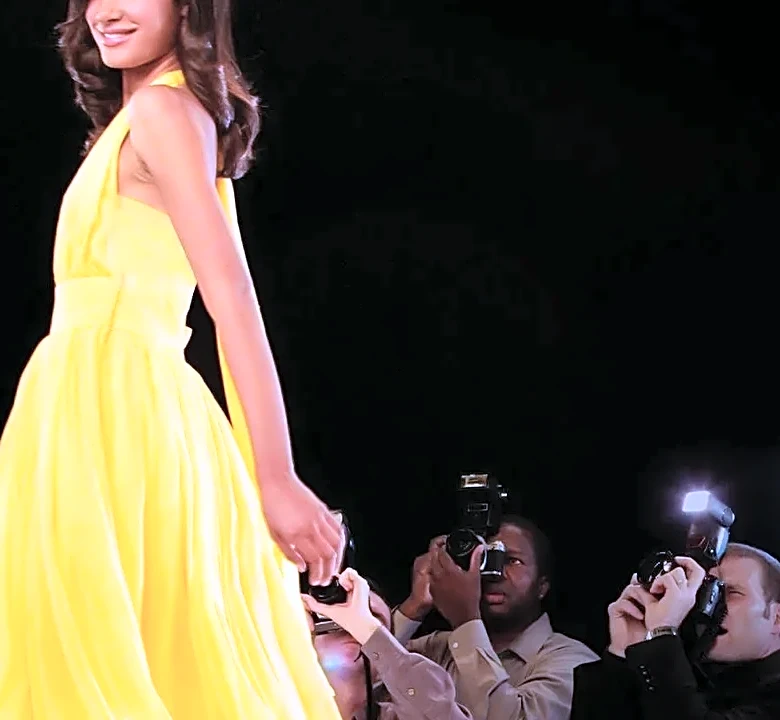
Finally, the context of the occasion matters immensely. A tiny, glittering clutch looks perfectly appropriate with an evening gown for a formal event. In that setting, its job isn't to be practical; it's a piece of jewelry. But take that same clutch and pair it with a casual daytime outfit of jeans and a sweater, and it suddenly looks out of place and functionally too small, even if the proportions are otherwise fine. The bag’s size sends a message about the event. A small bag can signal a brief, light-hearted outing, while a larger tote suggests a full day of work or travel. When the bag’s message clashes with the outfit’s, it feels awkward.