

The Monoculture Water Cooler
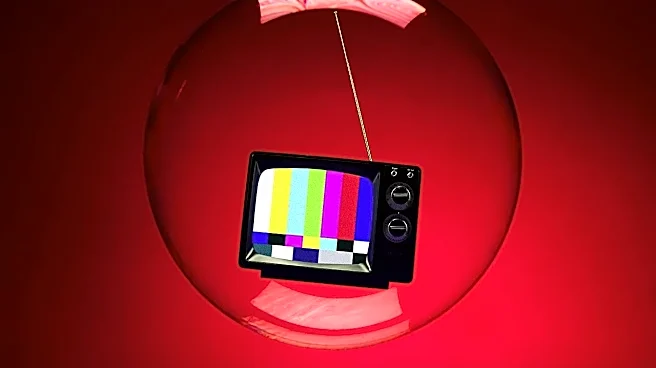
There was a time when the MTV Video Music Awards were the undisputed center of the pop culture universe for one night a year. It was appointment television in its purest form. You had to be on the couch, tuned to MTV, because if you weren’t, you’d miss
the pop culture moments that would define the year. From Madonna’s iconic and controversial performances to Kanye West’s infamous interruption of Taylor Swift, these were shared cultural touchstones. The show’s power wasn't just in the awards, but in its ability to generate unpredictable, must-see television that dominated conversations at school and work the next morning. The experience was linear and universal; everyone saw the same outrageous fashion, the same shocking antics, and the same career-defining performances at the exact same time. The VMA stage was where music history was made, and MTV was the sole gatekeeper of that experience.
The Second Screen Becomes the First
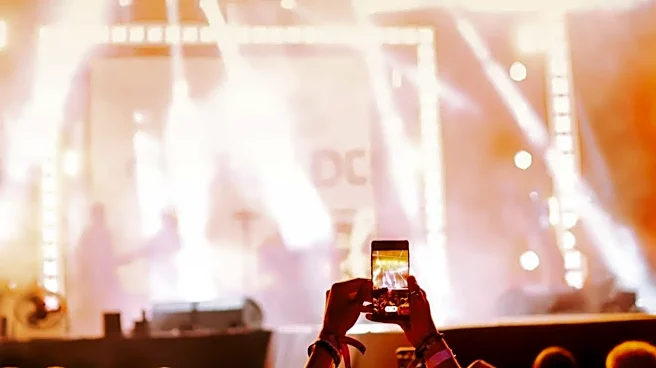
The first crack in this monoculture monolith was the rise of the “second screen.” Initially, social media was a companion to the main broadcast. Viewers would live-tweet their reactions, turning a passive viewing experience into an active, participatory one. But that was just the beginning. Today, for a significant portion of the audience, the second screen has become the main event. Forecasts for 2026 suggest that nearly two-thirds of U.S. social network users now use a second device while watching TV. This behavior has fundamentally altered the power dynamic. Instead of watching the official broadcast on CBS or Paramount+, many now opt for a fan-run livestream on platforms like TikTok or Twitch. In this format, a favorite creator acts as the host, providing real-time commentary, replaying key moments, and fostering a community chat that is often more engaging than the polished, pre-planned main event. The official broadcast has, for many, become background noise to a more interactive and chaotic fan-led experience.
An Award Show in a Million Pieces
This fragmentation means the VMAs are no longer a single show but a galaxy of content. Your experience of the 2026 VMAs depends entirely on your personal algorithm. You might see a performance by an artist like RAYE or Shaboozey hundreds of times because a clip went viral on your feed, while completely missing who won Video of the Year. The official fan voting, once a centralized process on MTV's website, now takes place across platforms like Instagram stories, further splintering engagement. Even MTV has adapted, partnering with TikTok for exclusive awards and content to meet fans where they are. The result is that a shared, simultaneous cultural moment has been replaced by millions of individualized ones. The event's narrative is no longer controlled by MTV's producers but by the collective, chaotic will of the internet.
The Algorithm Is the New VJ
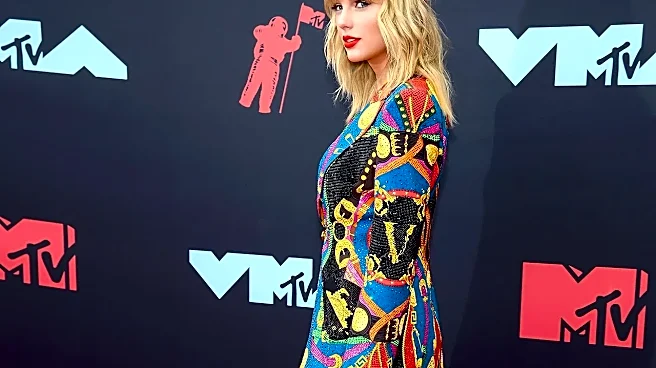
In the heyday of MTV, Video Jockeys (VJs) guided the audience through the world of music. Today, that role belongs to the algorithm. This shift from human curation to algorithmic curation changes the very meaning of the event. While the expansion to broadcast networks like CBS and streaming on Paramount+ has increased the total number of viewers in recent years, the cultural cohesion has dissipated. The 2026 show, for instance, features a powerful lineup with legends like Madonna and Nirvana being honored, alongside current stars like Taylor Swift and LISA. But a fan's personal feed might only show them Taylor Swift's red carpet look or a cryptic clue about her next album, burying Madonna's first VMA performance in 23 years. This creates a viewing experience that is both intensely personal and deeply fractured, where the biggest moments are determined not by their objective importance but by their potential to trend.