

The Spark: Concept and Sketch
Every collection begins not with fabric, but with an idea. Designers find inspiration everywhere: art, history, nature, or even the energy of the street. This initial concept is captured on mood boards and, most importantly, in sketches. These first drawings
aren't about perfection; they're a fast, raw translation of a vision, focusing on the silhouette and emotion of a potential garment. In this early phase, designers are exploring shapes and themes, laying the creative groundwork for the entire collection long before a single stitch is sewn.
The Blueprint: Pattern and Muslin
A two-dimensional sketch becomes a three-dimensional object through pattern making. Expert pattern makers interpret the designer's drawing to create a paper blueprint for the garment. But before cutting into expensive silks or cashmeres, the team creates a test version, called a toile or muslin, from inexpensive cotton. This prototype is crucial. It allows the designer to see the garment's shape, test its volume, and make initial adjustments on a mannequin or fit model, ensuring the core idea works in the real world before committing to the final fabric.
The Crucible: Fittings and Alterations
Fittings are where the garment truly finds its form. This intense, collaborative process involves the designer, pattern makers, sewers, and a fit model. The muslin—and later, the actual garment—is pinned, tucked, and marked up directly on the body. This is a critical stage for refining the fit and ensuring the piece moves as envisioned. For a major show, this can happen multiple times, with each fitting bringing the design closer to perfection. It's often a high-pressure environment, with significant changes being made right up until the final days before the show.
The Final Form: Cutting and Construction
Once the pattern is perfected through fittings, it’s time to cut the final, expensive fabric—a point of no return. This is done in the sample room, a dedicated space staffed by highly skilled sewers and specialists. These artisans construct the garment, a process that can involve intricate sewing techniques, delicate hand-finishing, and the application of embellishments like embroidery or beading that might take hundreds of hours. This is where the paper pattern and bolts of fabric are transformed into a single, beautifully crafted piece of clothing, ready for its public debut.
The Last Mile: Backstage Chaos
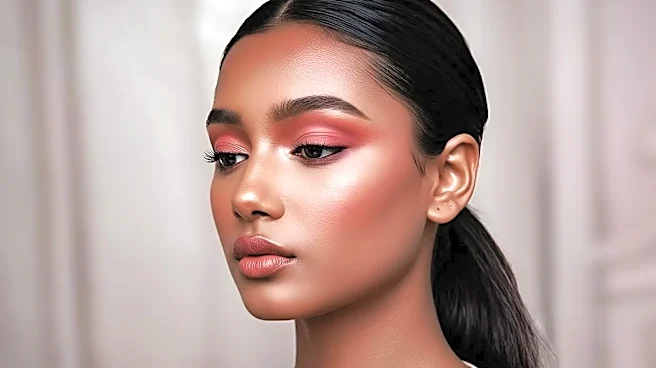
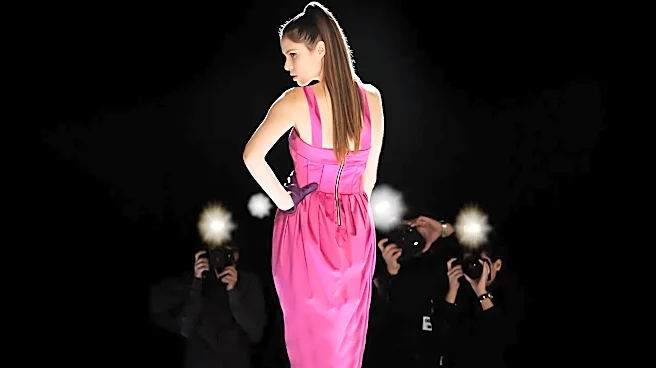
A finished garment is not a finished look. In the hours before the show, a team of stylists works to pair each piece with the right shoes, accessories, hair, and makeup to complete the designer's narrative. Backstage is a scene of organized chaos. Dressers help models with rapid-fire changes, sometimes in under a minute, while on-set tailors handle last-second emergencies like a popped seam or a falling hem. Steamers are in constant use, and the show director choreographs the final model lineup. This final, frantic push ensures every element is perfect before the model steps into the spotlight.