
A Symbol of Status and Stature
Long before 'fast fashion' was a concept, clothing was a direct reflection of your place in the world. During the Medieval and Renaissance periods, fabric was a precious commodity. To have long, flowing, or voluminous sleeves—like the hanging 'tippets'
of the 1400s or wide bell sleeves—was to make a public declaration that you did not need to perform manual labor. These extravagant styles were impractical by design. They communicated a life of leisure and wealth, where your arms were for gesturing, not working. In a very literal sense, the more fabric you could afford to waste on an elaborate sleeve, the higher your status. This idea of the sleeve as a status symbol has never entirely faded; it has simply shape-shifted for the modern era.
The Power of Taking Up Space
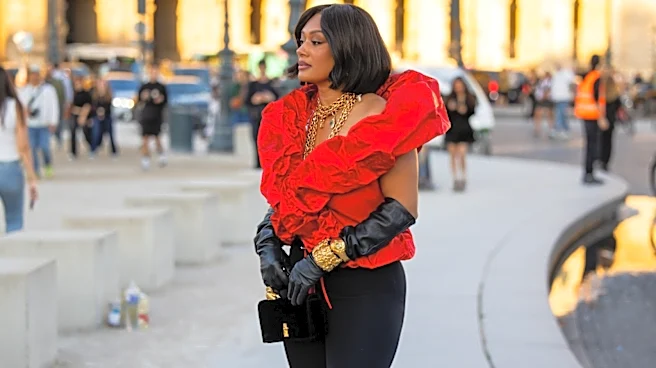
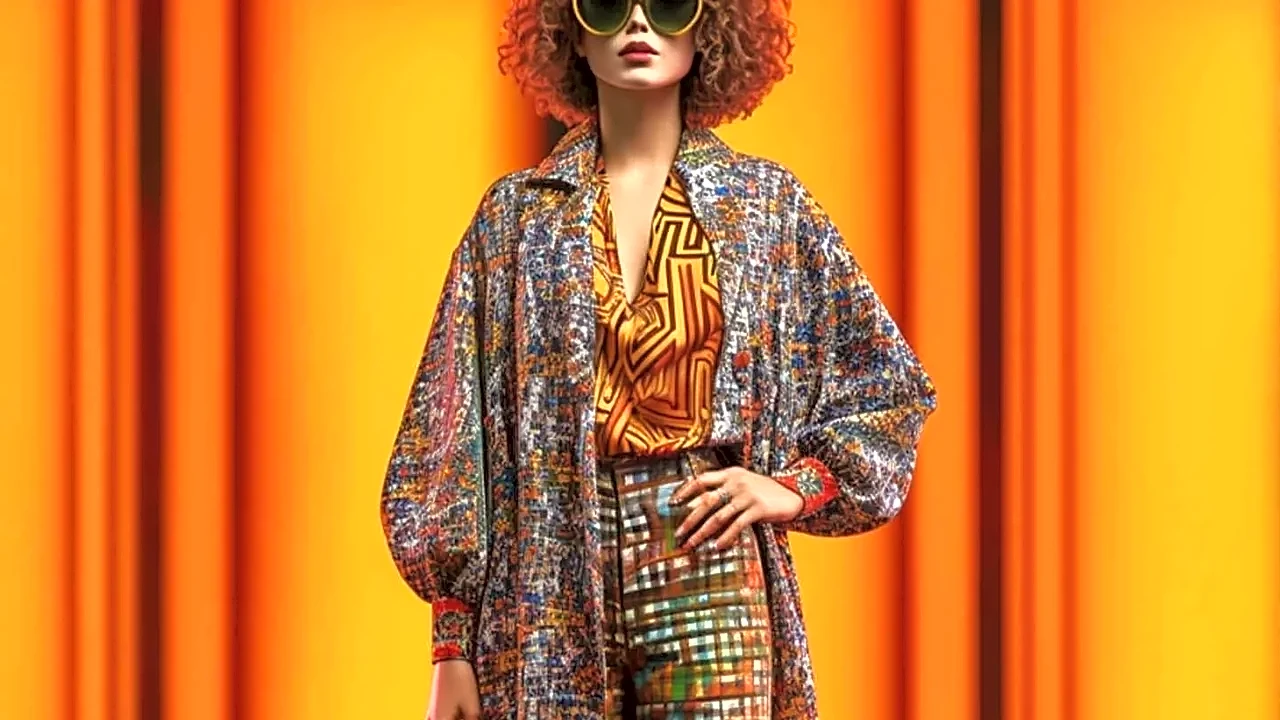
Beyond wealth, the oversized sleeve has always been about claiming physical and visual space. Think of the leg-of-mutton sleeves of the 1890s or the power shoulders of the 1980s; both were historical precursors to today's dramatic sleeve trend. According to fashion psychologists, a voluminous sleeve acts as a modern alternative to the shoulder pad, creating a silhouette of power and drama without directly imitating masculine tailoring. It allows the wearer to make their presence felt, using traditionally feminine details like ruffles and gathers to command attention. This architectural quality can also alter the body's proportions, making the waist appear smaller and creating a classic hourglass shape, a visual trick that designers have employed for centuries.
Romanticism and a Dose of Escapism
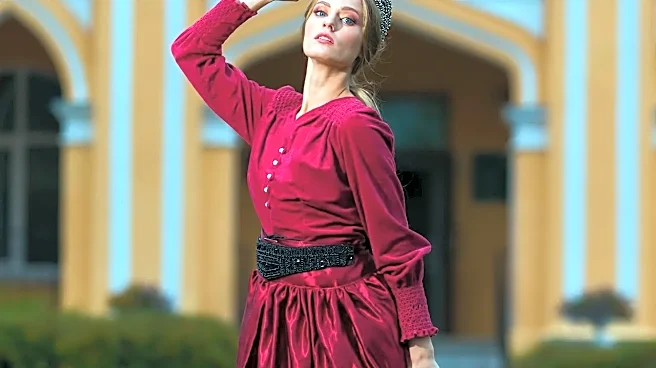
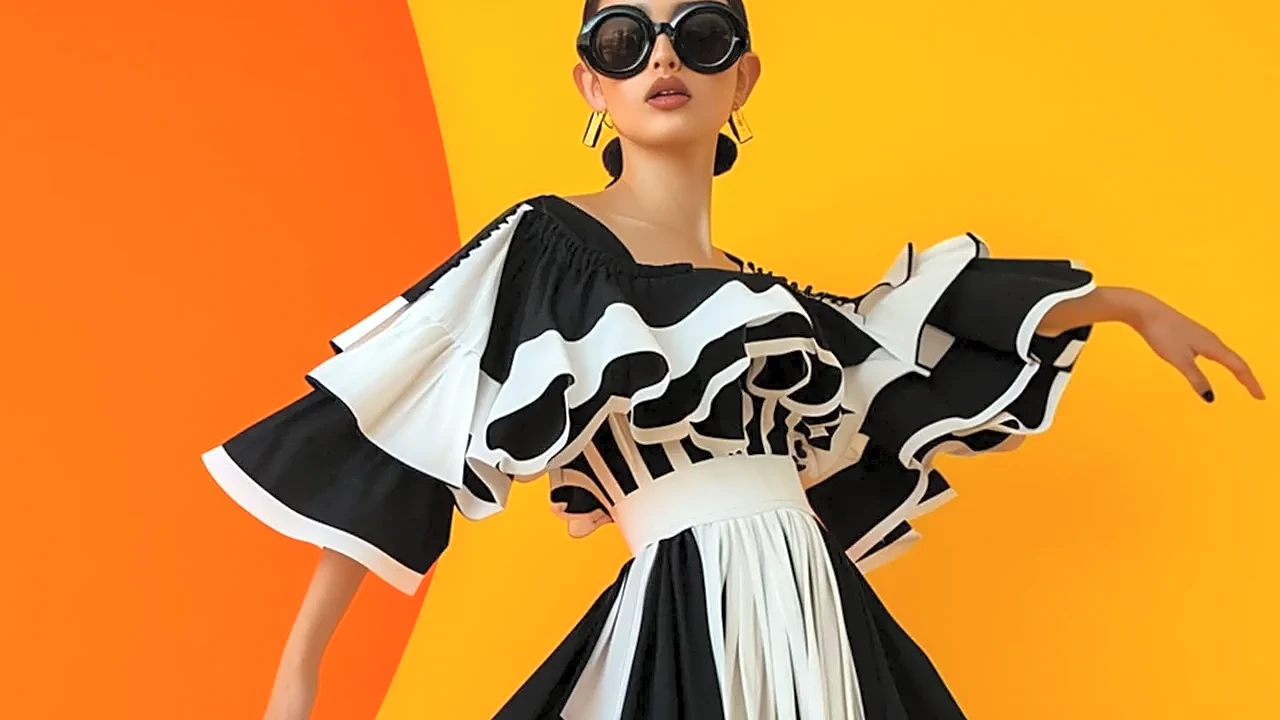
In times of social uncertainty or minimalist fatigue, fashion often leans into romance and fantasy. The puff sleeve, the bishop sleeve, and the bell sleeve all evoke a certain storybook quality. They call to mind fairy-tale princesses, bohemian artists, and free-spirited heroines. This romantic revival offers a form of escapism, a way to dress for a life more dramatic and poetic than our own. Recent runway collections for 2026 have been filled with these sculptural, billowy shapes, signaling a collective desire for clothing that feels joyful and expressive. After years of sleek, understated styles, the swing of a bell sleeve or the soft volume of a puff sleeve feels like a breath of fresh, romantic air.
The Modern Sleeve: Made for the Screen
Today's resurgence has a uniquely modern context: we live much of our lives on screen. In an age of video calls, selfies, and social media, the upper half of an outfit does most of the talking. A statement sleeve offers maximum visual impact from the waist up, instantly turning a simple top into a high-fashion look with minimal effort. Designers have responded by creating sleeves that are bold and architectural, perfect for making a digital impression. While a medieval noble wore impractical sleeves to show they didn't work, a modern professional might wear them for a different kind of performance—one that plays out in a rectangular frame on a laptop screen. The modern interpretation balances this drama with wearability, often using lighter fabrics or pairing voluminous sleeves with simple, sleek silhouettes to avoid overwhelming the wearer.