




A Victorian Fix for an Unsightly Problem
The origin of Wimbledon’s dress code is less about high fashion and more about Victorian-era propriety. When the tournament began in 1877, the sight of sweat was considered improper and uncouth, especially in mixed company at a garden party-like event.
White clothing, it was believed, made perspiration less visible than colored fabrics. This practical solution for maintaining decorum soon became the standard for the well-heeled players of the day, for whom wearing and maintaining pristine white clothes was also a subtle signal of wealth and status. While the notion of sweat being unsightly is long gone, the tradition became deeply embedded in the tournament's identity.
From Rule to Unmistakable Brand
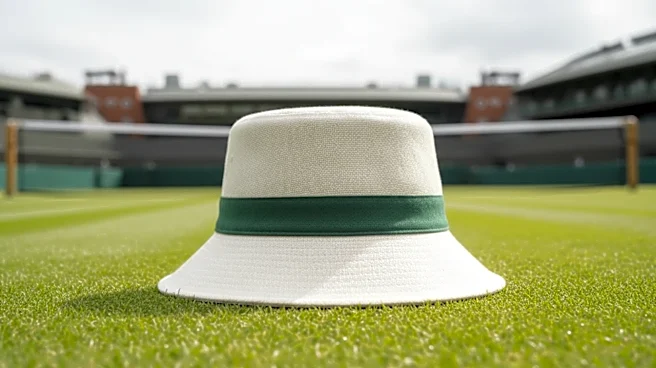
Over the decades, the 'tennis whites' rule evolved from a genteel suggestion to a core tenet of Wimbledon's brand. While other Grand Slams embraced the explosion of color that came with television, Wimbledon doubled down. The code was formally adopted in 1963 and made even stricter in 1995, shifting from "predominantly white" to "almost entirely white." Today, the rules are famously specific, dictating that even off-white and cream are unacceptable and that any colored trim cannot exceed one centimeter. This strictness creates a powerful and instantly recognizable visual identity. The sea of white against the green grass needs no logo; you immediately know you're watching Wimbledon. This visual purity is a form of branding that no amount of money could buy.
The Ralph Lauren Effect: Restriction as Opportunity
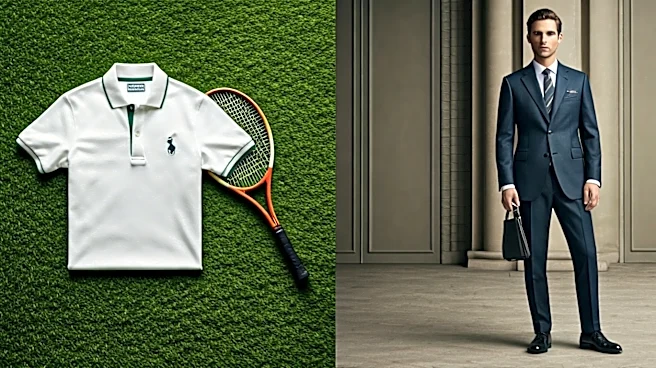
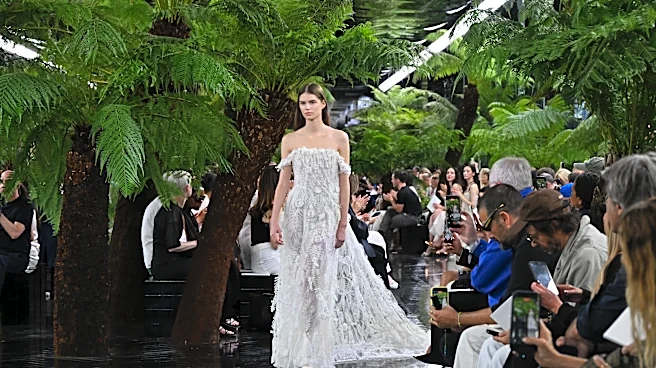
For a clothing sponsor, a rule that bans color might seem like a nightmare. But for Ralph Lauren, the official outfitter since 2006, the restriction has become a powerful creative and commercial asset. The brand is the first and only designer in Wimbledon's history to hold this title, outfitting everyone from umpires to ball kids and becoming woven into the very fabric of the event. Instead of fighting the code, Ralph Lauren leans into it, using the all-white canvas to focus on silhouette, material, and subtle detail. The partnership elevates both brands: Wimbledon provides a halo of prestige and heritage, while Ralph Lauren brings a touch of modern American luxury to the classic British setting. This is on full display with annual capsule collections and even a new, ultra-luxury Purple Label line for Wimbledon, turning the tournament into a sophisticated retail stage.
Innovating by Looking Back
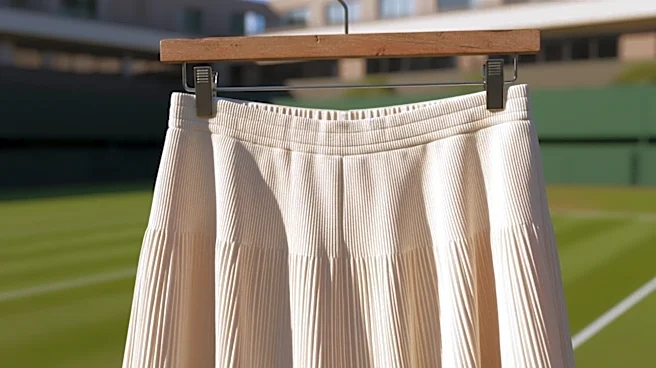
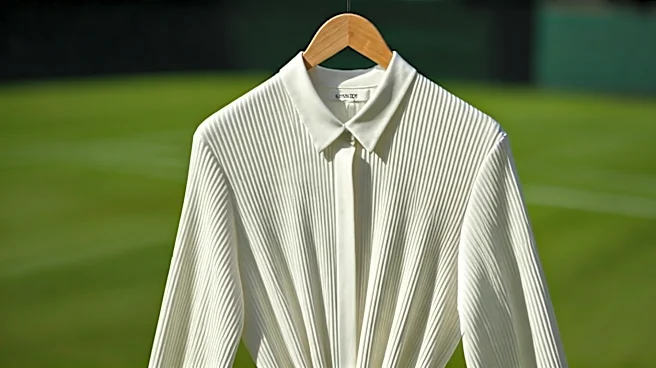
With color off the table, designers are forced to be more creative. This has led to a fascinating exploration of texture, cut, and history. The headline's nod to the "1950s archive" points to this trend. The 1950s were an era of cinched waists, elegant pleated skirts, and crisp collared shirts on the court, worn by players like Althea Gibson. Today's designers are raiding this aesthetic, reinterpreting these classic, more structured silhouettes for modern athletes. The pleated skort, for instance, is a direct descendant of this look, blending heritage with performance. By playing with different eras of 'white'—from the tailored shorts of the 1930s to the mini-dresses of the 1960s—designers can create distinction and individuality, proving that even within the strictest of rules, style always finds a way to serve an ace.