


The Anatomy of a 'Group of Death'
First, let’s define our terms. The “Group of Death” is a moniker bestowed upon a preliminary-round group in a multi-stage tournament that is unusually competitive. Typically, this means it contains more highly-ranked or historically powerful teams than
the number of available slots to advance to the knockout stage. In a standard four-team group where two teams advance, a Group of Death might feature three genuine heavyweights or two giants and an extremely dangerous, in-form underdog. The term itself was famously coined by Mexican journalists to describe Group 3 of the 1970 World Cup, which featured reigning champion England, eventual champion Brazil, a formidable Czechoslovakia, and Romania. The name stuck because it perfectly captures the high-stakes, zero-sum drama of tournament soccer.
Myth: The Toughest Group Is Clear from the Draw
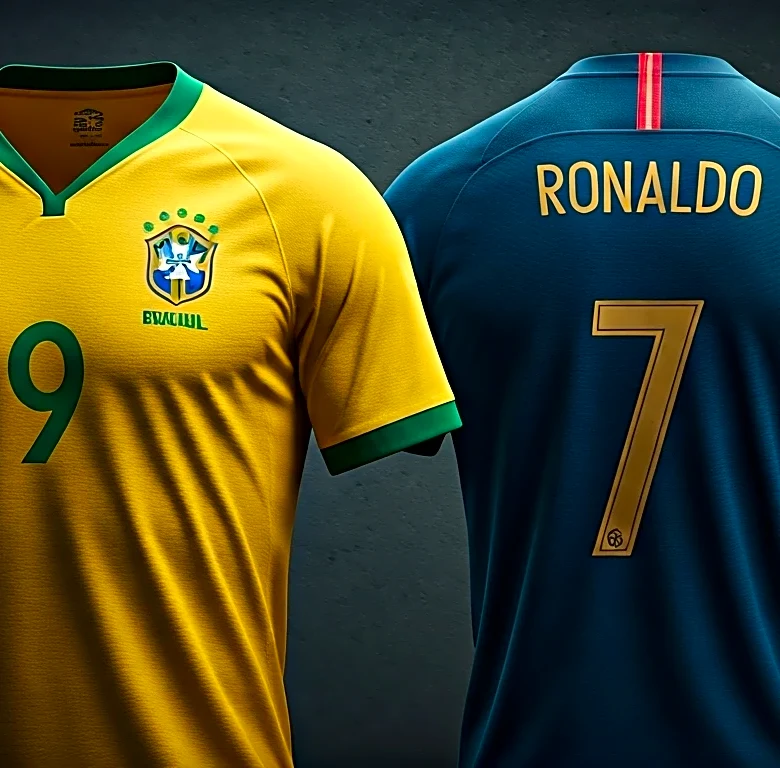
The common wisdom is that you can spot a Group of Death the moment the little balls are drawn from the pots. Pundits rush to their screens, fans take to social media, and a consensus quickly forms around one particularly stacked group. This consensus is usually built on a few key pillars: FIFA rankings, historical pedigree (past World Cup winners get extra weight), and the presence of global superstars. For the 2014 World Cup in Brazil, Group G was the immediate and unanimous choice. It featured Germany (the eventual champions), Portugal (with reigning Ballon d'Or winner Cristiano Ronaldo), a resilient United States, and Ghana, a team that had knocked the U.S. out of the previous two World Cups. On paper, it was a murderer’s row. The narrative was set: it would be a brutal, four-way battle for survival.
Fact: Pre-Tournament Hype Is a Poor Predictor
While that 2014 group was certainly tough, the “obvious” outcome didn’t materialize. The real drama wasn’t a four-way fight but a two-way struggle for second place. Germany dispatched Portugal with an emphatic 4-0 win in the opening match, effectively neutralizing much of the group’s anticipated tension. The real story became the United States’ ability to hold its own, advancing alongside Germany while a superstar-led Portugal crashed out on goal difference. This is a common pattern. The label creates an expectation of chaos and multiple upsets, but often one team establishes dominance early, or one of the supposed giants simply fails to show up. The pre-tournament analysis, based heavily on reputation, often misses the realities of form, team chemistry, and tactical matchups.
Fact: The Real 'Death' Comes from Unexpected Places
Conversely, the deadliest groups are often the ones nobody saw coming. These are the groups that don't look terrifying on paper but end up being a minefield for an unprepared favorite. Look no further than the 2010 World Cup. Defending champions Italy were drawn into what was widely considered one of the tournament’s softest groups alongside Paraguay, Slovakia, and New Zealand. It was seen as a guaranteed ticket to the knockout round for the Azzurri. Instead, it became their graveyard. Italy failed to win a single game, finishing dead last in the group after a humiliating 3-2 loss to Slovakia. No one called it a Group of Death beforehand, but for Italy (and fellow 2006 finalist France, who also finished bottom of their group), the tournament was a spectacular disaster. The true danger in a World Cup isn't always the group with three giants; it's the group with three competent, organized teams ready to punish a complacent one.
It's a Feeling, Not a Science
Ultimately, the “Group of Death” is more of a media and fan construct than a precise analytical tool. It’s a shorthand for excitement. The label is a fantastic way to build narratives and create appointment viewing early in a tournament that can sometimes feel like a slow burn. It gives us a focal point for debate and prediction. But we should treat it as such: a fun, dramatic framing device, not a prophecy. The beauty of tournament soccer lies in its unpredictability. Rankings are just numbers, and reputations mean nothing once the whistle blows. A team’s fate is decided by 90-minute increments, not by its perceived stature in a pre-tournament Power Ranking.